16
 298 847

United States,

СДЕЛАЙТЕ СВОИ УРОКИ ЕЩЁ ЭФФЕКТИВНЕЕ, А ЖИЗНЬ СВОБОДНЕЕ
Благодаря готовым учебным материалам для работы в классе и дистанционно
Скидки до 50 % на комплекты
только до
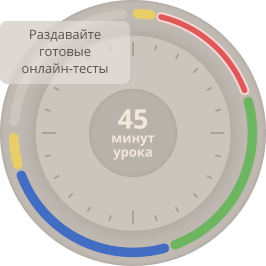
Готовые ключевые этапы урока всегда будут у вас под рукой
Организационный момент
Проверка знаний
Объяснение материала
Закрепление изученного
Итоги урока
Essential Features to Expect in Clock In Software for Employees

In today's fast-paced business environment, keeping track of employee hours with outdated methods like paper punch timesheets or manual cards can be time-consuming, error-prone, and ineffective. That's why more small and mid-sized businesses are turning to digital clock in software for employees—a smarter, more accurate way to manage time tracking.
Why Clock In Software for Employees Is a Smart Investment for Small Businesses
Investing in is one of the smartest decisions a small business can make to enhance efficiency and accountability. Rather than relying on outdated methods like handwritten timesheets or manual punch cards, modern clock in software offers real-time tracking, automated reporting, and seamless payroll integration.
This not only saves time but also minimizes errors and ensures labor law compliance. For business owners, it provides peace of mind knowing that every clock-in and clock-out is accurately recorded, while employees benefit from clear, transparent access to their hours and schedules. It's a win-win solution that supports productivity and builds trust across your team.
1. User-Friendly Interface
First and foremost, clock in software should be easy to use for both employees and managers. A clean, intuitive interface ensures that employees can clock in and out without confusion or the need for extensive training. This is especially important for businesses with a mix of tech-savvy and less tech-savvy staff.
An effective solution will offer a dashboard that's easy to navigate, with clear buttons for clocking in/out, viewing hours worked, and managing schedules. Mobile responsiveness is also key—employees should be able to use the software just as easily on a smartphone or tablet as they would on a desktop.
2. Accurate Time Tracking
Accurate time tracking is the backbone of any clock in system. Look for software that tracks time down to the minute, logs exact clock-in/clock-out times, and records breaks or lunch periods. This precision not only ensures fair pay for employees but also reduces the risk of disputes or labor violations.
A high-quality clock in system will also automatically calculate total hours worked per day, week, or pay period, giving managers a reliable snapshot of team productivity and payroll needs.
3. Mobile App with GPS Tracking
In today's increasingly mobile workforce, a mobile time clock with GPS tracking is an essential feature. This is especially valuable for field service workers, delivery drivers, construction crews, or any team that works offsite.
With GPS tracking, employers can verify that employees are where they say they are when they clock in or out. This builds trust, prevents time theft, and provides added accountability—without being invasive.
Advanced systems also include geofencing, which restricts clock-ins and clock-outs to a defined physical area, such as a job site or office. This ensures that employees can only log time when they're actually present at work.
4. PTO and Sick Leave Management
Managing paid time off (PTO), sick leave, and vacation days can quickly become complicated without the right tools. The best clock in software includes built-in PTO tracking and request features.
Employees should be able to view their PTO balance and submit time-off requests directly from the platform. Employers or managers can then approve or deny requests with a few clicks. The software should also allow for customizable accrual rules—such as earning PTO by hours worked, monthly, or annually.
With automated tracking and clear visibility, PTO management becomes more transparent and less prone to errors.
5. Employee Scheduling
Integrated employee scheduling tools are another important feature to expect in high-quality clock in software. Being able to create, publish, and edit schedules from within the same platform streamlines communication and reduces scheduling conflicts.
Look for software that allows you to assign shifts, set recurring schedules, and notify employees of changes via email or mobile notifications. Bonus features like shift swapping, availability management, and break tracking can also improve flexibility and employee satisfaction.
6. Overtime Calculation and Labor Law Compliance
Small businesses need to stay compliant with local and federal labor laws, especially when it comes to overtime rules and wage calculations. Your clock in software should automatically track regular and overtime hours and apply custom rules based on your region or company policy.
The system should also keep detailed logs of time entries, which can be useful in the event of a labor dispute or audit. Having an accurate digital paper trail helps ensure compliance and can protect your business from costly penalties.
7. Payroll Integration
A good time tracking system saves time not just in managing hours, but also when it's time to run payroll. Payroll integration is a must-have feature for any business that wants to eliminate manual data entry and reduce payroll errors.
Choose a clock in software that integrates with major payroll providers like QuickBooks, ADP, Gusto, or Paychex. With a single click, you should be able to export employee hours directly into your payroll system, streamlining the entire payroll process from start to finish.
8. Cloud-Based Access
Flexibility and accessibility are critical, especially for small businesses with hybrid or remote teams. Cloud-based clock in software allows employees and managers to access the system from any internet-connected device, whether they're working from home, traveling, or on the job site.
This ensures real-time syncing of data, so managers always have up-to-date information on attendance, hours worked, and scheduling. No more waiting until the end of the week to catch issues—cloud-based access enables proactive management.
9. Real-Time Notifications and Alerts
Effective communication can prevent a lot of small issues from becoming big problems. Look for clock in software that offers real-time alerts and notifications, such as when an employee forgets to clock in, misses a scheduled shift, or is approaching overtime.
These alerts help managers stay on top of attendance issues, minimize payroll surprises, and address problems before they escalate. Notifications can be sent via email, push alerts, or in-app messages, depending on your preferences.
10. Data Security and Audit Trails
When handling sensitive employee data like work hours, PTO balances, and pay rates, security is non-negotiable. Your clock in software should use encrypted connections, secure cloud storage, and regular backups to protect your business and your employees.
Additionally, the software should keep audit trails that log changes to time entries, showing who made the change, when it was made, and what was modified. This promotes transparency and accountability, ensuring that your records are accurate and legally defensible.
Final Thoughts
Choosing the right clock in software for employees is a decision that can greatly impact your business's efficiency, compliance, and employee satisfaction. By looking for essential features like GPS tracking, mobile access, PTO management, and payroll integration, you're not just buying software—you're investing in a smoother, smarter way to manage your workforce.
Категория:
Прочее
27.06.2025 22:21



Вебинар для учителей
🎓 Свидетельство об участии ✨БЕСПЛАТНО!✨