




© 2020, Ануфриева Людмила Георгиевна 350 0


СДЕЛАЙТЕ СВОИ УРОКИ ЕЩЁ ЭФФЕКТИВНЕЕ, А ЖИЗНЬ СВОБОДНЕЕ
Благодаря готовым учебным материалам для работы в классе и дистанционно
Скидки до 50 % на комплекты
только до
Готовые ключевые этапы урока всегда будут у вас под рукой
Организационный момент
Проверка знаний
Объяснение материала
Закрепление изученного
Итоги урока

Была в сети 10.04.2021 17:04

Ануфриева Людмила Георгиевна
учитель английского языка
 6 384
 9 669

Творческий проект Baikal
Категория:
Английский язык
21.01.2020 11:18

Просмотр содержимого документа
«Творческий проект Baikal»
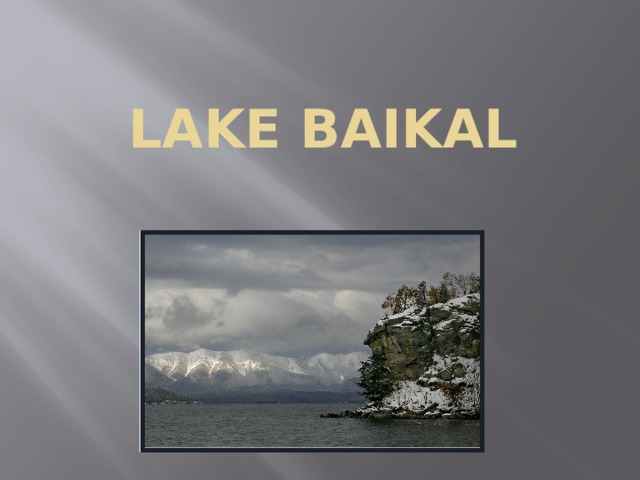
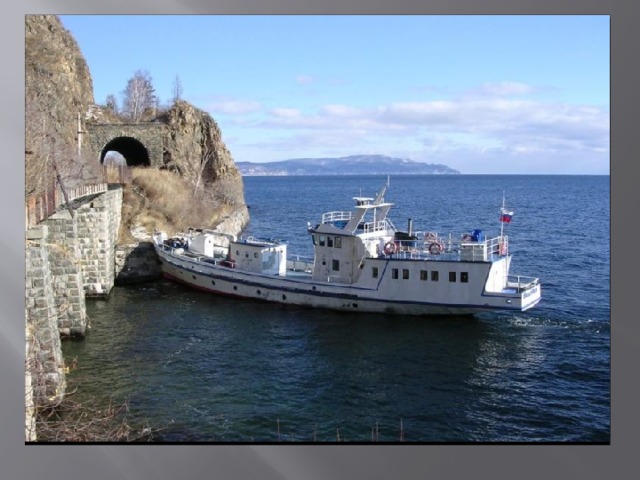
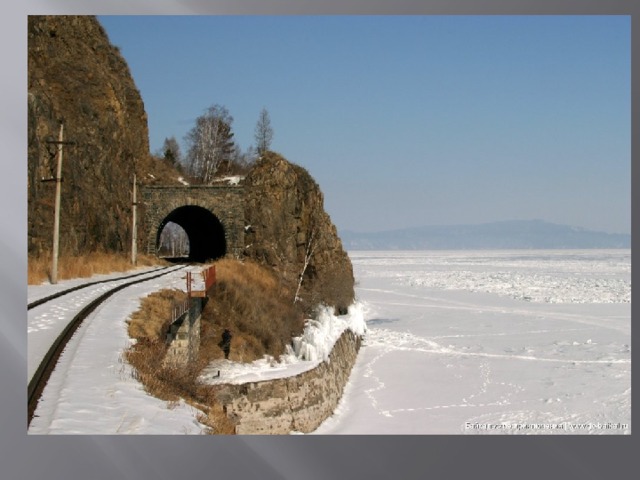
Lake Baikal
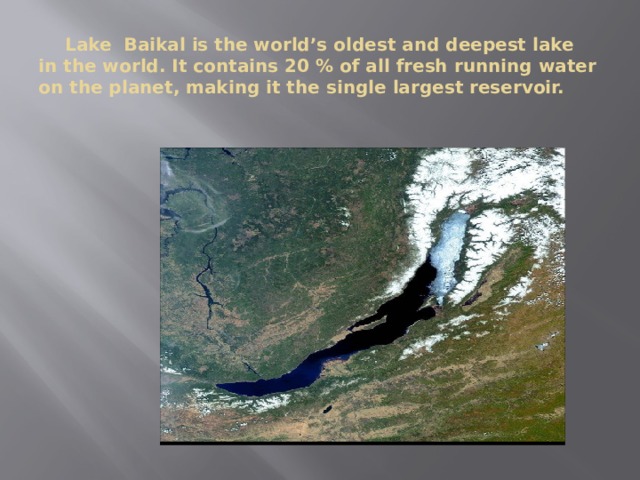
Lake Baikal is the world’s oldest and deepest lake in the world. It contains 20 % of all fresh running water on the planet, making it the single largest reservoir.
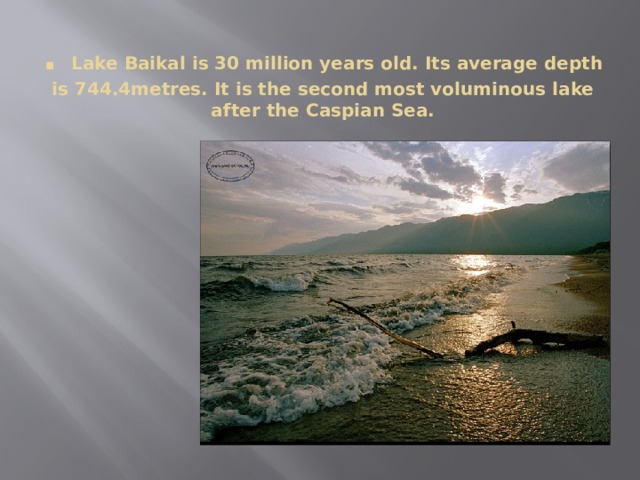
. Lake Baikal is 30 million years old. Its average depth is 744.4metres. It is the second most voluminous lake after the Caspian Sea.
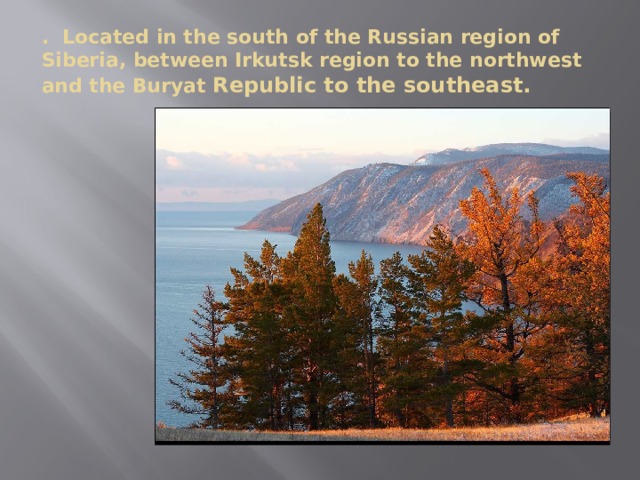
. Located in the south of the Russian region of Siberia, between Irkutsk region to the northwest and the Buryat Republic to the southeast.
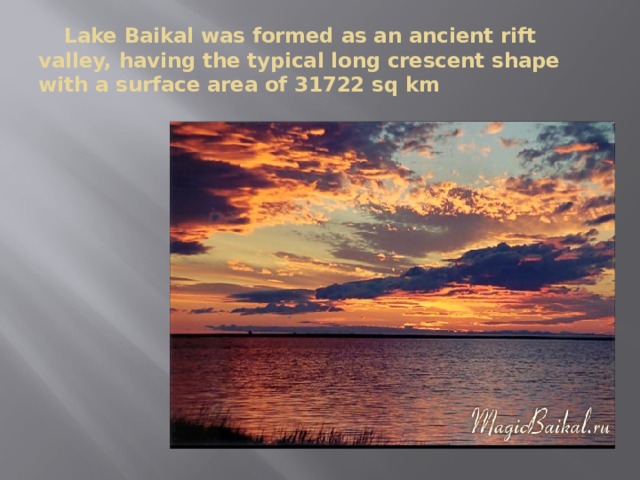
Lake Baikal was formed as an ancient rift valley, having the typical long crescent shape with a surface area of 31722 sq km
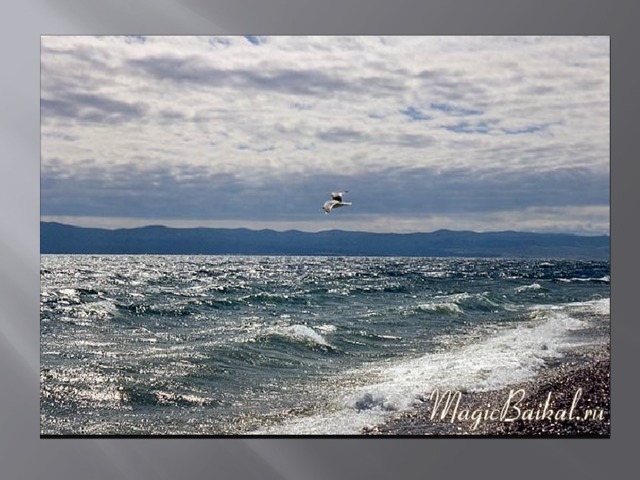
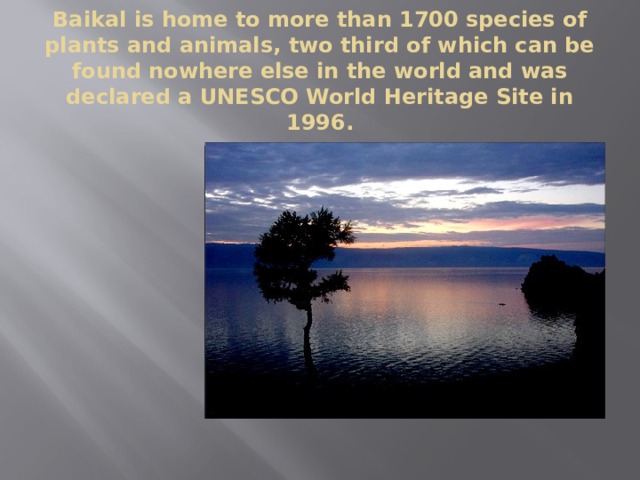
Baikal is home to more than 1700 species of plants and animals, two third of which can be found nowhere else in the world and was declared a UNESCO World Heritage Site in 1996.
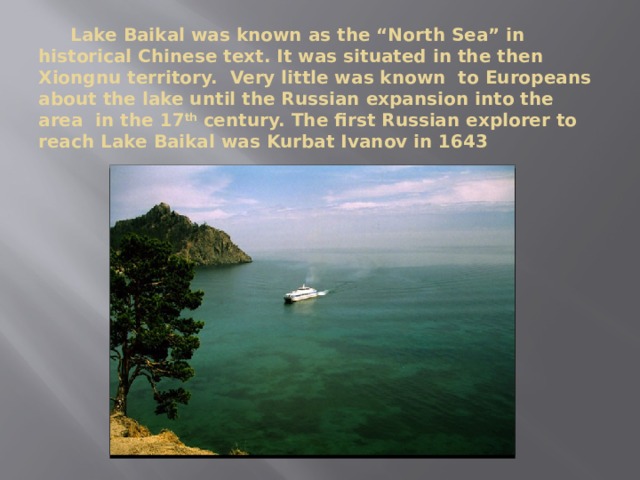
Lake Baikal was known as the “North Sea” in historical Chinese text. It was situated in the then Xiongnu territory. Very little was known to Europeans about the lake until the Russian expansion into the area in the 17 th century. The first Russian explorer to reach Lake Baikal was Kurbat Ivanov in 1643
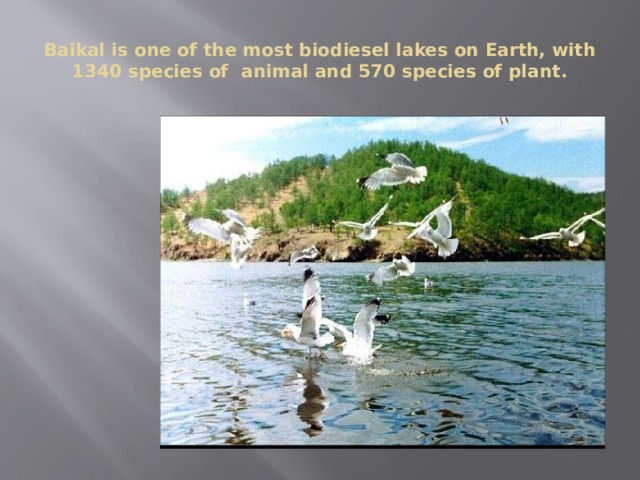
Baikal is one of the most biodiesel lakes on Earth, with 1340 species of animal and 570 species of plant.
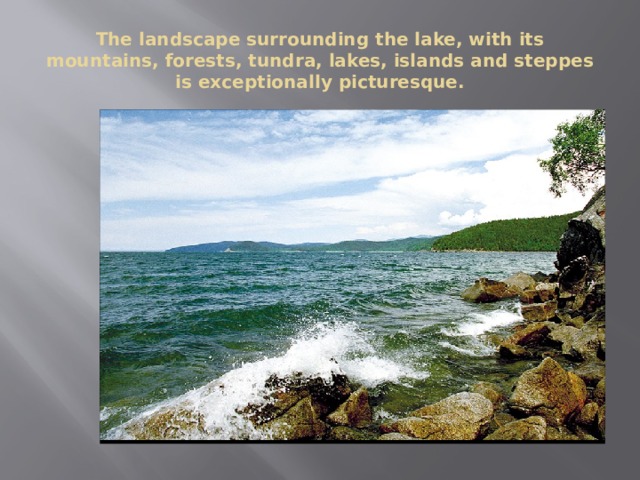
The landscape surrounding the lake, with its mountains, forests, tundra, lakes, islands and steppes is exceptionally picturesque.
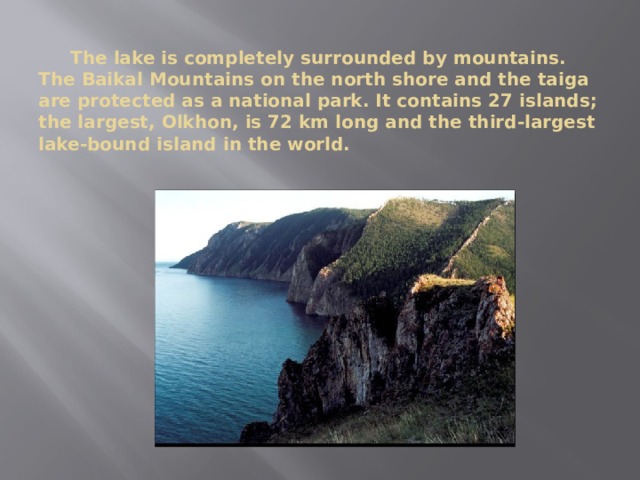
The lake is completely surrounded by mountains. The Baikal Mountains on the north shore and the taiga are protected as a national park. It contains 27 islands; the largest, Olkhon, is 72 km long and the third-largest lake-bound island in the world.
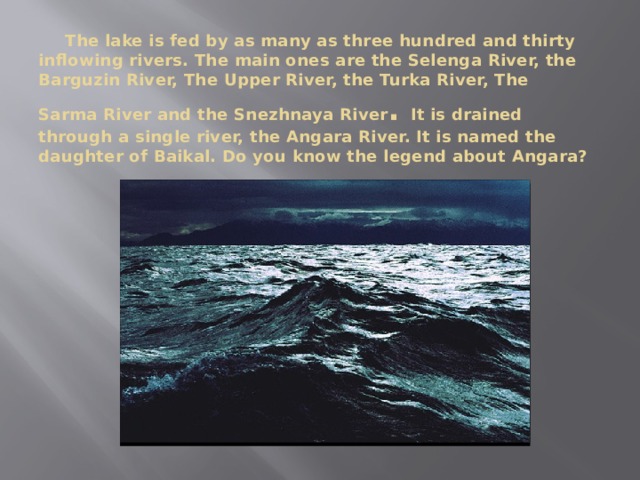
The lake is fed by as many as three hundred and thirty inflowing rivers. The main ones are the Selenga River, the Barguzin River, The Upper River, the Turka River, The Sarma River and the Snezhnaya River . It is drained through a single river, the Angara River. It is named the daughter of Baikal. Do you know the legend about Angara?
Комплекты видеоуроков для учителей
Вебинар для учителей

🎓 Свидетельство об участии ✨БЕСПЛАТНО!✨



