Россия, Курск


СДЕЛАЙТЕ СВОИ УРОКИ ЕЩЁ ЭФФЕКТИВНЕЕ, А ЖИЗНЬ СВОБОДНЕЕ
Благодаря готовым учебным материалам для работы в классе и дистанционно
Скидки до 50 % на комплекты
только до
Готовые ключевые этапы урока всегда будут у вас под рукой
Организационный момент
Проверка знаний
Объяснение материала
Закрепление изученного
Итоги урока

Была в сети 26.01.2026 21:35

Картавцева Ольга Александровна
учитель английского языка
 5 353
 12 038

Местоположение
Специализация
План урока "May our memory not be interrupted!"
Категория:
Английский язык
04.05.2020 18:27

Просмотр содержимого документа
«План урока "May our memory not be interrupted!"»
Урок Победы в 6 классе
Учитель: Картацева Ольга Александровна
Тема: "May our memory not be interrupted!"
Цель урока: Сохранить память о победе в Великой Отечественной Войне (далее ВОВ)
Задачи урока:
Образовательные:
Ввести и активировать тематическую лексику по теме «ВОВ»
Научить образовывать формы слов и слова двух частей речи, развивая словообразовательные навыки учащихся.
Обобщить грамматический материал по словообразованию.
Развивающие:
Мотивировать учащихся на дальнейшую работу по теме
Развить языковую догадку, мышление, память
Воспитательные:
Сформировать учебно-познавательный интерес к учебному предмету
Воспитать чувство патриотизма, гражданственности и нравственности подрастающего поколения.
Ход урока
Организационный момент. (1 мин)
T: Hello, boys and girls! How are you?
S: Hello, teacher! We are fine, thank you.
T: I’m glad to see you.
S: We are glad to see you too.
Постановка проблемной ситуации с элементами речевой зарядки. (5 мин)
Знакомство с темой урока. Прежде чем озвучить тему учитель предлагает ученикам посмотреть на книгу «Victory will be ours» и сказать о своих предположениях по поводу темы урока.
T: Look! I have a book, it’s called «Victory will be ours». I read it when I was the same age as you are now. I was impressed by it. Now it will help us name the theme of the lesson. What do you think we are going to talk about today?
S1: I think we are going to talk about the war.
T: What war are we going to talk about?
S2: The Great Patriotic War (or World War II)
T: Well done. I have many associations with the word “war”. For example, June 22nd, 1941, 1945, German invasion, front, tragedy.
Do you have any associations? (учащиеся могут пользоваться списком сов на сайде презентации)
S1: the Red Army, enemy
S2: victory, May 9th
T: So, our lesson is devoted to The Great Patriotic War.
Since that war 75 years have passed. We have to remember about that war. Look through the list of the reasons why we have to. Choose the most suitable for you. (Appendix 1)
S1: We shouldn't forget about the national feat.
S2: We love our motherland.
S3: We want to live in peace.
T: You’re right. There are many reasons why we have to remember about that war and you can add this list. But I think, there is one which is the first and we can use it as the topic of our lesson. We may our memory not be interrupted.
I suggest the topic of the lesson be called "May our memory not be interrupted!"
Do you agree with me?
S: We do.
T: First of all, we should remember the Great Patriotic War because we're its grandchildren and great-grandchildren.
In the lesson we are going to learn and form new words, remember the heroes’ names, find information in the text and express our opinions.
Введение и первичный контроль сформированности навыка по теме «Словообразование» (12 мин)
Учитель предлагает заполнить таблицу словами в зависимости от их части речи (без перевода), используя таблицу словообразования. (Appendix 2)
T: Let’s start with the words and word combinations connected to the Great Patriotic War. Fill the words in the table without translating. Use the suffixes of the nouns, adjectives, Participle I and Participle II in the table below. (Appendix2)
You have 2 minutes. Work in pairs.
invasion invading/invaded occupying/occupied defensive honour honour starving/starved sacrifice sacrificial memorize memorial
| Nouns | Adjectives/ParticipleI/ParticipleII | Verbs |
|
|
|
|
|
|
|
|
|
|
|
|
|
|
|
|
|
|
|
|
|
|
|
|
|
|
|
|
T: Let’s check.
| Nouns | Adjectives/ParticipleI/ParticipleII | Verbs |
| invasion | invading/invaded |
|
|
| occupying/occupied |
|
|
| defensive |
|
| honour |
| honour |
|
| starving/starved |
|
| sacrifice | sacrificial |
|
|
|
| memorize |
|
| memorial |
|
Ученики сверяются с таблицей, читают части речи. Если есть ошибки, учитель и ученики находят и объясняют ошибки, пользуясь таблицей в Appendix 2.
T: Read the nouns, please.
S1: invasion, honour, sacrifice
T: If you have mistakes, look at the table “Word formation”. Find the suffixing and conversion. In suffixing we use noun suffixe –sion (invasion) and in conversion we don’t change the word (honour, sacrifice)
T: Read the adjectives, please.
S2: defensive, honourable, sacrificial, memorial
T: Look at adjective suffixes -al,-able,-ive. Read the PI and PII, please.
S3: invading/invaded, occupying/occupied, starving/starved
T: What are the suffixes for participle I? participle II?
S4:–ing
S5: –ed
T: Read the verbs, please.
S6: honour (conversion), memorize (suffixe –ize)
Ведение и первичная активизация лексического материала по теме (5 мин)
Для запоминания новых слов учащиеся выполняют упражнение, где нужно заполнить пропуски в предложениях словами из заполненной таблицы. Задание выполняется по двум вариантам и проверяется по слайду презентации.
Card1(Variant 1). Complete the senesces with the words:
invasion, memorize, invaded, defensive, honor, sacrificed
The …. began with the bombing of the Brest Fortress.
The enemy…. suddenly.
Our army is conducting a … battle.
We must … our veterans.
We have to … the feat of our heroes.
Our great-grandfathers … themselves for our happy life.
Card2(Variant 2). Complete the senesces with the words:
invading, memorial, occupied, starved, honor, sacrificial
The … enemy was defeated. (invading)
The city was ….for two days. (occupied)
A monument was created in … of our heroes. (honor)
During the war people … a lot. (starved)
The fight was … (sacrificial)
May 9th we go to the Victory… ( memorial)
Обучение поисковому чтению с элементами монологической речи посредством выражения личного мнения (5 мин)
Учитель вспоминает о героях войны, обращая внимание учащихся на, то, что в войне принимали участие не только взрослые, но и дети, которые не пожали отдать свои жизни за Родину. Учитель интересуется, знают и ученики детей-героев войны.
T: We honour the memory of heroes. They were brave men, women and even children. Like adults, children defended our Homeland, sacrificing their own lives. Have you ever heard their names?
S1: Lenya Golikov
S2: Volodya Dubinin
S3: Zoya Kozmodemyanskaya
Учитель предлагает прочитать текст о девочке-партизанке Ларисе Михеенко из повести Н. Надеждиной, чтобы сформировать мнение учеников о том, почему они считают её героем, используя словосочетания, выражающие личное мнение из Appendix 3.
T: The main character of the story is a 12 year-old girl Larisa Mikheenko, a hero posthumously awarded the Order of the Patriotic War (I class).
Let’s read the text about her to answer the question: Why do you think Larisa Mikheenko is a hero? What’s her feat? You have 1 minute to read it quickly.
Use the word combinations expressing your opinion (Appendix 3)
Read the text about Larisa Mikheenko to answer the question: “Why do you think Larisa Mikheenko is a hero? What’s her feat?”
Use:
I think …
In my opinion, …
It seems to me, …
From my point of view, …
I guess … (Я предполагаю)
As far as I can see, … (Насколько я знаю)
As far as I’m concerned, …(Насколько я могу судить)
Larisa Mikheenko was born in the Leningrad region, in the village of Lakhta. She lived alone with her mother. Her father died during the Soviet-Finnish war.
In June 1941, Lara and her grandmother went on a summer vacation to her uncle Larion in the village of Pechenevo, the Pustoshkinsky district.
By the end of the summer, the Pustoshkinsky district was under German occupation. The uncle helped fascists. They were betrayed by him. He sent his mother and niece Lara to live in the bathhouse. Lara didn't leave her grandmother. They were starving.
In 1943 Larisa Mikheenko and her friend Raya joined the partisan detachment. She took an active part in the "rail war", where she undermined railway tracks, bridges, enemy trains.
Lara was shot in the village of Pustoshka on November 5, 1943. The Soviet government posthumously awarded the Leningrad pioneer the Order of the Patriotic War (I class) and gave her name to the ship.
Примерные ответы учеников:
S1: It seems to me, she is a hero because she didn't leave her grandmother though they were starving.
S2: In my opinion, she is a hero because she took an active part in the "rail war", where she undermined railway tracks, bridges, enemy trains.
S3: It seems to me, she is a hero because she was only 12 years old.
Etc.
T: Well done. Nowadays, it’s difficult to imagine how Lara and the other children were heroic.
Подведение итогов урока. Рефлексия. (7 мин)
Учитель напоминает о 75 годовщине со Дня Победы в ВОВ, вспоминает с учениками о символах этого праздника. Ученики соотносят слова с картинками и добавляют их в предложения.
T: This year we are going to celebrate the 75th anniversary of the Great Patriotic War. Victory Day is a special day in Russia. Do you like this holiday?
S1: Yes, I do.
T: Is Victory Day one of your favourite family holidays?
S2: Yes, it is.
T: Our memory is in its symbols. Do you know its symbols? Let’s match them to the pictures.
Red Star medal St. George ribbon Red carnations


Complete the sentences using these words. Read and translate:
When I have this black-and-yellow … on my clothes, I show a sign of respect and remembrance.
When I give …. to the veterans, I am grateful for their courage and our peaceful time. When I lay … at war memorial sites, I remember soldiers’ feats.
When we see …, we know that it is a military distinction for bravery.
Учитель подводит итоги урока и предлагает ученикам дополнить предложения о том, что они сейчас понимают и, что умеют.
T: Was our today’s lesson useful for you?
S1: Yes, it was.
T: At the end of the lesson I suggest you to complete these sentences.
Now I see …
Now I can …
Now I want …
S1: Now I see what is a war
S2: Now I can form new words.
S3: Now I want to thank veterans and heroes for their courage.
T: As for me,
Now I see you are grandchildren of great Victory.
Now I can be proud of you.
Now I want to thank you for the lesson.
Now stand up. The lesson is over. Goodbye.
Appendix 1
Look through the list of reasons. Find the most suitable for you:
We shouldn’t forget about the national feat.
We should remember that war is starvation and death.
We should know that war is wicked.
We are proud of our ancestors’ Victory.
We are grandchildren of Victory.
We honour the memory of fallen soldiers.
We want to live in peace.
We will tell our children about its heroes.
We learn the courage of brave soldiers.
Appendix 2
Word formation. Словообразование.
Suffixing. Суффиксация
| Nouns/Существительные | |||
| -ance, -ation, -sion | important (важный) - importance (важность)
hesitate (колебаться) - hesitation (сомнение, колебание)
odecide (рещать) - decision (решение) | ||
| -ery | bake (печь) - bakery (булочная) | ||
| Adjectives/Прилагательные | |||
| -ive | to act (действовать) — active (активный) | ||
| -al | continent (континент)— continental (континентальный) | ||
| -able (-ible) | to eat (есть,кушать) - eatable (съедобный) | ||
| Participle I (Причастие I настоящего времени) | |||
| -ing | participate (участвовать) –participating (участвующий) | ||
| Participle II (Причастие II прошедшего времени) | |||
| -ed | participate (участвовать) –participated (поучаствовавший) | ||
| Verb (Глагол) | |||
| -ise, -ize: обычно образует глаголы от существительных | realize (осуществлять) patronise (покровительствовать) | ||
Conversion. Конверсия.
| Verb (Глагол) Noun (существительное) | ||
| to fight (бороться) | fight (борьба) | |
| to attack (атаковать) | attack (атака) | |
| Noun (Существительное) verb (глагол) | ||
| hope (надежда) | to hope (надеяться) | |
| trip (путешествие) | to trip (отправляться в путешествие) | |
| Adjective (Прилагательное) Noun (существительное) | ||
| calm (спокойный) | calm (спокойствие) | |
Appendix 2
Read the text about Larisa Mikheenko to answer the question: “Why do you think Larisa Mikheenko is a hero? What’s her feat?”
Use:
I think …
In my opinion, …
It seems to me, …
From my point of view, …
I guess … (Я предполагаю)
Larisa Mikheenko was born in the Leningrad region, in the village of Lakhta. She lived alone with her mother. Her father died during the Soviet-Finnish war.
In June 1941, Lara and her grandmother went on a summer vacation to her uncle Larion in the village of Pechenevo, the Pustoshkinsky district.
By the end of the summer, the Pustoshkinsky district was under German occupation. The uncle helped fascists. They were betrayed by him. He sent his mother and niece Lara to live in the bathhouse. Lara didn't leave her grandmother. They were starving.
In 1943 Larisa Mikheenko and her friend Raya joined the partisan detachment. She took an active part in the "rail war", where she undermined railway tracks, bridges, enemy trains.
Lara was shot in the village of Pustoshka on November 5, 1943. The Soviet government posthumously awarded the Leningrad pioneer the Order of the Patriotic War (I class) and gave her name to the ship.
Vocabulary:
occupation [ɒkjʊˈpeɪʃn] сущ - оккупация, захват, завоевание
fascist [ˈfæʃɪst] сущ - фашист, нацист
betray [bɪˈtreɪ] гл.- предавать
detachment [dɪˈtæʧmənt] сущ – отряд, дружина
undermine [ʌndəˈmaɪn] гл - подрывать, минировать, разрушать
railway tracks [ˈreɪlweɪ træks] сущ- железнодорожные пути
enemy [ˈenəmɪ] прил - вражескиq
shoot [ʃuːt] гл shot, shot
posthumously [ˈpɒstjʊməslɪ] нареч, прил – посмертно,посмертный


Вебинар для учителей
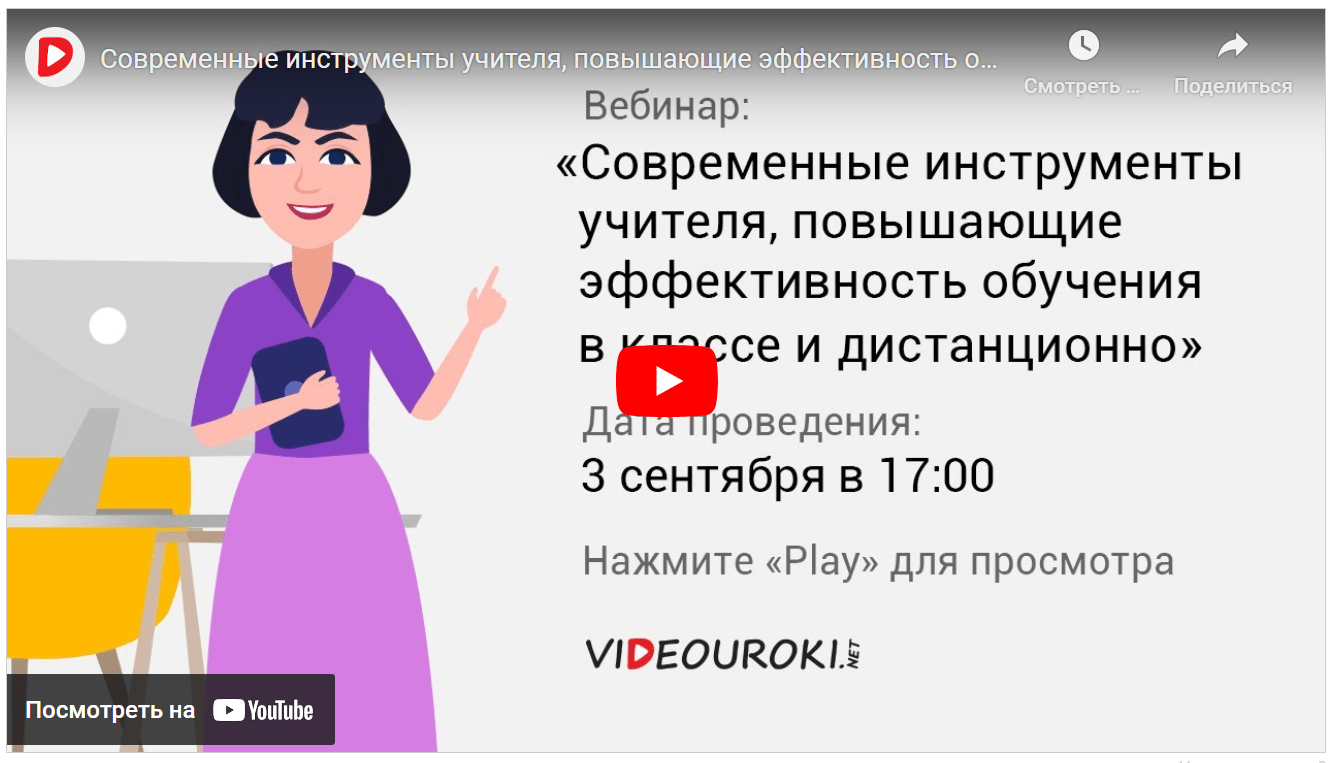
🎓 Свидетельство об участии ✨БЕСПЛАТНО!✨