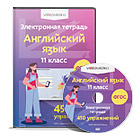
СДЕЛАЙТЕ СВОИ УРОКИ ЕЩЁ ЭФФЕКТИВНЕЕ, А ЖИЗНЬ СВОБОДНЕЕ

Благодаря готовым учебным материалам для работы в классе и дистанционно

Скидки до 50 % на комплекты
только до

Готовые ключевые этапы урока всегда будут у вас под рукой

Организационный момент

Проверка знаний

Объяснение материала

Закрепление изученного

Итоги урока

Настоящее простое время

Нажмите, чтобы узнать подробности

Настоящее простое время в английском языке.

Просмотр содержимого документа
«настоящее простое время»


PRESENT SIMPLE


Настоящее
Простое время


We use the present simple to talk about things in general. We use it to say that something happens all the time or repeatedly, or that something is true in general:

1)Nurses look after sick people in hospitals.

2) HE usually goes away at weekends.

3) The earth goes round the sun.

4) The restaurant opens at 7.30 in the morning.

We say:

I work but he works

you go but it goes

they teach but my sister teaches

I have but he has

the present simple: I/we/you/they drive/work/do etc.

he/she/it drives/works/does

etc.

We use do/does to make questions and negative sentences: do I/we/you/they

does he/she/it work? drive?

I/we/you/they do not

he/she/it doesn’t work eat

DO I come from Russia

Where do you come from?

I don’t go away often.

What does this word mean? (not What means this word?) Rice doesn’t grow in cold climates

. In the following examples, do is also the main verb (do you do / doesn’t do etc.): ‘What do you do?’ ‘I work in a shop.’ He’s always so lazy. He doesn’t do anything to help.

We use the present simple to say how often we do things: I get up at 8 o’clock every morning.

How often do you go to the GYM?

Sandra doesn’t drink tea very often

David usually goes away two or three times a year

I promise / I apologise etc. Sometimes we do things by saying something For example, when you promise to do something, you can say ‘I promise … ’; when you suggest something, you can say ‘I suggest … ’: I promise I won’t be late. (not I’m promising) ‘What do you suggest I do?’ ‘I suggest that you …’ In the same way we say: I apologise … / I advise … / I insist … / I agree … / I refuse … et


Дагестан


8 960 411 88 09