Россия,


СДЕЛАЙТЕ СВОИ УРОКИ ЕЩЁ ЭФФЕКТИВНЕЕ, А ЖИЗНЬ СВОБОДНЕЕ
Благодаря готовым учебным материалам для работы в классе и дистанционно
Скидки до 50 % на комплекты
только до
Готовые ключевые этапы урока всегда будут у вас под рукой
Организационный момент
Проверка знаний
Объяснение материала
Закрепление изученного
Итоги урока

Была в сети 25.10.2026 20:47

Пащенкова Г. А.
учитель английского языка
 2 708
 26 831

Местоположение
Специализация
Modals - 10 (повторение)
Категория:
Английский язык
24.08.2026 10:53

Просмотр содержимого документа
«Modals - 10 (повторение)»

Spotlight 10 Module 4 c Grammar in Use Modal verbs Phrasal verb Run

1). Check your Home task Ex.7, p.67 2). Dictation

Modals
can/could
should
may/might
must/have to
ought
need

Это тип глаголов , которые определяют вероятность, возможность, способность или необходимость совершения действия.
Например: You should call her immediately. — Тебе следует немедленно позвонить ей.
Не меняются в зависимости от лица и времени действия . Вопросительная форма не требует вспомогательных глаголов , а в отрицательной добавляется частичка not .
Например:
Can you call me later? — Ты можешь позвонить мне позже?
I cannot answer the phone right now. — Прямо сейчас я не могу ответить на звонок.

Can/Could
Can
Can you help me today?
- possibility
- ability
- permission
- request
Can you speak Chinese?
Could
I can drive a car.
- past possibility, ability
- asking for permission
- request
You can go.
She can play the drums when all neighbours are away.
Could you pass me some sugar?
She could read when she was five years old.

May/Might
You may leave your bag here until the classes are over.
May I borrow your notebook?
They may know it, but I am really not sure.
They might know it, but they were out of town.
May
- request
- permission
- possibility
Might
- possibility (higher degree of doubt)
- polite suggestion

Should/Ought to
You should tell me the truth before it’s too late.
You ought to ring Kim, she is ill.
You ought to keep children under control.
You ought to practice more to enter the university.
Should
- suggestion, advice
Ought to
- moral obligation denoting a duty, advice or a reasonable action

Must/Mustn’t
Must
You must stay in bed until the temperature gets down.
- obligation imposed by the speaker / logical assumption
- assumption
Mustn’t
This must be Kate.
- Prohibition
- recommendation
You must not swim in this river alone.
You mustn’t eat so much sugar.

Must/Have to

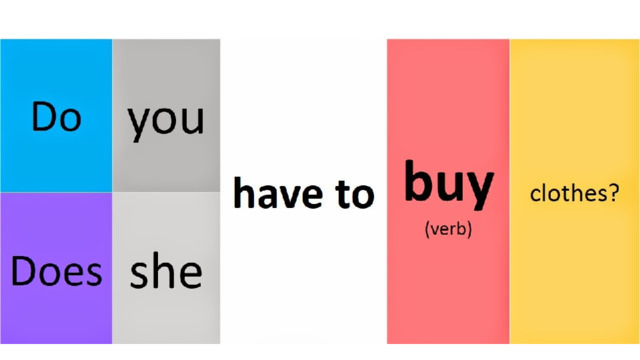

Need
- В качестве модального глагола используется, чтобы спросить или дать разрешение. Как правило, его используют лишь в отрицательных и вопросительных предложениях.
— Need I speak to him right now?
— Yes, you must /No, you needn’t.

Ex.1, p.68
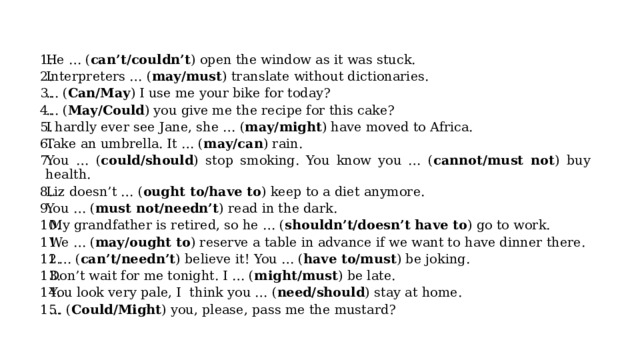
Task 1 Choose the correct word.
- He … ( can’t/couldn’t ) open the window as it was stuck.
- Interpreters … ( may/must ) translate without dictionaries.
- … ( Can/May ) I use me your bike for today?
- … ( May/Could ) you give me the recipe for this cake?
- I hardly ever see Jane, she … ( may/might ) have moved to Africa.
- Take an umbrella. It … ( may/can ) rain.
- You … ( could/should ) stop smoking. You know you … ( cannot/must not ) buy health.
- Liz doesn’t … ( ought to/have to ) keep to a diet anymore.
- You … ( must not/needn’t ) read in the dark.
- My grandfather is retired, so he … ( shouldn’t/doesn’t have to ) go to work.
- We … ( may/ought to ) reserve a table in advance if we want to have dinner there.
- I … ( can’t/needn’t ) believe it! You … ( have to/must ) be joking.
- Don’t wait for me tonight. I … ( might/must ) be late.
- You look very pale, I think you … ( need/should ) stay at home.
- … ( Could/Might ) you, please, pass me the mustard?
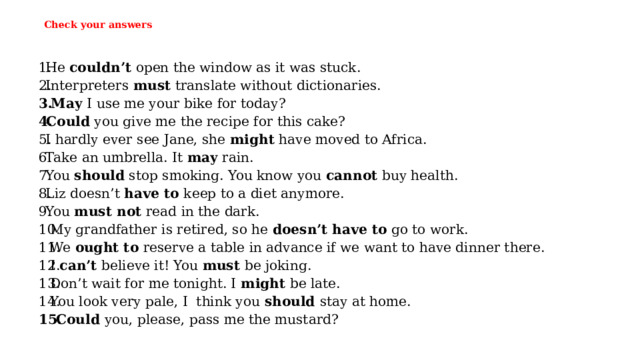
Check your answers
- He couldn’t open the window as it was stuck.
- Interpreters must translate without dictionaries.
- May I use me your bike for today?
- Could you give me the recipe for this cake?
- I hardly ever see Jane, she might have moved to Africa.
- Take an umbrella. It may rain.
- You should stop smoking. You know you cannot buy health.
- Liz doesn’t have to keep to a diet anymore.
- You must not read in the dark.
- My grandfather is retired, so he doesn’t have to go to work.
- We ought to reserve a table in advance if we want to have dinner there.
- I can’t believe it! You must be joking.
- Don’t wait for me tonight. I might be late.
- You look very pale, I think you should stay at home.
- Could you, please, pass me the mustard?

Music pause
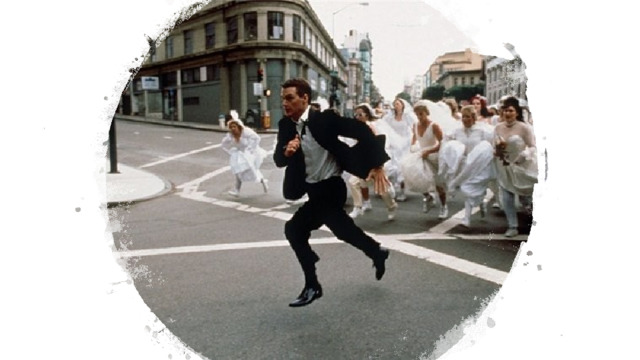
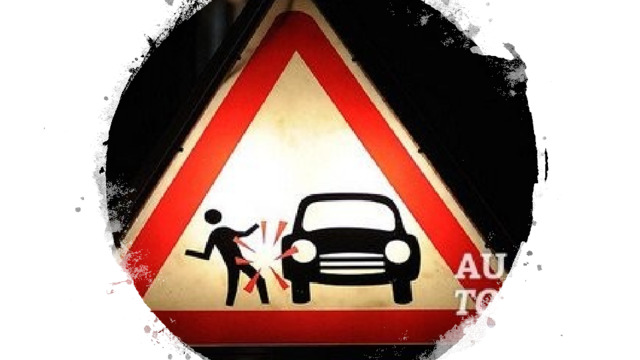
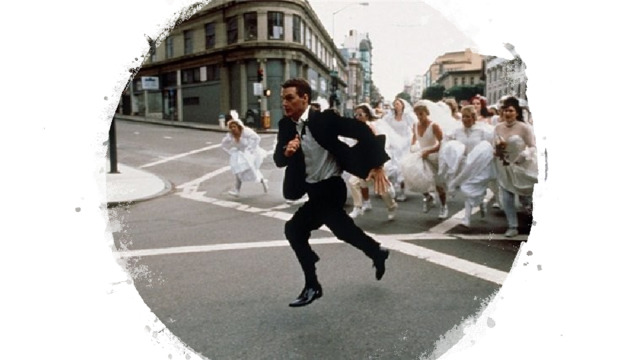
Phrasal verb Run

Run away from- убегать от кого-либо

Run into- натолкнуться, всретиться неожиданно
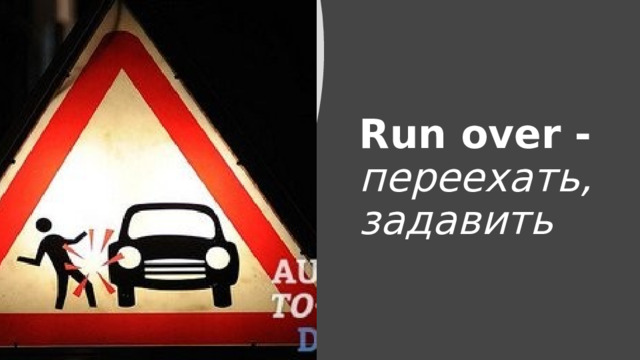
Run over - переехать, задавить
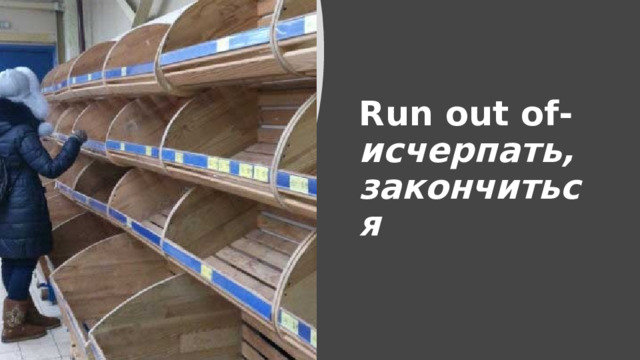
Run out of- исчерпать, закончиться

Run on- работать на каком-либо топливе

Word battle
The 1-st team




The 2-nd team



Ex. 8, p.69

Home task: Ex.4, p.68, Ex.5a, p.80
Вебинар для учителей
🎓 Свидетельство об участии ✨БЕСПЛАТНО!✨