Россия, р.п. Красные Баки


СДЕЛАЙТЕ СВОИ УРОКИ ЕЩЁ ЭФФЕКТИВНЕЕ, А ЖИЗНЬ СВОБОДНЕЕ
Благодаря готовым учебным материалам для работы в классе и дистанционно
Скидки до 50 % на комплекты
только до
Готовые ключевые этапы урока всегда будут у вас под рукой
Организационный момент
Проверка знаний
Объяснение материала
Закрепление изученного
Итоги урока

Была в сети 31.10.2026 19:58

Воронина Марина Владимировна
преподаватель английского и немецкого языка, преподаватель информатики
 91 619
 192

Местоположение
Специализация
Методические указания 3 курс 1 часть (ТОР) 2026
Категория:
Английский язык
16.10.2026 09:25

Просмотр содержимого документа
«Методические указания 3 курс 1 часть (ТОР) 2026»
МИНИСТЕРСТВО ЛЕСНОГО ХОЗЯЙСТВА
И ОХРАНЫ ОБЪЕКТОВ ЖИВОТНОГО МИРА НИЖЕГОРОДСКОЙ ОБЛАСТИ
Государственное бюджетное профессиональное
образовательное учреждение Нижегородской области
«КРАСНОБАКОВСКИЙ ЛЕСНОЙ КОЛЛЕДЖ»
(ГБПОУ НО «КБЛК»)
МЕТОДИЧЕСКИЕ УКАЗАНИЯ
по дисциплине «Иностранный язык
в профессиональной деятельности (Английский язык)»
для студентов III курса часть 1
тема 4.3 «Техника безопасности и охрана труда»
для специальности 23.02.07 Техническое обслуживание
и ремонт автотранспортных средств 
Разработали:
преподаватели иностранных языков
Воронина М.В.,
Булкина Т.А.
Красные Баки
2026
Lesson 1
Safety first
№1. Read and translate the text:
The main causes of accidents in the workplace are not dramatic fires and explosions, but very ordinary accidents that can be easily prevented by workers looking out for their own safety and the safety of others. Many of these accidents are minor, but some cause death or serious injury. The most common cause of accidents is from slips, trips, and falls, followed by lifting and carrying.
Accidents involving cuts, burns, dropped objects, falling from height, and collisions are also common but often avoidable. The main preventable measure is safety training. All employees in the oil and gas industry go through regular safety training courses to encourage a strong safety culture. For hazardous areas, employees will be issued with Personal Protective Equipment (PPE) which must be worn in signed areas. Safety boots, hard hats, overalls, gloves, and safety glasses are usually a standard issue. In addition, ear protectors and special trades' equipment such as welding shields, goggles, and gloves will be issued. Safety signage has to be followed. Signs are classified with different shapes and colours to denote whether they are mandatory, warnings, or giving information. Most signs are independent of language and use standard symbols as ideograms. The meaning of some of these signs is not always immediately obvious and so they should be learnt. Following information signs is practiced in fire drills where workers must follow signs to safe areas. Those working offshore will attend special courses on helicopter escape, use of life jackets and survival craft, and escape through smoke.
There are often opportunities for workers to volunteer as fire officers or first aiders, and special training is given. Safety cultures are different in every country and those workers from countries with a high safety culture may not be sure how to act when they see unsafe conditions or acts where the safety culture is lower. A good guide is never to intervene unless there is imminent danger, but always to report to your supervisor or to an agreed point of contact. When workers are assigned particular tasks, it is good practice for supervisors to give toolbox talks.
These are talks at the working area usually at the beginning of a shift. Supervisors have the opportunity-to point out particular hazards and remind workers of current safety initiatives. Most tasks will require the supervisor to carry out a generic or a specific risk assessment for a task. If special hazards are involved, a task may require a Permit to Work, where special procedures may need to be followed. A permit would be required where there is the risk of exposure to petroleum vapour and a source of ignition such as a welding operation.
№2. Answer the questions:
1. What are the most common accidents in the workplace?
2. What is the main preventable measure?
3. Who goes through regular safety training courses and why?
4. How are safety signage classified?
5. Are safety cultures the same in every country?
6. What may require a Permit to Work?
№3. Give English equivalents to the Russian words and word combinations:
Авария; взрыв; опасные зоны; спасательный жилет; безопасность; первая помощь;
источник воспламенения; серьезные травмы; каска; допуск к работе; предупреждающие знаки; коробка с инструментами.
№4. Translate the following sentences into English:
Некоторые требования техники безопасности перед началом работы в автомастерской:
надеть специальную одежду, обувь и средства индивидуальной защиты. При ремонте автомобилей, работающих на этилированном бензине, — надеть резиновые сапоги, нарукавники, резиновые перчатки. Работать в лёгкой обуви (тапочках, сандалиях) запрещается.
проверить наличие и исправность ручного инструмента, приспособлений и средств индивидуальной защиты. Например, гаечные ключи должны соответствовать размерам гаек и головок болтов, не иметь трещин и выбоин.
подготовить рабочее место для безопасной работы: надёжно установить передвижное оборудование и инвентарь, удобно и устойчиво разместить инструмент.
при обнаружении неисправностей на рабочем месте немедленно сообщить руководителю работ и приступить к работе только после их устранения.
№5. Read the text and complete the table below:
Categories of safety signs
Safety signs are divided into categories according to the type of message they are intended to convey. Each category is assigned a specific format and set of colours.
Prohibition Signs
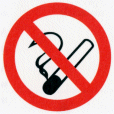 These signs should be used to convey “Do Not” type commands. For example, to indicate that smoking is not allowed or that, where a particular material reacts dangerously with water or water should not be used to extinguish a fire. In the workplace they should be used to reinforce instructions prohibiting dangerous activities. Such instructions, however, should also form part of the employees training. Signs prohibiting an activity consist of a circular red band and single diagonal cross bar descending from left to right at an angle of 45 degrees. The background should be white with the pictogram indicating the nature of the command in black.
Warning Signs
 These signs should be used to make people aware of a nearby danger. For example, a flammable liquid store or a laboratory where radioactive substances are in use should have an appropriate warning sign near the entrance. These signs are required by the Health and Safety (Safety Signs and Signals) Regulations and in specific cases by the Dangerous Substances (Notification and Marking of Sites) Regulations. Signs warning of a particular hazard consist of a black band in the shape of an equilateral triangle. The background within the band should be yellow with the pictogram indicating the type of hazard in black positioned centrally on the sign.
Mandatory Signs
 These signs should he used to indicate actions that must be carried out in order to comply with statutory requirements. For example, self-closing fire doors that must be kept closed to comply with the fire risk assessment should be labeled with “FIRE DOOR KEEP SHUT” signs. An area of a construction site where hard hats or safe glasses should be worn should also have appropriate signs at the entry points. It should he noted that the Health and Safety (Safety Signs and Signals) Regulations do not apply to mandatory fire instructions, but apply to health and safety mandatory signs where pictograms are required. The minimum regulatory requirement is for the sign to include an appropriate pictogram. There are no pictograms for fire safety instruction signs and although mandatory in the UK through inclusion in the requirements of workplace fire assessments, such signs are not considered as health and safety signs within these Regulations. Thus, the familiar white on blue fire safety mandatory signs using text only will remain in place and will not have to be changed.
Fire instruction notices, which list actions that occupants must carry out in the event of a fire are, by convention, written as white text on a blue background but not in the circular format. The colours are used to convey the mandatory nature of the instructions but because of the amount of text normally needed a rectangular format is used. The general mandatory sign of a white exclamation mark on a blue circle may be used in conjunction with the fire instructions notice. Signs indicating mandatory requirements consist of a blue circle with the pictogram or text in white positioned centrally.
Safe Condition Signs
 These signs should he used to indicate escape routes, emergency exits, first aid equipment, emergency showers and the others. Safe condition signs consist of a green rectangle or square with the pictogram or text in white positioned centrally. In the same way as for mandatory signs some UK fire safety signs in this category are not required by the Health and Safety (Safety Signs and Signals) Regulations for example “PUSH BAR TO OPEN” is not required to comply and there is no pictogram with that meaning. Such signs are still needed for compliance with other UK legislation.
Exit Signs
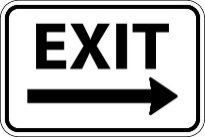 In order to comply with the requirements of the Building Regulations, every doorway or other exit providing access to a means of escape, other than exits in ordinary use, should be provided with an exit sign. Installation of signs conforming to British Standard will satisfy both the Building Regulations and the Health and Safety (Safety Signs and Signals Regulations). In general, these Regulations will not require any changes where existing fire safety signs containing symbols comply Fire safety signs, notices and graphic symbols.
Provision of exit signs
 The regulations place a duty on employers to ensure that safety signs are provided in circumstances where the risk to the health and safety of employees, identified through the risk assessment requirement contained with the Management of Health and Safety at Work Regulations cannot be entirely, engineered or managed out of the workplace. It should be noted that the Regulations do not require safety signs to be used where there are no significant risks to the health and safety of employees. The issue which then requires to be resolved is whether it is necessary to indicate exits with signs. In arriving at a decision, the fundamental issue which will underpin the process is whether the risk of injury or death to employees from a fire within particular premises is deemed to be significant enough to warrant the provision of signs indicating fire exit routes and final exits. If it is deemed that the risk is not significant then there is no need to install the signs. Thus, for example, a small, single storey premises with one clearly visible exit should not require a fire exit sign because it would be obvious to staff that the door is their only means of access and hence there should not be a significant risk to their health and safety from fire by not signing the door as an exit. However, those buildings with more complex internal layouts incorporating multiple exits, some of which may not be readily visible nor frequently used, or where large numbers of the public congregate, will require fire exit signs. They should be complete with directional arrows, if there is a significant risk of individuals not being able to find their way to a place of safety in the event of a fire.
Supplementary information signs
 These are signs used to provide additional information. In the Health and Safety (Safety Signs and Signals) Regulations these are confined to directional arrows. However, they include various text messages as well as arrows under the description of supplementary signs. To comply with the Regulations where a direction indication is needed the minimum requirement is for a supplementary sign in the form of an arrow. The supplementary text messages in the British Standard such as “Water as an extinguishing agent prohibited” will be acceptable under the regulations only if accompanied by an appropriate pictogram. This is entirely consistent with the philosophy of the British Standard. Supplementary signs consist of a square or rectangle in the appropriate colour with the pictogram or text in white and positioned centrally. The colour should be green where the information supplements a safe condition sign, red where It supplements a fire equipment sign or yellow to supplement a warning sign. There is a minor conflict between the British Standard and the regulations on the permitted colour of supplementary signs. They allow text to be in black on a white background or white on the appropriate colour. The colour alternative is the only option permitted in the Regulations. Thus the Regulations can be complied with by adhering to this option in the Standard.
Fire Fighting Equipment Signs
 These signs are used to mark the location of firefighting equipment and fire alarm activation points. However, where possible, fire equipment should be positioned where it is clearly visible. Red to be used as the identifying colour for firefighting equipment. If the equipment itself is red this will satisfy the requirement. Where it is not red then highlighting the position of firefighting equipment by colouring background behind the equipment red may be enough to comply. Fire equipment signs consist of a red rectangle or square with the pictogram in white positioned centrally on the sign.
Summary of Safety Signs (you have pictograms, describe them)
| Type | Shape | Colour | Pictograms |
|
|
| |
|
| | | |
|
| | | |
|
| | | |
|
| | | |
|
| | |
|
|

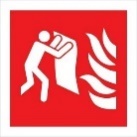

№6. Read and translate the information “Safety signs: colours and shapes”, write 10 plural nouns and translate them:
Safety signs are very important because the oil and gas industry has many hazards. Hazards are possible dangers like electricity, chemicals, hot things, gas, machines, noise, falling objects, and slippery surfaces. There are four main kinds of safety signs:
Black and yellow triangles. These signs warn us about hazards.
Blue and white circles. These signs tell us “You must wear or do the thing in the picture”
Red and white circles. These signs usually have a red band across them. They tell us we must not do things.
Green and white squares or rectangles. These signs give information about safety.
№7. Form the comparatives and superlatives of the following adjectives:
Example: easy – easier – the easiest
Clean, safe, comfortable, high, sophisticated, good, extreme, predictable
№8. Read the text and fill in the gaps with the words: damage, devices, airbag, passenger, safer, chassis, switched on, safety, 3-point
While car making is becoming cleaner, cars are becoming 1)… . Safety 2)… are also becoming more sophisticated. After many injuries to children and small women, car companies are trying to make the front-impact airbag safer. Using infra-red or video systems, suppliers are developing ways to detect the size of the 3)… in the front seat and to measure how far back they are sitting. This will determine how rapidly the 4)… inflates, or whether it inflates at all. There are other 5)… devices. The anti-lock brake system ensures the highest degree of driving safety. Many of the 6)… components are made of aluminium to ensure excellent ground contact. Bumpers with shock absorbers withstand impacts up to 4 km/h without 7)… . The crash sensor overrides the centre lock function in the event of an accident (the doors can then be opened), and the interior lights are 8)… . Safety restraint system for driver and front passenger is a 9)… seatbelt which provides the best possible restraint in the event of a collision.
№9. Give the English equivalents to the following words using the text above:
Переднее сиденье, подушка безопасности, гарантирует высочайшую степень безопасности, выдерживает удар до …, без повреждений, датчик удара, блокирует функцию, в случае столкновения, ремень безопасности.
№10. Put questions to the underlined words.
1. Car companies are trying to make car driving safer.
2. Suppliers are developing ways to detect the size of the passenger.
3. The size of the passenger will determine how rapidly the airbag inflates.
4. The crash sensor overrides the centre lock function in the event of an accident.
5. Seatbelts provide the best possible restraint in the event of a collision.
№11. Read the advertisement and say whether the statements below are True or False:
Safety you can rely on
In this car safety is given a high priority. The passenger compartment is actually a computer-designed safety cell. You’ll feel secure even in the most extreme situations. Height-adjustable seat belts, headrests front and rear provide a comprehensive safety performance which comes as standard. The design of the door has been completely redone: a steel profile element has been welded (приварен) directly beneath the window line, giving the door added rigidity. The airbag reduces the risk of injury in a head-on collision (лобовое столкновение). The Cornering Brake Control (CBC) system makes braking in corners even safer and more predictable, and represents an effective way of keeping the vehicle safely on track.
1. Safety is given a high priority by car manufactures today.
2. The Cornering Brake Control system gives the door added rigidity.
3. Protection system of the car includes height-adjustable seat belts, headrests
front and rear, airbags and other safety devices.
4. The airbag reduces the damage to the car in a head-on collision.
№12. Make up the word combinations used in the text and translate them:
| a) high | 1) compartment |
| b) safety | 2) belt |
| c) passenger | 3) collision |
| d) seat | 4) priority |
| e) head-on | 5) cell |
| f) added | 6) seat belts |
| g) high-adjustable | 7) rigidity |
Lesson 2
Modal verbs
№1. Study the information:
| Modal verb | Usage | Настоящее время | Прошедшее время | Будущее время |
| can | - умение, способность - возможность, разрешение - просьба в вежливой форме - физическая способность или возможность | can | could | will be able to |
| to be able to | am/is/are able to | was/were able to | will be able to | |
| may | 1) разрешение, при not – запрещение 2) предположение с сомнением | may | might | will be allowed to |
| to be allowed to | am/is/are allowed to | was/were allowed to | will be allowed to | |
| must | 1) обязанность, долженствование, твёрдая необходимость, логическое заключение 2) приказание или совет 3) выражение предположения, которое говорящий считает вполне правдоподобным | must | had to | will have to |
| to have to | вынужденность, обязанность | to have/has to | had to | will have to |
| ought to | 1) моральный долг 2) настоятельный совет, строгая рекомендация 3) сожаление | ought to | - | - |
| to be to | долженствование в силу договорённости или плана | am/is/are to | was/were to | - |
| to be obliged (to) | быть обязанным | - | - | - |
| shall | 1) намерение 2) предложение | - | - | shall |
| should | 1) обязанность (менее сильная, чем must) 2) совет, рекомендация 3) упрёк, порицание, сожаление | should | - | - |
| will | желать, намереваться | - | - | will |
| would | желать, вероятно, бывало | - | would | - |
| need | необходимость | need | - | - |
| dare | сметь, посметь (в вопросе и отрицании – не сметь), дерзнуть, осмелиться | dare | dared |
|
№2. Read and translate these parts of your body. Write the sentences using the words and modal verbs: example: Our ears can hear.
Ears eyes face feet fingers hands head
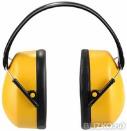
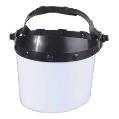
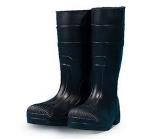
№3. Write and translate the personal protection equipment (PPE). Complete the sentences below:
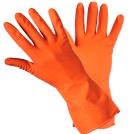
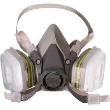
Ear protectors Hard hat Face guard

Boots Goggles Gloves

Safety harness respirator

1. A hard hat should be used for protecting your…
2. A face guard should be used for protecting your…
3. Boots should be used for protecting your…
4. …. should be used for protecting your ears from noise
5. .... should be used for protecting your hands
6. .... should be used for protecting your eyes
7. A …. should be used for protecting you from smoke and dangerous fumes
8. A …. should be used for protecting you from a fall
№4. Match the signs with the descriptions given below. Make up the sentences using modal verbs:
1 2
 3
 4
 5
 6
7  8
 9
 10
 11
 12

13  14
 15

Wear goggles
Don’t smoke here
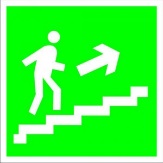
This way to the emergency exit
Wear ear protectors
Don’t eat here
Danger! High voltage!
Fire exit
Wear boots
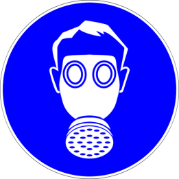
Wear respirator
Do not enter
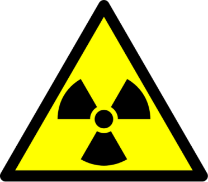
Danger! Radiation!
Danger! Overhead crane!
This way to the pharmacy
Do not touch!
Drinking water is here
№5. Read the health and safety officer talking to a team of welders and pipe-fitters
H - health and safety officer
P1- pipe-fitter1
P2- pipe-fitter2
P3- pipe-fitter3
H: There are six main hazards for welders. Can you name them?
P1: Electric shock
H: Right. So what do we do?
P2: Weld dry. Don’t stand in water.
P3: And wear leather shoes and always wear gloves.
H: Right. we also check our equipment often. We switch off equipment when we are not using it. Another hazard?
P3: Gas cylinders. Gas cylinders can explode.
H: Correct. So how do we stay safe?
P1: Don’t drop them!
H: Right. How?
P2: Always secure the cylinders. And always move them safely.
H: Ok. And three steps before moving?
P2: Close the valve, remove the regulator, and replace the valve cap. Then use a cart to move a cylinder.
H: Right. And always close the valve when you go on break or at the end of the day. Also, you should always wear your safety glasses when you’re working. OK, that’s two hazards. What else?
P3: Arc rays. They burn eyes and skin
H: Precautions?
P1: Cover skin and eyes. Never look at the spark. Always use a welder’s helmet and gloves.
H: Those things also protect us from arc sparks. Hot sparks can burn clothes and start fires. So wear your protective clothes. Cotton trousers are good. And no pockets! Pockets catch sparks. Another hazard?
P2: Smoke. Smoke from welding can be dangerous.
P1: So we use respirators. And we always know the material we’re welding.
H: That’s right. And indoors, we always use the ventilation system. OK, there’s one more hazard on my list. Trips and falls You work in confined spaces, sometimes underground, sometimes high u. So what do you do?
P3: Always think about where you are. Wear a safety harness.
P2: Keep the work area clean and tidy.
H: Right
№6. Number the welding hazards in the order you hear them
Gas cylinders d. smoke
Arc sparks e. electric shock
Arc rays f. trips and falls
№7. Match each hazard (a-f) in 6 above with a precaution
Weld dry.
Always move it safely.
Cover up skin and eyes.
No pockets!
Know the material we’re welding.
Keep the work area clean and tidy.
№8. Read again. Tick the pieces of safety equipment you hear.
Safety glasses 7. Respirator
Welder’s helmet 8. Boots
Face guard 9. Ventilation system
Gloves 10. Ear protectors
Cotton trousers 11. Safety harness
Welding jacket 12. Leather shoes
№9. Translate into Russian and underlined the modal verbs:
1. Sometimes the camshaft may be carried on the cylinder head.
2. You may not smoke here.
3. Transmission must carry the power from the engine to the wheels.
4. The first long-distance trip proved that the self-propelled vehicle could be good for everyday use.
5. We can divide the mechanics of a car into seven groups.
6. We must know the mechanics of a car.
7. The first steam-powered vehicle couldn’t carry a driver or passenger.
8. The engine must be a rigid structure.
№10. Put the verbs into Past Simple. Use the modal verbs and their equivalents:
1. He must work hard to finish his experiment.
2. I can devote myself to scientific work.
3. You may repeat this experiment.
4. He must illustrate this law by several experiments.
5. She can study automation in the college.
6. They may carry out these experiments at the laboratory.
№11. Put the verbs into Future Simple. Use the modal verbs and their equivalents:
1. He must check the temperature three times a day.
2. In this figure you can see a diagram of temperature changes.
3. He may use a barometer to measure the atmospheric pressure.
4. You may use this method in your research.
5. She can do the work in time.
6. They must solve a number of scientific problems.
№12. Insert necessary modal verbs:
1. For each new product the producing equipment ... reprogrammed and changed over.
2. The applications of robots ... divided into three categories.
3. The petrol engine ... develop much power at low speeds.
4. Despite its diversity, electrical engineering ... divided into four main branches.
5. He ... finish the work because of the lack of money.
6. Computers ... input, calculate, compare, and output data as information.
7. Engineers ... know how materials respond to external forces, such as tension, compression, torsion, bending, and shear.
8. Strength is the force per unit area (stress) that materials ... support without falling.
9. You ... to wear a hard hat at this part of the workshop.
10. Before you go on the factory tour you ...to put on these special clothes and safety boots.
№13. Translate the sentences; explain the usage of the certain modal verbs:
1. The green wire should be connected to terminal 4.
2. You mustn’t turn the machine when the red warning light is on.
3. This lever can be up or down.
4. We can recycle old products to make new ones.
5. The red switch has to be on.
6. A rheostat is a resistor whose resistance value may be varied.
7. That morning he had to leave his car at home.
№14. Change the sentences into Past and Future Tenses:
1. They may read a book now.
2. She can speak English very well.
3. You must read for your exam today.
4. We may go for a walk as soon as we finish our homework.
5. I can show better results if I don’t work by fits and starts.
Lesson 3
Occupational Safety
№1. Write new words:
work on the car – работать с авто
parking brake – ручной тормоз
gearshift is in Park or Neutral – передача выключена или в нейтральном положении
the engine is shut off – двигатель выключен
to get burned – обжечься
jack – домкрат
to jack a vehicle up – поднять авто на домкрат
insulated tools – инструменты с надежной изоляцией
wrench – гаечный ключ
ratchet – трещотка
parts that are “stuck” – прикипевшие детали
pull on – тянуть
push – толкать
damage – повреждение
to get caught – попадать, застревать
fan – вентилятор
coolant – антифриз
cleaner – стеклоочиститель
store – хранить
dangerous – опасный
toxic – ядовитый
flammable – огнеопасный, легковоспламеняющийся
can – канистра
vapour – пар
explosive – взрывчатый
to avoid – избегать
breath in – вдыхать
carbon monoxide – угарный газ
fume – дым
fire extinguisher – огнетушитель
№2. Read and translate the following text «Safety rules» into Russian and answer the questions:
Don’t smoke while you’re working on your car — for obvious reasons!
Never work on your vehicle unless the parking brake is on, the gearshift is in Park or Neutral, and the engine is shut off.
Be sure that the parts of the engine you’re working on are cool so that you don’t get burned. If you’re doing a job that calls for a warm engine, be very careful.
Never jack a vehicle up unless the wheels are blocked.
Use insulated tools for electrical work.
Before using a wrench or ratchet on a part that’s “stuck”. Pull on wrenches rather than push them whenever possible.
Take off your tie, scarf, rings, long necklaces, and other jewelry. If they get caught on parts, they — and you — can be damaged.
Tie back long hair. If your hair accidentally gets caught in a moving fan or belt, you can literally be scalped.
If you’re working with toxic chemicals, such as coolant, cleaners, and the like, keep them away from your mouth and eyes. Wash your hands thoroughly after using them, and either store toxic chemicals safely away from pets and children.
Know that gasoline is extremely dangerous. Not only because it is toxic and flammable, but the vapor in an empty can is explosive enough to take out a city block. If you must keep a small amount of gasoline on hand for a chain saw, always store it in a ventilated gasoline can designed specifically for that purpose.
Work in a well-ventilated area to avoid breathing in carbon monoxide if you have to run the engine, or breathing in toxic fumes from chemicals and gasoline. If possible, work outdoors. If you must work in your garage, be sure to keep the garage door open and move the vehicle as close to the door as possible.
Use a work light in dark areas.
Keep a fire extinguisher handy.
1. Why mustn’t you smoke while you are working on your car?
2. Why should the parts of the engine you are working on be cool?
3. What should you take off when working on your car? Why?
4. What toxic chemicals do you know? What are the safety precautions when working with them?
5. Why is gasoline dangerous?
6. What should we do in order not to breath in carbon monoxide when repairing your car?
№3. Translate the words and underlined the word that doesn’t belong to the group:
1. ring, tie, necklace, earring;
2. ratchet, spanner, wrench, wheel;
3. van, omnibus, plane, lorry
4. coolant, cleaner, soap, thinner
5. jack, engine, air filter, battery
№4. Find the equivalents to the verbs and compose your own sentences using them:
to avoid блокировать
to understand использовать
to be burned избегать
to jack up вдыхать
to block хранить
to use тянуть
to pull on понимать
to push обжечься
to keep away from поднимать на домкрат
to store толкать
to breath in беречь от
№5. Translate into English:
Двигатель выключен, прикипевшие детали, антифриз, хранить, работать с авто, очевидная причина, поднять авто на домкрат, гаечный ключ, толкать, повреждать, вентилятор, ремень, стеклоочиститель, передача на нейтральном положении, канистра, избегать, угарный газ, огнетушитель, легковоспламеняющийся, ядовитый, домкрат.
№6. Complete the following sentences:
1. Never jack a vehicle up until the wheels are…
2. If you must keep a small amount of gasoline on hand, always store it in…
3. If you are working with toxic chemicals, such as …, keep them away from your mouth and eyes.
4. Use … for electrical work.
5. Never work on your vehicle unless…
№7. Translate the following sentences into English:
1. Заблокируй, пожалуйста, колеса.
2. Если вам приходится работать с прогретым двигателем, будьте осторожны!
3. Вы можете обжечься.
4. Поставь машину на ручной тормоз.
5. Не курите, когда работаете с машиной.
6. Это инструменты с надежной изоляцией?
7. Бензин очень опасен.
8. Работайте в хорошо вентилируемых помещениях, чтобы избежать вдыхания угарного газа.
9. Если вам приходится работать в гараже, откройте дверь.
10. Некоторые канистры предназначены специально для хранения бензина.
№8. Match the phrase with its translation:
| 1. Wear safety boots! 2. Don’t enter! 3. Don’t use a mobile phone here. 4. Emergency exit this way! 5. Be careful. Dangerous liquid! 6. Don’t touch! 7. Wear safety goggles in the area! 8. Don’t park here! 9. Be careful! Explosive material! 10. Don’t switch on! 11. Danger of an electric shock! 12. Don’t smoke here! 13. Wear a hard hat! 14. Watch out! Danger! | a) Руками не трогать! b) Парковка запрещена! c) Осторожно! Взрывоопасные вещества. d) Не курить! e) Не включать! f) Осторожно! Высокое напряжение! g) Надеть обувь! h) Запасной выход! i) Осторожно! Опасно! j) Отключить мобильные телефоны! k) Не входить! l) Для безопасности оденьте очки! m) Осторожно! Опасные растворы! n) Надеть каску! |
№9. Match the term with its definition
A. Occupational safety B. Hazard C. Risk D. PPE E. Compliance
1. The likelihood that a hazard will cause harm.
2. Adherence to laws, regulations, and internal policies.
3. Practices and measures to ensure a safe working environment.
4. Equipment worn to minimize exposure to hazards.
5. A potential source of harm or adverse health effect.
№10. Fill in the blanks with the correct term. Use: incident, compliance, risk assessment, PPE, hazard,
1. Wearing gloves and goggles is part of proper _____ use.
2. Before starting a new process, conduct a _____ to identify dangers.
3. Failure to follow safety protocols may lead to an _____.
4. _____ with OSHA standards is mandatory for all employers.
5. A wet floor is a common _____ in many workplaces.
№11. Fill in the following table:
| Verb | Noun | Adjective |
|
| protection |
|
|
|
| hazardous |
|
|
| compliant |
| comply |
|
|
| prevent |
|
|
№12. Complete the sentences with must, should, or can, translate the sentences:
Employees _____ report unsafe conditions immediately.
Managers _____ ensure all equipment is maintained.
PPE _____ reduce the risk of injury.
Workers _____ refuse to work in dangerous situations.
№13. Insert the correct preposition: of, for, with, on, in. Translate the sentences:
Compliance _____ safety regulations is mandatory.
Training focuses _____ hazard identification.
Risks result _____ unsafe practices.
The program aims _____ reducing accidents.
№14. Translate the words with their definitions:
safety - the state of being safe from harm or danger.
danger - the possibility that someone or something will be harmed or killed, or that something bad will happen.
injury - damage to someone's body in an accident or attack.
accident - something bad that happens that is not intended and that causes injury or damage.
toxic - containing or being poisonous material especially when capable of causing death or serious debilitation.
flammable - capable of being easily ignited and of burning quickly
Lesson 4
Infinitive: forms and functions
№1. Study the information:
Инфинитив – это неличная или неопределенная форма глагола, которая отвечает на вопрос «что делать?», «что сделать?». Инфинитив называет только действие, не указывая лица, числа и наклонения.
I would love to come but I’m busy now. – Я бы хотел прийти, но я занят сейчас.
Отличительным признаком инфинитива является частица to, однако в некоторых случаях она может опускаться:
- после модальных глаголов;
- после глаголов чувственного восприятия feel (чувствовать), hear (слышать), see(видеть), watch (наблюдать), notice (замечать);
- после глаголов make (в значении «заставлять, вынуждать») и let (в значении «разрешать, позволять»).
- после оборота “had better”
- после вопросительного местоимения Why
- если в предложении употребляется два инфинитива, которые соединены между собой при помощи and, or, except, but, than, as, то частица to перед вторым инфинитивом может опускаться.
В предложениях отрицательная частица not ставится перед инфинитивом, к которому относится: I will try not to be late. – Я постараюсь не опоздать.
Инфинитив в английском языке может принимать шесть временных форм.
|
| Активный залог | Пассивный залог |
| Simple (Indefinite) | to ask | to be asked |
| Progressive (Continuous) | to be asking | – |
| Perfect | to have asked | to have been asked |
| Perfect Progressive (Continuous) | to have been asking | – |
№2. Translate into Russian, write out the Infinitive:
1. To see is to believe.
2. To live means to struggle
3. To understand is to forgive.
4. To choose time is to save time.
5. To be or not to be, that is the question.
6. How to prove it to him is a problem.
7. He wants to accept your offer.
8. He is happy to have been accepted to the University.
9. That was a nice seaside place to spend the holidays.
10. She was the last to speak at the meeting.
№3. Translate into English, underlined the Infinitive:
Он обещал прочитать мой отчет сегодня.
Мы наконец-то закончили читать эту книгу!
Вместо этого они решили пойти в кино.
Я предлагаю оплатить чеком, это безопаснее, чем наличными.
Она хотела бы пойти на вечеринку с тобой.
Я не люблю ждать.
Жить – значит бороться.
Я не хочу уходить.
Мы не можем позволить себе купить новую машину в этом году.
Наконец они смогли закончить работу.
№4. Answer the questions using infinitive and the following words: exhibition, play, picture, profession, travel leaflet, mushrooms, book, bread, magazine, movie.
Example: 1) Why are you going to the baker’s? I am going to buy some bread there.
2) Why are you going to the bookshop?
3) Why is he going to the travel agent’s?
4) Why are they going to the post office?
5) Why is she going to the forest?
6) Why are we going to the museum?
7) Why is he going to the gallery?
8) Why are they going to the theatre?
9) Why is she going to the cinema?
10) Why is he going to the college?
№5. Change the sentences using infinitive form:
EXAMPLE: He is so old that he cannot skate. He is too old to skate.
1. The problem is so difficult that it is impossible to solve it.
2. The box is so heavy that nobody can carry it.
3. The baby is so little that it cannot walk.
4. He is so weak that he cannot lift this weight.
5. She is so busy that she cannot talk with you.
6. She was so inattentive that she did not notice the mistake.
7. The rule was so difficult that they did not understand it.
8. He was so stupid that he did not see the joke.
9. She has got so fat that she cannot wear this dress now.
10. The accident was so terrible that I don't want to talk about it.
№6. Translate the sentences and define the infinitive form:
He advised us to spend a night in the basement.
You can leave any time.
We began to work on the problem.
The tourists made a fire to warm up the kettle.
It is great fun to swim with dolphins.
The police asked us to tell what we saw.
The two lovers went out so as to listen to nightingales.
I am too old to make such journeys.
To walk every day is good for health.
We are so happy to visit him on weekends.
№7. Open the brackets and translate the sentences:
1. I (to love, to read) and (to listen) to the music.
2. He (not to like, to play) chess.
3. We (to like, to correspond) with each other very much.
4. Bob (to hate, to wash the dishes).
5. We (to enjoy, to travel) round our country.
6. They (to like, to chat) with each other in the evenings.
7. Mary and her Mum (to love, to do shopping).
8. My parents (not to like, to go) to the theatre.
№8. Translate the following abbreviations and acronyms related to industrial safety:
PCS - Process Control System
ICSS - Integrated Control and Safety System
SIL - Safety Integrity Level
PSS - Process Safety System or Process Shutdown System
SSS - Safety Shutdown System
ESD - Emergency Shutdown
EDP - Emergency Depressurization
OSHA - Occupational Safety and Health Act
№9. Make up nouns from the following verbs. Translate the words:
1 to explode – an explosion
2 to prevent -
3 to protect -
4 to detect -
5 to ignite -
6 to contact -
7 to ban -
8 to subject -
9 to eliminate -
10 to install -
№10. Read the text and define whether these statements are False or True, correct them:
A fire detection and warning system must always be determined through a fire risk assessment. There is no single system suitable for all premises. The assessment will consider factors such as:
Building size, height, and layout
Occupant numbers and movement patterns
Vulnerability of occupants
Sleeping risk where applicable
Fire load and ignition sources
Out-of-hours use
Evacuation strategy
Fire detection systems are typically designed in accordance with BS 5839-1, which defines system categories such as manual systems, life protection systems, and property protection systems. The fire risk assessment determines whether detection is required, where it is needed, and how it should operate to support safe evacuation.
There is one universal fire detection system suitable for all types of buildings.
The size and layout of a building are important factors in a fire risk assessment.
The number of occupants and how they move around the building are not considered during the assessment.
BS 5839‑1 is a standard that helps design fire detection systems.
A fire risk assessment determines where detection is needed and how it should operate.
Sleeping risk is always a factor in every type of premises.
№11. Complete the sentences using words and phrases: fire risk assessment, fire load, evacuation strategy, BS 5839‑1, ignition sources, vulnerability.
Before installing any fire safety equipment, a thorough __________ must be conducted.
High __________ in a warehouse increases the potential severity of a fire.
Electrical wiring and open flames are common __________.
The __________ of elderly residents in a care home requires special safety measures.
Designing a fire detection system should follow the guidelines in __________.
Every building must have a clear __________ to ensure safe exit during emergencies.
№12. Match the words and phrases from the text with their definitions:
| fire detection and warning system fire risk assessment premises occupant vulnerability fire load ignition source evacuation strategy | a) A person who lives or works in a building. b) Anything that can start a fire (e.g., a spark, a flame). c) The amount of combustible material in a building that could feed a fire. d) A plan for how people will leave a building safely in an emergency. e) A device or set of devices that detects fire and alerts people. f) A process of evaluating the likelihood and potential consequences of a fire. g) Susceptibility to harm or damage. h) A building or group of buildings together with the land they are on. |
Lesson 5
Mechanics Workshop Safety
№1. Read and translate the text:
Whether you tinker in classic car restoration or own a full auto shop, safety in the workshop is always of the utmost importance. Keeping yourself, your friends, your assistants, your customers and any number of other people safe amongst the many dangers of motor vehicle repair is the most important principle in any workshop. So, to help you and yours stay safe, let’s review some shop safety tips.
Wear Proper Clothing
With the many moving parts that exist in every automobile, it is extremely important to wear clothing that fits properly. Clothing that is too loose can get caught in the car’s mechanics, while clothing that is too tight can restrict your movements and responses in dangerous situations. Instead, it is advisable to wear fitted clothing.
In addition, jewelry should never be worn when working with mechanical equipment of any kind, including when working with automobiles. Necklaces, chains, bracelets and earrings can all easily be caught in a moving part, and in some situations, the injuries caused by jewelry incidents may call for amputation or may cause death.
Dangling jewelry of all kinds should therefore be banned from the shop. Also, even simple wedding bands can be caught in machinery (although this is not as likely as with dangling jewelry), so a ban on all jewelry may be considered.
Wear Protective Gear
Drips, spills and splatters are common in auto shops, so protective gear is often the best way to ensure safety. Protective eye gear should be worn anytime a substance could injure a person’s eyes, and gloves should be worn when working with sharp materials, like newly cut or rusty steel.
Other protective gear that may come in handy include masks. Painter’s masks can help decrease the chance of inhalation injury during auto body painting, and a welder’s mask must be worn when welding, to protect the welder’s eyes from arc injuries. Additionally, simple inhalation masks may be suggested during some sanding and cleaning tasks.
Use the Proper Lifts
One of the very most important rules in any shop is to properly lift your vehicle. With literally tons of steel hovering above a worker, supporting a car during a suspension-based task can mean the difference between life and death.
Professional shops may wish to purchase heavy-duty lifts or create a below-ground mechanic’s room to better protect employees. Small shops and hobby restorers, though, may not be able to afford the best in safety gear, so ensuring that a simple jack and jack stand combo is of good quality and used properly is the next best thing.
Always follow the instructions on whatever lift you use, and if using a jack, remember to secure the wheels and put the car in park. Also, if working beneath the car, always use the jack stands to support the vehicle; never rely on the jack as support.
Automobile restoration and repair is one of the most pleasurable jobs and hobbies for countless men and women. If you are in that number, remember to stay safe, watch your clothing/protective gear and lift properly.
Loose clothing is recommended in a workshop because it allows for free movement.
Dangling jewelry, like necklaces and bracelets, can be dangerous near moving parts.
A simple wedding band is just as dangerous as a dangling necklace.
Protective eye gear should be worn only when welding.
A painter’s mask can help protect against inhalation injuries during auto body painting.
Using a high-quality jack alone is enough to safely support a car when you’re working underneath it.
You should always follow the instructions on whatever lift you use.
№2. The pictures are from a safety manual for drilling crews. Which person is …
1. wearing loose clothes?
2. standing under a load?
3. running up or down steps?
4. eating near chemicals?
5. handling chemicals without PPE?
6. walking below people working?
7. standing between a wall and a moving load?
8. using a broken tool?
9. climbing without a safety harness?
10. doing the right thing: lifting correctly and keeping his back straight?
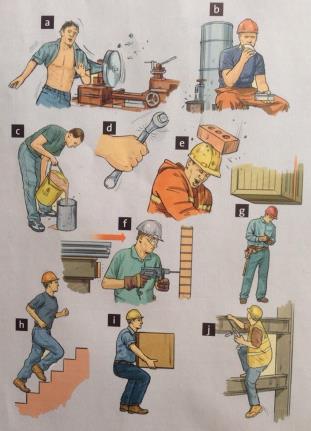
№3. Say what might happen in each situation?
Example:
Machines might catch his loose clothes and injure him.
№4. You work in a drilling crew. You are looking after a new person in the crew. Take turns advising him.
Example
You shouldn’t wear loose clothes because machines might catch them.
№5. What safety precautions do you take when you drive a car, or ride a motorcycle or bicycle?
№6. Study the information: Personal protective equipment is the first step to your safety in the plant and answer the questions:
Head protection. We are to put on a hard hat to prevent our head from any kind of injuries.
Eye & Face Protection. If you don’t have the safety mask or safety glasses while performing some special kinds of work you are in danger. Pieces of glass for example might hurt your eyes or face. You must wear safety glasses!
Hearing Protection. Earclips help you to reduce the influence of any noise on your hearing. You must wear ear clips while entering the site!
Respiratory Protection. The respirator, half mask, gas-mask protect your respiratory organs from influence of different harmful substances. You must wear the respirator when you go to the batch house (цех)!
Hand Protection. Safety gloves protect your hands from cuts and injuries while working with very hot or cold surfaces. You must wear safety gloves when you perform any repair near the furnace!
Foot Protection. Safety shoes protect your feet and legs from injuries. When you at the site you must wear safety shoes!
1) What does the abbreviation PPE mean?
2) What protective clothes do you know?
3) What kind of head protection is mentioned in the text, and what is its purpose?
4) Why is it important to wear safety glasses or a safety mask during certain types of work?
5) What device helps reduce the influence of noise on your hearing, according to the text?
6) Which protective equipment should you wear when going to the batch house, and why?
7) What type of footwear is required at the site, and what does it protect?
№7. Match the type of protection with its purpose:
| Head protection. Eye & face protection. Hearing protection. Respiratory protection. Hand protection. Foot protection. | a) To protect respiratory organs from harmful substances. b) To prevent head injuries. c) To protect feet and legs from injuries at the site. d) To reduce the influence of noise on hearing. e) To protect eyes and face from flying objects. f) To protect hands from cuts and injuries from hot/cold surfaces. |
№8. Complete the sentences with words from the box: hard hat, safety glasses, earclips, respirator, safety gloves, safety shoes
To prevent head injuries, you must put on a ________.
You must wear ________ when performing special kinds of work to protect your eyes from pieces of glass.
________ help you to reduce the influence of noise on your hearing when entering the site.
When you go to the batch house, you must wear a ________ to protect your respiratory organs.
________ protect your hands from cuts when working near the furnace.
At the site, you must always wear ________ to protect your feet and legs.
№9. Read the statements and mark them as True or False. Correct the false ones:
A hard hat protects your eyes from injuries.
Wearing safety glasses is important to avoid danger during special work.
Earclips are used to protect hands from injuries.
A respirator is necessary when you go to the batch house.
Safety gloves are only needed when working with sharp objects.
Safety shoes must be worn at the site to protect feet and legs.
№10. Rewrite the sentences using must or mustn’t.
Example: It is important to wear a hard hat. → You must wear a hard hat.
It is necessary to wear safety glasses when doing special work.
It is not a good idea to enter the site without earclips.
It is essential to wear a respirator in the batch house.
It is dangerous to work near the furnace without safety gloves.
It is required to wear safety shoes at the site.
№11. Choose the correct words to complete each sentence and translate them:
We switch off equipment/an equipment
There are six main hazard/ hazards for welders
Gas cylinder / cylinders can explode.
Never look at spark/ the spark.
Hot sparks can burn clothes / a clothes and start fires.
Smoke/ A smoke from welding can be dangerous.
Use cart / a cart.
We always know material/ the material we’re welding.
Cover skin/ a skin and eyes.
Don’t stand in water / a water.
№12. Create a short dialogue (6–8 lines) between a supervisor and a new worker. The supervisor explains the safety rules using information from the text. Use at least three different safety requirements and modal verbs (must, have to, need to).
Lesson 6
The functions of the Infinitive
№1. Study the information:
Инфинитив в английском языке может выполнять различные синтаксические функции, что делает его чрезвычайно гибким элементом предложения. Инфинитив может выполнять в предложении функции различных членов предложения. Основные функции инфинитива в английском языке:
1. Подлежащее (Subject)
Инфинитив стоит в начале предложения и отвечает на вопрос «что?». Часто используется с конструкцией it is…:
To learn English requires patience. — Изучать английский требует терпения.
It is important to follow safety rules. — Важно соблюдать правила безопасности.
2. Часть составного сказуемого (Part of the Predicate)
После глаголов-связок be, become, seem, appear и др.:
My goal is to become a doctor. — Моя цель — стать врачом.
He seems to know the answer. — Кажется, он знает ответ.
She appears to be tired. — Похоже, она устала.
3. Дополнение (Object)
Стоит после смысловых глаголов (want, hope, promise, decide, agree и др.):
I want to help you. — Я хочу помочь тебе.
They decided to leave early. — Они решили уйти пораньше.
She promised to call me. — Она пообещала позвонить мне.
4. Определение (Attribute)
Отвечает на вопрос «какой?», стоит после существительного:
This is a good book to read. — Это хорошая книга для чтения.
I have some work to do. — У меня есть работа, которую нужно сделать.
He was the first to arrive. — Он пришёл первым.
5. Обстоятельство (Adverbial Modifier)
Цель (отвечает на вопрос «зачем?», часто переводится с «чтобы»):
I came to talk to you. — Я пришёл поговорить с тобой.
She went to the shop to buy milk. — Она пошла в магазин купить молока.
Причина/следствие (часто с too/enough):
He is too young to drive. — Он слишком молод, чтобы водить машину.
It’s enough to make anyone nervous. — Этого достаточно, чтобы заставить кого‑угодно нервничать.
Условие (в начале предложения):
To succeed, you need to work hard. — Чтобы добиться успеха, нужно усердно работать.
6. Часть сложного дополнения (Complex Object)
Конструкция: глагол + объект + инфинитив (часто после want, expect, ask, tell):
I want you to finish this by tomorrow. — Я хочу, чтобы ты закончил это к завтрашнему дню.
She asked him to be quiet. — Она попросила его вести себя тихо.
7. Часть сложного подлежащего (Complex Subject)
Конструкция: подлежащее + глагол в пассиве + инфинитив (после is said, is believed, is expected и т. д.):
He is said to be a talented musician. — Говорят, он талантливый музыкант.
The project is expected to be completed next month. — Ожидается, что проект будет завершён в следующем месяце.
8. Вводные конструкции (Introductory Phrases)
Для выражения отношения говорящего:
To be honest, I don’t like this idea. — Честно говоря, мне не нравится эта идея.
To tell the truth, I was scared. — По правде говоря, я был напуган.
To sum up, we need more time. — Подводя итог, нам нужно больше времени.
Особые случаи и нюансы
Инфинитив с частицей to (to‑infinitive):
после большинства глаголов (want, hope, plan, decide);
после прилагательных (happy, glad, ready): I’m happy to see you;
для выражения цели (I came here to study);
в конструкциях too/enough: too difficult to understand.
Голый инфинитив (Bare Infinitive, без to):
после модальных глаголов (can, must, should): You must go;
после let, make, have (в значении «заставить»): She let me go, He made me laugh;
после глаголов восприятия (see, hear, feel): I saw him leave;
в вопросах с why: Why wait? — Зачем ждать?
Отрицательная форма: частица not ставится перед инфинитивом:
I decided not to go. — Я решил не идти.
You should not to be late. — Тебе не следует опаздывать.
№2. Translate into Russian:
These are the shoes to buy.
Here is the money to pay for the dinner.
She found the man to rely on.
He was not the man to trust.
This is a very difficult question to answer.
It is a good place to visit.
I have nothing to read.
She has nobody to speak to.
There is no time to lose.
There is nothing to speak of.
№3. Change the bold parts of sentences with infinitive phrases:
Model: The boy had many toys which he could play with. — The boy had many toys to play with.
1. Here is something which will make you laugh.
2. Here is news which will surprise you.
3. Here are some more books which may interest you.
4. I need something I could write with.
5. I have brought you a magazine which you can read now.
6. He told us many ideas that we were to think over.
7. She has a baby which she must take care of.
8. I have no money which I can spend.
9. Have you got anything that you want to say?
10. There was nothing that he could do.
№4. Change the sentences by the model, translate them:
Model: It is difficult to understand him. = He is difficult to understand.
It is interesting to read this book. — The book …
It is easy to use the machine. — The machine is …
It was difficult to open the window. — The window …
It was impossible to translate the text. — The text …
It is not safe to stand on that ladder. — The ladder …
It is difficult to recognize him. —
It is pleasant to look at her. —
№5. Translate the sentences into English, define the function of infinitive:
1. Сказать по правде, мне это не нравится.
2. Им было нечего есть.
3. Чтобы перевести эту статью, вы должны воспользоваться словарем.
4. Мне не с кем поговорить.
5. Чтобы получить хорошую работу, вы должны знать несколько языков.
6. Начнем с того, что он болен.
7. Они слишком молоды, чтобы жениться.
8. Ребенку не с кем играть.
9. Чтобы успеть на этот поезд, вы должны поторопиться.
10. Она не сказала ему правду, чтобы не расстроить его.
№6. Define the function of the infinitive:
He advised us to spend a night in the basement.
You can leave any time.
We began to work on the problem.
The tourists made a fire to warm up the kettle.
It is great fun to swim with dolphins.
The police asked us to tell what we saw.
The two lovers went out so as to listen to nightingales.
I am too old to make such journeys.
To walk every day is good for health.
We are so happy to visit him on weekends.
№7. Change the sentences using model adjective + enough + infinitive:
1. The rule was difficult. The child could hardly understand it.
2. The car is expensive. I can’t buy it.
3. The house is small. Such a big family can’t live in it.
4. The shoes are tight. The child can’t wear them.
5. The passage is difficult. It can hardly be learned by heart.
№8. What colors and shapes should be used on safety signboards? Choose from given below: red, yellow, green, blue; discs, triangles, squares, rectangles
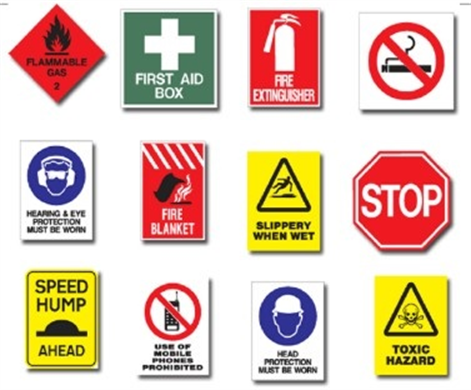 _
____ for prohibition
_____ for caution
_____ for positive action
_____ for mandatory actions
_____ for prohibitions and instructions
_____ for warnings
_____ for emergency and information signs
№9. Read and translate the text. Mark the statements as true or false and correct them:
Follow the guidelines below at all times. In the event of an accident, notify a supervisor and call emergency services.
When working on ladders, follow the 4:1 rule. Avoid falls from scaffolds and pump jacks by wearing a safety harness. Pay attention to the platform’s weight limit. Exceeding that limit can cause a collapse.
Ensure proper ventilation when working with toxic chemicals in closed spaces. Read the Material Safety Data Sheets (MSDS) thoroughly and take all recommended precautions.
Know the causes of each class of fire and the correct type of extinguisher to use on each type. Keep fire extinguishers on hand for Class A and B fires.
Never take water near an electrical ground. Wear rubber-soled boots to protect against electric shock.
Practice good trench safety. Never stack equipment or pile dirt near trench edges.
1) Not following the 4:1 rule can cause a scaffold to collapse.
2) Different classes of fire need different types of fire extinguishers.
3) Not wearing rubber-soled boots violates trench safety.
№10. Fill in the blanks with the correct words and phrases: toxic, trench safety, 4:1 rule, pump jack, material safety data sheet
1. According to the ________, you should wash your eyes thoroughly if the chemical gets in your eyes.
2. Position the ladder according to the _______.
3. Most deaths occur when the walls cave in, so it is important to follow ___guidelines.
4. When he finished installing the windows, Tim lowered the ______ to the ground.
5. This substance is ________ and will cause illnesses if inhaled.
№11. Read the sentence pair. Choose where the words best fit the blanks:
1. class / accident
A. The ______ a fire occurred when a piece of paper got too close to a stove.
B. An employee broke his leg in the _______ at the construction site.
2. scaffold / fall
A. Avoid a ______ by wearing a safety harness.
B. John stood on a ______ that was fifteen feet off the ground.
3. ground / ladder
A. The _______ was a metal rod installed into the foundation of the building.
B. Use a _______ to repair the gutter on the roof.
4. closed space / ventilation
A. Keep the window open to ensure proper ________.
B. Never use a toxic chemical in a _______.
№12. Match the words with their definitions:
| 1) regulation
2) requirement
3) precaution 4) explosion
5) damage 6) hazard 7) protect 8) avoid 9) evacuation 10) instruction | a) to keep someone or something safe from something dangerous or bad b) the activity of teaching or training someone, or the information you are being taught c) something that is dangerous d) something that you do to prevent bad things happening in the future e) to stay away from a person, place, situation, thing f) something that is needed or demanded g) harm or injury h) an official rule that controls how something is done i) to move people from a dangerous place to somewhere safer j) the action of something such as a bomb exploding |
№13. Read the dialogue and answer the questions:
Characters: Tom — experienced mechanic; Ben — new employee.
Tom: Hi, Ben! Welcome to the workshop. Before you start working, let’s go over some safety rules.
Ben: Sure, Tom. I’d like to know what I need to pay attention to.
Tom: First of all, you must always wear personal protective equipment (PPE). That includes safety goggles, gloves, and steel‑toed boots.
Ben: Got it. Safety goggles to protect my eyes from sparks or debris, gloves for handling sharp or greasy parts, and steel‑toed boots in case something heavy falls. Is that right?
Tom: Exactly! Also, never work on a vehicle that’s only supported by a jack. Always use jack stands — they’re much safer.
Ben: Makes sense. What about tools? Are there any rules for them?
Tom: Yes. Keep your tools in good condition and return them to their proper place after use. A loose wrench or screwdriver on the floor can cause someone to trip.
Ben: Understood. And what should I do if I notice a spill — oil or grease, for example?
Tom: Clean it up immediately. A slippery floor is a major hazard. We have absorbent mats for that. Also, make sure the workshop is well‑ventilated when working with chemicals or paints.
Ben: What if something goes wrong — say, I get a minor cut or feel dizzy from fumes?
Tom: There’s a first‑aid kit in the corner. For serious injuries or if you feel unwell, stop working and report it to the supervisor right away. We also have an emergency shutdown button for the equipment.
Ben: And are there any rules about lifting heavy parts?
Tom: Absolutely. Use mechanical lifts or ask a colleague for help. Never lift more than you can handle safely — back injuries are common in our job.
Ben: Thanks for the detailed explanation, Tom. It’s good to know these things from the start.
Tom: No problem. Safety is everyone’s responsibility. If you’re ever unsure about something, just ask. Better safe than sorry!
Ben: I’ll remember that. Let’s get to work then!
Who is Ben, and what is Tom’s role in the workshop?
What three items of PPE does Tom mention?
Why is it unsafe to work on a vehicle supported only by a jack?
What should Ben do if he notices an oil or grease spill on the floor?
Where is the first‑aid kit located?
What must Ben do if he feels unwell due to chemical fumes?
How can Ben safely lift heavy parts?



Вебинар для учителей
🎓 Свидетельство об участии ✨БЕСПЛАТНО!✨