Казахстан, Шымкент


СДЕЛАЙТЕ СВОИ УРОКИ ЕЩЁ ЭФФЕКТИВНЕЕ, А ЖИЗНЬ СВОБОДНЕЕ
Благодаря готовым учебным материалам для работы в классе и дистанционно
Скидки до 50 % на комплекты
только до
Готовые ключевые этапы урока всегда будут у вас под рукой
Организационный момент
Проверка знаний
Объяснение материала
Закрепление изученного
Итоги урока

Была в сети 28.09.2023 21:00

Отебек Алия Ергаликызы
учитель английского языка
 451
 117 486

Местоположение
Специализация
Краткосрочный план
Категория:
Английский язык
16.03.2017 16:36

Просмотр содержимого документа
«Краткосрочный план»
Short term plan
| Unit 6. Tradition and folklore LESSON: Hats and masks | School: Shubar secondary school | Тексерілді: | |||||
| Date:
| Teacher name: Otebek Aliya Ergalikyzy | ||||||
| CLASS: 1 “ABVG”
| Number present: | absent: | |||||
|
|
| ||||||
| Learning objectives(s) that this lesson is contributing to | 1.L1 recognise short instructions for basic classroom routines spoken slowly and distinctly 1.S3 pronounce basic words and expressions intelligibly 1.S1 make basic personal statements and simple statements about objects | ||||||
| Lesson objectives | All learners will be able to: Name the action verbs (cut, fold, stick, draw, open, colour ) with lots of support | ||||||
| Most learners will be able to: Name and demonstrate the given words with actions with some support | |||||||
| Some learners will be able to: Name and demonstrate the given words independently | |||||||
| Previous learning | Colours | ||||||
| Plan | |||||||
| Planned timings | Planned activities (replace the notes below with your planned activities) | Resources | |||||
| 5 min
| Greeting T: Hello, boys and girls
S: Good morning (3р.) to you!
Warm up activity. Students watch the video and listen carefully and repeat the actions. |
https://www.youtube.com/watch?v=PsUfpbGVkaE
| |||||
| 10 min
5 min
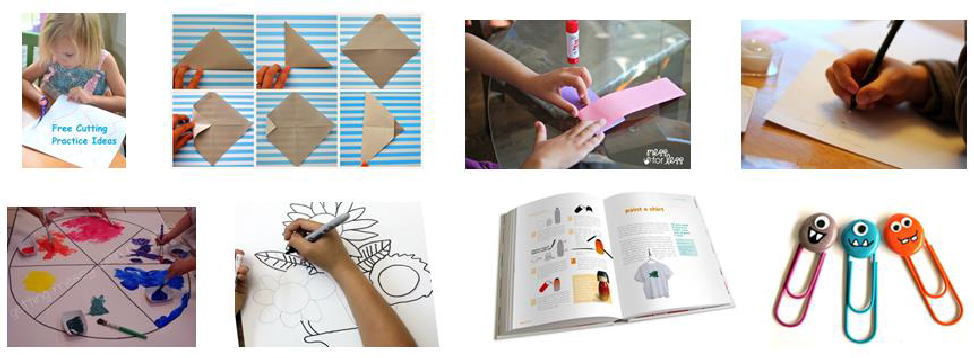
10 min | 1.Teacher demonstrates the action verbs by TPR and students repeat after teacher the following verbs: cut, fold, stick, draw, open, colour. Also teacher can use pictures or demonstrate PPT slides. 2. “What’s missing?” teacher sticks the cards on the board. Then after repeating several times T asks students close their eyes. After it T removes one card and asks Ss guess the missing card. 3. Miming game. If it’s difficult for sts to guess the miming, teacher can demonstrate PPP slides. Students are given the necessary things (paper, scissors, glue, pencils) and according to the mime the show the action. 4. Teacher gives each learner card, paper, scissors etc and play demonstration of how to make a traditional hat. Teacher gives simple instructions. | PPT slides Picture cards Scissors Papers Pencils Glue
https://www.youtube.com/watch?v=drs4CKqzJKo
| |||||
| 5 min | Reflection “Good bye” song Teacher gives her comments about students work and awards students giving images of different smiles
“Excellent” “Very well” “Good” | https://www.youtube.com/watch?v=PraN5ZoSjiY
Smiles faces | |||||
| Additional information | |||||||
| Differentiation – how do you plan to give more support? How do you plan to challenge the more able learners? | Assessment – how are you planning to check learners’ learning?
| Cross-curricular links | |||||
| More support can be given during instruction phase of the lesson to build confidence through participation. | Individual assessment of the personal progress | Education throughout life The world around us - Ensure proper ventilation Using pictures and videos, working with URLs | |||||
| Reflection Were the lesson objectives/learning objectives realistic? What did the learners learn today? What was the learning atmosphere like? Did my planned differentiation work well? Did I stick to timings? What changes did I make from my plan and why? | Use the space below to reflect on your lesson. Answer the most relevant questions from the box on the left about your lesson. | ||||||
| Summary evaluation What two things went really well (consider both teaching and learning)? 1:
2: What two things would have improved the lesson (consider both teaching and learning)? 1:
2:
| |||||||



Вебинар для учителей
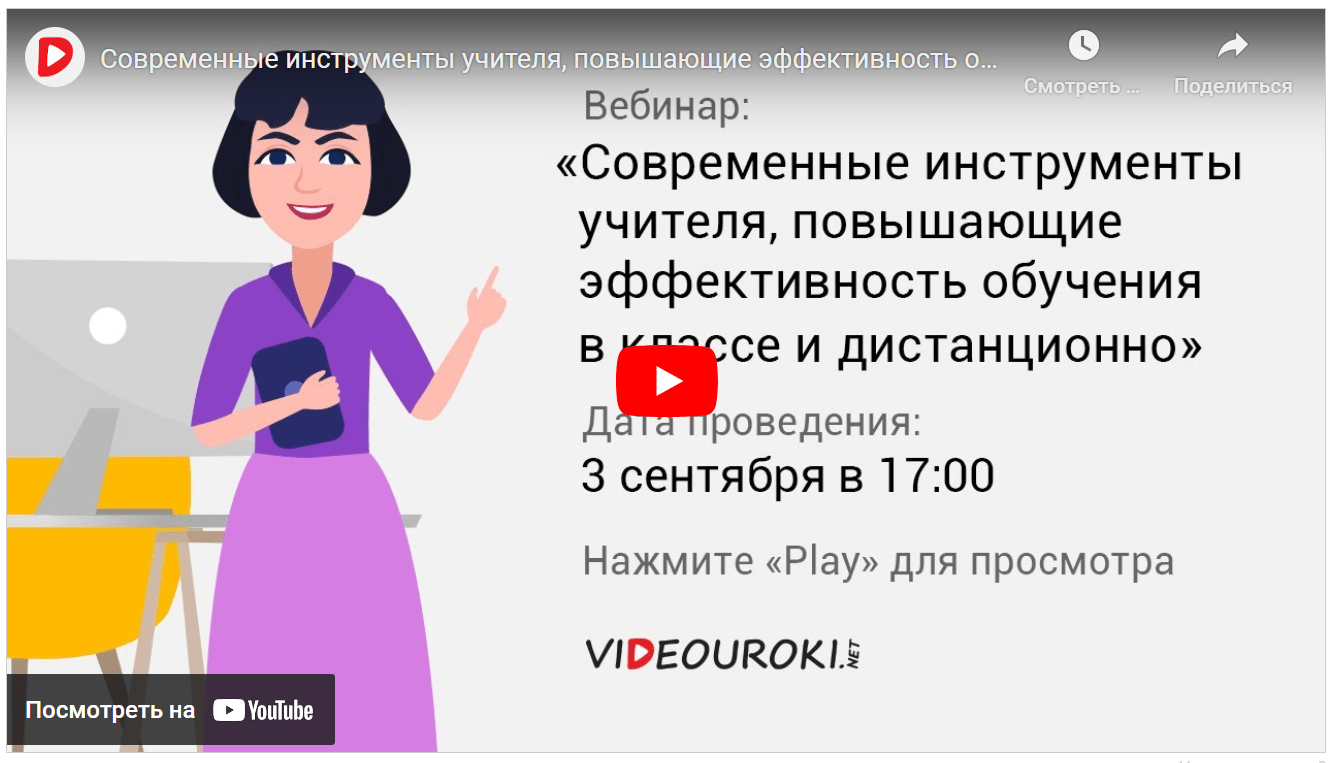
🎓 Свидетельство об участии ✨БЕСПЛАТНО!✨