Uzbekistan, Tashkent


СДЕЛАЙТЕ СВОИ УРОКИ ЕЩЁ ЭФФЕКТИВНЕЕ, А ЖИЗНЬ СВОБОДНЕЕ
Благодаря готовым учебным материалам для работы в классе и дистанционно
Скидки до 50 % на комплекты
только до
Готовые ключевые этапы урока всегда будут у вас под рукой
Организационный момент
Проверка знаний
Объяснение материала
Закрепление изученного
Итоги урока

Был в сети 30.04.2022 00:54

ХОДЖАЕВ РУСТАМЖОН ФАЙЗУЛЛА УГЛИ

ХОДЖАЕВ РУСТАМЖОН ФАЙЗУЛЛА УГЛИ
Учитель английского языка
 4 974
 13 173

Местоположение
Рассказать о сайте
English tests methodology
Категория:
Английский язык
17.02.2021 09:47

Просмотр содержимого документа
«English tests methodology»
1179 NEW CHEAT
SHEETS
for the teachers
of the English Language
4.1, 4.2 and 4.3 modules
... a learning activity which involves learners working together in pairs. *a) pair work
... are the guiding principles (often moral or ethical in nature) that govern behaviour; they are typically rooted in tradition, religion or in individual or shared philosophy and in education they help to inform decisions at all levels, from national policy right through to the classroom. *a) values
... is a teacher's detailed description of the course of instruction for one class. *a) A lesson plan
... is a teacher's detailed description of the course of instruction for one class. *a) A lesson plan
...is the most abstract of all three concepts and refers to the linguistic, psycho-and sociolinguistic principles. *a) approach
.…is teachers detailed description of the course of instruction for one class. *a) A lesson plan
_____ discover the language and familiarize themselves with the sound of English. *a) A1
______ between two evils” *a) it’s not worth while choosing
_______ a group activity in which learners have a free and relatively unstructured discussion on an assigned topic as a way of generating ideas. *a) Brainstorming
____________ has become the most important tool for delivering distance education. *a) Internet
____________ has become the most important tool for delivering distance education. *a) Internet
___________________ is that educational information and instruction is taught to learners who are physically distant from the source of that information and instruction *a) Distance education
___________________ is that educational information and instruction is taught to learners who are physically distant from the source of that information and instruction *a) Distance education
… a word or phrase used in an imaginative way to describe something else to show that the two things have the same Qualities *a) metaphor
… gives students the opportunity to prove they can communicate ideas effectively by simulating university classroom and student life communication. *a) IELTS academic module
… is a related activity, requires the pupils to only take notes of the key words used as they listen and then later reconstruct the text so that it has the same meaning as the original text although perhaps not exactly the same form *a) Dictogloss dictation
… is important because it shows what the teacher hopes to achieve in the lesson. *a) Lesson planning
… must be comprehensive enough to be a help to the teacher and it must provide all the recorder material. *a) Teachers’ books
… starts with the presentation of a rule and is followed by examples in which the rule is applied. *a) Deductive approach
… the system of structures at word, sentence and text level in a Language *a) grammar
… the words that come just before or after a word or phrase and help you to understand its meaning. *a) context
… was widely used in teaching the classics, namely Latin. *a) Grammar translation method
… which began to be widely used in schools in the 1870’s. *a) The direct method
…. a group activity in which learners have a free and relatively unstructured discussion on an assigned topic as a way of generating ideas. *a) brainstorming
…. all the words a person knows or uses *a) vocabulary
…. between two evils” *a) it is not worth while choosing
…...are statements of what is to be achieved in a course or lesson. They are detailed descriptions of exactly what a learner is expected to be able to do at the end of a period of learning. *a) Objectives
…...is used at the end of the term, semester, or year in order to measure what has been achieved both by groups and individuals *a) Summative assessment
…..is the task of grouping a set of objects in such a way that objects in the same group are more similar (in some sense or another) to each other than to those in other groups *a) cluster
…..the study of teaching methods and approaches. *a) pedagogy
….designed to show what level a student has reached at any one time, and are used by employers and universities, for example, who want a reliable measure of a student’s language abilities. *a) Proficiency test
….enables the learners to interact in a better way when giving ideas a) Communicative approach
….is a day in honor of those Americans who have given their lives to their country in all wars *a) Memorial day
…… are series of connected acts which have become automatic or semi-automatic as the result of repetitions. *a) Habits*
……...a group activity in which learners have a free and relatively unstructured discussion on an assigned topic as a way of generating ideas. *a) brainstorming
……….. is intended to enable students to give group presentations and assess their performance *b) oral presentation
……….are combination of specific useful habits, serving a definite purpose and requiring the application of definite knowledge *a) Skills
………… assessment of language allows teachers to see students using language in context, through tasks that require performance of language. *c) direct
…………. are directly related to the language courses taught to the examinees *b) Achievement tests
………….. provides valuable information regarding a number of core objectives related to students’ behavior. *b) observation of students
……………… is agreement between parts of the test *d) Consistency
……………format means that the examinees are given brief notes of a public address and the task is to “unfold” these brief entries into full text *c) Contextual
…enables the learners to interact in a better way when giving ideas *a) Communicative approach
…expose students to real language as it is used in real life situations by native speakers? *a) authentic materials
…is a mini-lesson that participants teach to each other *a) Microteaching
…is a person who helps an individual or a whole group to learn and/or express themselves. *a) Facilitator
…is a teacher’s detailed description of the course of instruction for one class *a) a lesson plan
A ___ is a self-contained section of the classroom in which students engage in independent and self-directed leaning activities. Get information on learning centers and how to incorporate them in to your instructional routine using this advice. *a) Learning Centers
A _____is a self-contained section of the classroom in which students engage in independent and self-directed learning activities. Get information …. *a) Learning Centers
A bird in the hand -------- *a) is worth two in the bush
A bird in the hand *a) is worth two in the bush
A chart to be filled in by learners or teacher-participants, often used to summarise ideas or to focus reflection *a) grid
A common reference for describing language learning, teaching. *a) CEFR
A common reference for describing language learning, teaching. *a) CEFR
A conversation can consist of up to ………. words per minute *a) 220
A conversation can consist of up to ………. words per minute *a) 220
A generalized set of classroom specifications for accomplishing linguistic objectives. Primarily concerned with teacher and student roles and behaviors and secondarily with such features as linguistic and subject-matter objectives, sequencing, and materials. They are almost always thought of as being broadly applicable to a variety of audiences in a variety of contexts. *a) Method
A good reading lesson has … *a) pre, while and post stages
A good reading lesson has … *a) pre, while and post stages
A good writing task should have _____, ________ and _________ stages *a) pre/ while / post
A group activity in which learners have a free and relatively unstructured discussion on an assigned topic as a way of generating ideas. *a) Brainstorming
A group of activity in which learners have a free and relatively unstructured discussion on an assigned topic as a way of generating ideas. *a) Brainstorming
A ------is a self-contained section of the classroom in which students engage in independent and self-directed learning ac…on learning centers and how to incorporate them in to your instructional routine using this advice. *a) Learning Centers
A learning activity which involves a small group of learners working together. The group may work on a single task, or on different parts of a larger task. Tasks for group members are often selected by the members of the group. *a) groupwork
A learning style … *a) is a specific way a person learns things.
A session plan is… *a) A compass
A silent period is recommended until learners are ready to produce at their own pace in the target language. *a) The Natural Approach
A task which replicates or resembles a real-life task, e.g. scanning an article for particular information; this may be contrasted with a task which is specifically designed for, and only relevant in, the classroom. *a) Authentic task
A teacher can make listening using the following *a) Asking the questions
A teacher uses talk to support vocabulary development by: *a) Establishing a role play/drama area, developing Stop Rewind activities, asking pupils to provide verbal feedback to written pieces and etc
A teacher uses talk to support vocabulary development by: *a) Establishing a role play/drama area, developing Stop Rewind activities, asking pupils to provide verbal feedback to written pieces and etc.
A teacher uses talk to support vocabulary development by: Establishing a role play/drama area, developing Stop Rewind activities, asking pupils to provide verbal feedback to written pieces and etc. *a) Displaying whole class vocabulary choices, for example by using images of the pupils, with speech bubbles showing good examples, providing a range of quality texts and text types that link to and extend the pupils‘ interests
A type of co-operative activity in which each member of a group has a piece of information needed to complete at reading work. *a) jig-saw activity
A type of co-operative activity in which each member of a group has a piece of information needed to complete a group task. *a) jig-saw activity
A type of co-operative activity in which each member of a group has a piece of information needed to complete at reading work. *a) jig-saw activity
A type of speed reading technique which is used when the reader wants to locate a particular piece of information without necessarily understanding the rest of a text or passage. For example, the reader may read a chapter of a book as rapidly as possible in order to find out information about a particular date, such as when someone was born. *a) Scanning
A type of speed reading technique which is used when the reader wants to locate a particular piece of information without necessarily understanding the rest of a text or passage *a) scanning
A type of speed reading technique which is used when the reader wants to locate a particular piece of information without necessarily understanding the rest of a text or passage. For example, the reader may read a chapter of a book as rapidly as possible in order to find out information about a particular date, such as when someone was born. *a) Scanning
A typical communicative activities involve … *a) Role-play, info-gap activities, jigsaw, etc.
A typical communicative activities involve… *a) Role-play, info gap activities, jigsaw, etc.
A typical feature of association methods in vocabulary instruction is… a. Encouraging learners to draw connections between what they do know and unfamiliar words
A typical feature of association methods in vocabulary instruction is…*a) encouraging learners to draw connections between what they do know and unfamiliar words
A typical feature of association methods in vocabulary instruction is… *a) encouraging learners to draw connections between what they do know and unfamiliar words
A word doesn’t depend on dictionary”. About what approach is this definition correct? *a) Non-traditional approach
A word family/ a group of related words is …. *a) Lexical set
A1 and A2 are…? *a) Basic user
A1….. *a) breakthrough
According to …. authentic materials are a way to contextualize language learning. *a) Gephard
According to CEFR B2 level is determined for *a) Vantage
According to CEFR B2 level is determined for *a) Vantage
According to CEFR C-2 level is determined for: ________. *a) Mastery
According to long term observations early teaching of foreign languages. It gives an emphasis on writing skills rather than ORAL *a) It opens a broad way to write a better composition.
According to the teachers point of view dictation activities work well in the classroom and such kind of activities make better… *All answers correct
According to Webster’s Third New International Dictionary, methodology is…" *a) "“a body of methods, procedures, working concepts, rules and postulates employed [...] in the solution of a problem or in doing something”"
Acquired language is called … *a) L2
Active vocabulary is ... *a) The numbers of words students can confidently use in speaking and writing
Active vocabulary is… *a) The number of words students can confidently use in speaking and writing
Activity *a) A short task which is a part of a lesson
Advantages of using pair and group work – *a) all pupils are active
Affixes are ….*a) prefixes and suffixes
All advertising must …..the right product image. *a) boost
All the hotel in the town was full up so we stayed in a ______village. *a) nearby
All the words that someone knows, learns or uses… *a) Vocabulary
An activity in which a pair or two group of students hold different cards, where one partner knows something that the other doesn’t. *a) Information gap
An activity in which a pair or two groups of students hold different information, or where one partner knows something that the other doesn’t. *a) Information gap activity.
An activity in which a pair or two groups of students hold different information, or where one partner knows something that the other doesn't. This gives a real purpose to a communication activity. *a) Information gap activity
An activity in which a pair or two groups of students hold different cards, where one partner knows something that the other does not *a) Information gap
An activity in which a pair or two groups of students hold different information, or where one partner knows something that the other doesn’t. *a) Information gap activity.
An activity in which a pair or two groups of students hold different cards, where one partner knows something that the other doesn’t *a) information gap
An activity to make learners feel less nervous inhibited when they first meet. *a) Ice-breaker
An activity to make learners feel less nervous inhibited when they first meet. *a) Ice-breaker
An activity which involves re-ordering a mixed up text to find its correct order; it helps learners see the connections between parts of a written text. *a) jigsaw reading
An activity which involves re-ordering a mixed up text to find its correct order; it helps learners see the connections between parts of a written text. *a) jigsaw reading
An activity which involves re-ordering a mixed up text to find its correct order; it helps learners see the connections between parts of a written text. *a) jigsaw reading
An approach is a way of looking at________________ *a) teaching and learning
An approach is a way of looking at________________ *a) teaching and learning
An informal interview may improve student`s____ skills *a) Speaking
Another reason for using authentic materials is that……..*a) they represent an unlimited source for planning and organizing teaching and learning activities;
Anticlockwise is ….*a) In the opposite direction to the movement of the hands of a clock.
Any of a wide variety of exercises, activities, or devices used in the language classroom for realizing lesson objectives. *a) Technique
Any of a wide variety of exercises, activities, or devices used in the language classroom for realizing lesson objectives. *a) Technique
Any of a wide variety of exercises, activities, or devices used in the language classroom for realizing lesson objectives. *a) Technique
Apostrophe is used….*a) all answers are correct
Applied linguistics… *a) the study of second and foreign language acquisition and learning the study of language and linguistics in relation to practical problems, such as lexicography, translation or speech pathology.
Approach is … *a) Theoretical positions and beliefs about the nature of the language, the nature of language learning, and the applicability of both pedagogical settings
Approach is ….*a) theoretical positions and beliefs about the nature of the language, the nature language learning and the applicability of both pedagogical settings
Approach is …..*a) Theoretical positions and beliefs about the nature of the language, the nature of language learning, and the applicability of both pedagogical settings
Approach is defined…..*a) it is theoretical part of teaching foreign language
Are pair and group work effective? *a) Yes
Are series of connected acts which have become automatic or semi-automatic as the result of….. repetitions. *a) skills
Are speaking activities successful? *a) Yes
Ask right questions to get needed of information from others is… *a) eliciting
Ask right questions to get needed piece of information from others is … . *a) eliciting
Assesment is …… *a) The measurement of the ability of a person or the quality or success of a teaching course, etc. Assessment may be by test, interview, questionnaire, observation and so on.
Assessment is … *a) the measurement of the ability of a person or the quality or successes of a teaching course
Assessment is … *a) the process of gathering and evaluating information on what students know, understand and can do …
Assessment is the process of …..*a) gathering and evaluating information;
Assessment….*a) The measurement of the ability of a person or the quality or success of a teaching course, etc. Assessment may be by test, interview, questionnaire, observation and so on.
Association method – *a) encouraging learners to draw connection between what do they know and unfamiliar words
At the end of a term, semester or year, we may want to do a final (sometimes called an exit test) to see how well students have learnt everything. Their results on this test may determine what class they are placed in next year (in some schools, failing students have to repeat a year), or may be entered into some kind of school-leaving certificate *a) Achievement test
Attitudes…. *a) the way that a person thinks and feels about somebody, something; the way that a person behaves towards somebody, something that shows how he, she thinks and feels. In a classroom this may show itself in a teacher‘s attitude to learners or in a learner‘s attitude to a foreign language and the culture associated with it, for example.
Auditory learner is … *a) They learn best through verbal lectures, discussions, talking things through and listening to what others have to say. Auditory learners interpret the underlying meanings of speech through listening to tone of voice, pitch, speed and other tones.
Auditory learners *a) those people who learn in information best by listening
Auditory learners *a) those people who learn in information best by listening
Auditory learners *a) those people who learn information best by listening
Auditory learners prefer to learn by … *a) Listening or hearing
Auditory learners: *a) They learn best through verbal lectures, discussions, talking things through and listening to what others have to say.
Auditory learners: *a) They learn best through verbal lectures, discussions, talking things through and listening to what others have to say. Auditory learners interpret the underlying meanings of speech through listening to tone of voice, pitch speed and other tones.
Authentic material can be used … *a) to promote motivation
Authentic materials - nima *a) gazeta, jurnal materiallari, audio, video materiallari, entsiklopediya materiallari, tarixiy faktlar va hakozolardir
Authentic materials can involve the…………………… *a) students to real language as it is used in real life situations by native speakers
Authentic materials can involve the…………………… *a) students to real language as it is used in real life situations by native speakers
Authentic materials can involve the…………………… *a) students to real language as it is used in real life situations by native speakers
Authentic materials….. *a) texts from real life sources
Authentic materials….. *a) texts from real life sources
Authentic materials…… *a) expose students to real language;
Authentic materials…… *a) texts from real-life sources
Authentic task is…*a) A task which replicates or resembles a real-life task, e.g. scanning an article for particular information; this may be contrasted with a task which is specifically designed for, and only relevant in, the classroom.
Authentic task…. *a) *A task which replicates or resembles a real-life task, e.g. scanning an article for particular information; this may be contrasted with a task which is specifically designed for, and only relevant in, the classroom.
Authentic text *a) Texts which are taken from newspapers, magazines, etc., and tapes of natural speech taken from ordinary radio or television programmes, etc.
Authentic text is…. *a) Texts which are taken from newspapers, magazines, etc., and tapes of natural speech taken from ordinary radio or television programmes, etc. When a teacher prepares texts or tapes for use in the classroom, he/she often has to use simplified texts as opposed to authentic texts.
Authentivity *a) The degree to which language teaching materials have the qualities of natural speech or writing.
Autonomous Learning *a) The process of learning without being controlled by anyone else.
Basic user …? *a) A1,A2
Beckon – *a) to signal with your hand in order to tell that person to come closer
Beliefs….. *a) the convictions that a teacher has about teaching or a learner about learning. When beliefs become dogma, they may inhibit professional development in a teacher or successful learning in a learner
Below is the question taken from the conversation between Teacher and Observer. Decide which question belongs to teacher. *a) what do you think I could change next time?
Below is the question taken from the conversation between Teacher and Observer. Decide which question belongs to teacher *a) what do you want me to focus in on my lessons?
Below is the question taken from the conversation between Teacher and Observer. Decide which question belongs to observer *a) what do you want me to focus in on your lessons?
Benefits of dictations … *a) all answers are correct
Bilingual person is … *a) able to speak 2 languages equally well
Blog *a) A shared on-line journal where people can post diary entries about their personal experiences and hobbies
Bodily-kinesthetic intelligence … *a) expresses itself in physical activities and movement: role-play, games, making posters and doing projects.
Brainstorming …. *a) encourages learners to produce the idea of solving practical and scientific problems individually or in groups
Brainstorming ….. *a) collecting ideas very quickly
Brainstorming is…*a) a group activity in which learners have a free and relatively unstructured discussion on an assigned topic as the way of generating ideas
Brainstorming is……………. *a) a group activity in which learners have a free and relatively unstructured discussion on an assigned topic, a way of generating ideas without judging them
Brainstorming is…………….. *a) its technique for generating new ideas on a topic
Brainstorming is……………..*a) its technique for generating new ideas on a topic
Broughton specifies the most typical features of the grammar-translation method, which are…" *a) "rules, [its] examples, its paradigms [...] and related exercises"
Building friendly classroom relationships with and between learners. *a) building rapport
Building Rapport- *a) building friendly classroom relationship with and between learners
Building rapport is…. *a) Building friendly classroom relationships with and between learners.
CALL is…….. *a) Computer Assisted Language Learning
Can handle very short social exchanges even though they don’t understand enough to keep the conversation going themselves…… What level is it? *c) A2
Can handle very short social exchanges even though they don’t understand enough to keep the conversation going themselves…… What level is it? *a) A2
Case study is……………………… *a) about a person, group, or situation that has been studied over time.
Case study is……………………… *a) about a person, group, or situation that has been studied over time. This method often involves simply observing what happens to, or reconstructing the history of this method a single participant or group of individuals
CEFR is …… *d) descriptive document
CEFR is not…. *b) theoretical document
CEFR is not….. *a) theoretical document
CEFR is……………. *a) Common European Framework of References
CEFR is……………. *a) Common European Framework References
CEFR is……………. *a) Common European Framework References
CEFRL is……. *a) Common European Framework of Reference for Languages
Characteristics of teaching grammar through songs and rhymes *a) Since they provide authentic texts, they are motivating and they can also be used to teach a variety of language items such as sentence patterns, vocabulary, pronunciation, rhythm, adjectives, and adverbs.
Choose an appropriate definition to "technique" *a) technique is just one single procedure to use in the classroom
Choose an appropriate definition to “ technique” *a) Technique is just one single procedure to use in the classroom
Choose an appropriate definition to “technique” *a) technique is just one single procedure to use in the classroom
Choose the amount of lexical units the pupils must acquire in a foreign language after finishing Grade 4. *a) 500
Choose the amount of lexical units the pupils must acquire in a foreign language after finishing Grade 4. *a) 500
Choose the appropriate levels of CEFR *a) A1, A2, B1, B2, C1, C2
Choose the appropriate levels of CEFR *a) A1, A2, B1, B2, C1, C2
Choose the best answer to the following. …… draws upon some changes and innovations coming mainly from applied linguistics, so I am going to give a summary of changes about language nature and its knowledge. Language is considered a social phenomenon by this approach, as it is a means of communication and interaction between members of a *a) The communicative Approach
Choose the classical method of teaching *a) Grammar translation method
Choose the classical method of teaching *a) Grammar translational method
Choose the correct useful English websites for teaching and learning English language *a) eslpartyland.com, eslvideo.com, dictionary.com
Choose the genre of literature *a) horror, mystery, science fiction, fantasy, historical fiction, romance, adventure story.
Choose the inputs of auditory children *a) songs, chants, poems, stories read aloud, environment sounds (rains, cars, trucks, animals, vacuum cleaners, computer’s printers, people walking)
Choose the inputs of auditory children *a) songs, chants, poems, stories read aloud, environment sounds (rains, cars, trucks, animals, vacuum cleaners, computer’s printers, people walking)
Choose the inputs of auditory children *a) Songs, chants, poems, stories read aloud, environment sounds (rains, cars, trucks, animals, vacuum cleaner, computer’s printers, people walking)
Choose the inputs of auditory children *a) songs, chants, poems, stories read aloud, environment sounds (rains, cars, trucks, animals, vacuum cleaners, computer’s printers, people walking)
Choose the inputs of auditory children. *a) like to learn new information by hearing it
Choose the inputs of tactile children *a) real life objects that children touch can as well as toys and puppets (it is important to make sure that the child can actually touch the objects and not merely look at them
Choose the inputs of tactile children *a) real life objects that children touch can as well as toys and puppets (it is important to make sure that the child can actually touch the objects and not merely look at them
Choose the inputs of tactile children *a) real life objects that children touch can as well as toys and puppets (it is important to make sure that the child can actually touch the objects and not merely look at them
Choose the inputs of visual children *a) pictures such as drawings, sketches, photograph, paintings, posters, murals, diagrams
Choose the inputs of visual children *a) pictures such as drawings, sketches, photograph, paintings, posters, murals, diagrams
Choose the inputs of visual children *a) pictures such as drawings, sketches, photograph, paintings, posters, murals, diagrams
Choose the right answer. We communicate orally in different ways… *Monologue, dialogue
Choose the strategy which matches the example. - I make notes about how native speakers use English in films and TV shows. *a) paying attention to language use
Choose which unit a pronunciation resource book listed a-d, a teacher could use to help her students with their pronunciation problems. – Students sometimes mispronounce words, which have the same spelling but a different meaning, such as to record/a record, to present/a present. *a) Distinguishing parts of speech through stress
Choose which unit in a pronunciation resource book listed a-d, a teacher could use to help her students with their pronunciation problems. Students pronounce each word separately, so their speech doesn’t sound smooth. *a) Practicing linking
Classroom activities in which students take the roles of different participants in a situation and act out what might typically happen in that situation. *a) role play
Classroom management *a) The way a teacher organizes her classroom and learners (e.g. how the furniture is organized, when to start and stop activities)
Classroom or training activities which reproduce or simulate real situations and which often involve learners/participants in playing roles and group discussion in order to solve a problem or complete a given task. *a) simulation
Clockwise *a) Moving around in the same direction as the hands of a clock.
Cluster is……………… *a) is the task of grouping a set of objects in such a way that objects in the same group (called a cluster) are more similar (in some sense or another) to each other than to those in other groups
Cluster is……………… *a) is the task of grouping a set of objects in such a way that objects in the same group (called a cluster) are more similar (in some sense or another) to each other than to those in other groups
Cluster methods is ….? *a) a type of cooperative activity in which number of a group has a piece of information needed to complete a group task
Cluster Methods is …? *a) the task of grouping a set of objects in such a way that objects in the same group are more similar.
Comments or information learners receive on the success of a learning task, either from the teacher or from other learners. *a) feedback
Communicating in English – nima *a) darsning ingliz tilida o’tilishiga asoslanishdir
Communicative language teaching makes use of ….. *a) real life situations that necessitate communication
Communicative language teaching makes use of… *a) Role-play situation
Complete the sentence. A good … task should have … purpose, relevant and interesting to learners *a) Writing, communicative
Complete the sentence. A good … task should have … purpose, relevant and interesting to learners *a) Writing, communicative
Complete the sentence. A good writing task should have…., …. and …. stages. *a) Pre, while, post
Complete the sentences. A GOOD…. task should have ….purpose, relevant and interesting to learners *a) writing, communicative
Comprehensible Input *a) Input language which contains linguistic items that are slightly beyond the learner‘s present linguistic competence.
Concerning writing, Donald H.Graves makes a notable point: writing is …*a) communication
Constructivist teaching involves … *a) Negotiation and scaffolding
Context *a) The ideas or content which occurs before and/or after a word, a phrase or even a longer utterance or text.
Controlled writing.. *a) is used for teaching the mechanics of accuracy and readiness for the further writing. It is completely controlled by the teacher.(text, copying the text, working on handwriting, dictations)
Correction by a learner of her/his own mistakes – usually possible only in the case of post-systematic errors. *a) self-correction
Criteria of successful speaking activities: *a) PW + GW STT TTT
Demerits of communicative approach_________________ *a) ignores grammar and structures
Demerits of communicative approach_________________. *a) ignores grammar and structures
Designs for carrying a particular language program. Features include a primary concern with the specification of linguistic and subject-mater objective, sequencing, and materials to meet the needs of a designated group of learners in a defined context *a) Syllabus
Develop vocabulary through the use of ICT by: *a) all answers are correct
Diagnostic tests – *a) identify students’ strength and weaknesses
Dictation gives pupils …. *a) all answers are correct
Dictation makes the pupils and the teacher aware of the pupils' comprehension on ..… errors *a) phonological and grammatical
Dictoglos dictation activity is … *a) It is such kind of dictation where listener listens twice the text and writes some of notes.
Differentiation involves … *a) an implementation of developing learning
Disadvantages of using pair and group work *a) the class is noisy
Discuss the situation with your partner!”,- what method is used in this instruction? *a) In pairs
Discussion is … *a) sharing ideas
Discussion is …. *a) an active method of sharing opinions on a specific problem individually and freely
Discussion is….. *a) an active method of sharing opinions on a specific problem individually and freely
Distance education a) *The education of students who may not always be physically present at a school.
Distance education is _______________ the traditional education *a) different from
Distance education is _______________ the traditional education *a) different from
Distance education is that educational information and instruction is taught to learners…. *a) All answers are correct
Do you know the abbreviations TTT and STT mean? *a) Teacher Talking Time and Student Talking Time
Does the material contain pre-while –post- reading tasks? Students read very quickly in order to give answers to one or two general questions. a)While- task
Dos of developing listening skills are … *a) Make sure that students know why they’re listening
Dos of developing listening skills are… *a) Use visual aids to support listening comprehension, brainstorm learners` ideas on the topic
DUET, as one of the intensive teaching training course of the English Language based on: *a) two modules; face-to-face, distance module
Effective learning of a foreign language depends on the pupils … *a) Memory
Effective operational proficiency. Certificate in advanced English is… *a) Level C1
Effective, modern methods of teaching listening skills encompass everything from interactive exercises to ………………….. resources *a) multimedia
Effective, modern methods of teaching listening skills encompass everything from interactive exercises to ………………….. resources *a) multimedia
EFL is…………. *a) English as Foreign Language
EFL stands for …. *a) English as a Foreign Language
Elicitation *a) Techniques or procedures which a teacher uses to get learners to actively produce a response.
E-mail is… *a) electronic mail
E-mail is… *a) electronic mail
ESL is…………… *a) English as Second Language
Essential methods of teaching EFL to young learners are based on…. *a) role plays; communicative methods; total physical involvement.
Exam KET is……………. *a) Key English Test
Exam KET is……………. *a) Key English Test
Extracurricular activities *a) Educational activities not falling within the scope of the regular curriculum
Facilitate *a) To make a learning process possible or easier; to work with a group in order to help them to articulate ideas.
Facilitator *a) a person who helps an individual or a whole group to learn and/or express themselves.
FCE is………. *a) First Certificate in English
FCE means … *a) First Certificate in English
Feedback *a) (in teaching) Comments or information learners receive on the success of a learning task, either from the teacher or from other learners.
Feedback is …. *a) Comments or information learners receive on the success of a learning task, either from the teacher or from other learners
Feedback is…………. *a) evaluative information derived from such a reaction or response
Feedback is…………. *a) evaluative information derived from such a reaction or response
Fill in the gaps? The case method combines _____elements: the case itself and the discussion of that case. *a) 2
Fill the gap. … has become the most important tool for delivering distance education. *a) internet
Fill the gap. … has become the most important tool for delivering distance education. *a) internet
Fill the gap… has become the most important tool for delivering distance education *a) Internet
Fill the gaps. A good writing task should have _____, ________ and ________ stages. *a) pre, while and post
Fill the gaps. A good writing task should have _____, ________ and ________ stages. *a) pre, while and post
Find a word which has a prefix and suffix *a) disappearing
Find correct definition for Question Dictation. *a) This fun ESL dictation is ideal for reading comprehension practice. Stick numbered questions about your target text in different places outside the classroom. Divide the students into pairs.
Find correct definition for Running Dictation *a) Here is one of the most popular types of ESL dictation. Stick a text on a wall outside the classroom. Divide the students into pairs. One student is the 'reader' and the other is the 'writer'. The readers run to the text, read a sentence or two, remember it, run back and tell their writer.
Find correct definition for Shouting Dictation *a) This ESL dictation helps students with their communication and listening skills. Divide the students into pairs (A and
Find correct definition for Silent Dictation *a) In this amusing ESL dictation, students dictate a text to a partner by whispering. Divide the students into pairs (A and B). Put the chairs into two rows with the seats facing each other. Make the space between the two rows quite large. The pairs sit opposite each other.
Find correct tip for dictating. *a) It`s important to pause to make sense of a text
Find group work activity below. *a) Role play
Find out real-situations where people listen the other people in their native language. *a) Radio, telephone conversation, interviews
Find out real-situations where people listen to other people in their native language *a) Radio news, telephone conversation, interviews
Find out the characteristic feature of Wild dictation *a) refers teacher to learner independent type
Find out the name of A1 level of CEFR *a) Basic User
Find out the name of A1 level of CEFR *a) basic User
Find out the objective of the while stage in listening *a) jigsaw listening
Find out the objective of the while stage in reading *a) Practice reading for gist
Find out the objective of the while stage in reading *a) students scan the text to find the name of the…
Find speaking activity *a) find someone who
Find strategies of reading *a) scanning and skimming
Find the advantages of the pair and group work below? *a) Group and pair work involve learners to the learning process
Find the aspects of speaking? *a) accuracy and fluency
Find the correct criteria for successful speaking activities. *a) PW+GW STTTTT
Find the correct ways of teaching listening. *a) give questions about the passage, preteach some unknown words
Find the disadvantages of the pair and group work below? *a) The class becomes noisy
Find the discription and the purpose of the “Cloze exercise” reading technique *a) fill-in-the blank exercise, in which some words are ommited, designing to measure how well the reader understands how a text is linked together
Find the discription and the purpose of the “Outlining ” reading technique *a) note-taking technique designed to help the reader to see overall organization of the text
Find the discription and the purpose of the “Passage competition ” reading technique *a) Finishing a reading passage (orally or in writing): involves predicting a logical or suitable conclusion based on a through understanding of a text
Find the discription and the purpose of the “Scrambled stories” reading technique *a) The reader re-orders the mixed up pieces of a text to show he understands how a text fits together
Find the effective reading strategies *a) I look at titles, subtitles, pictures and other visuals before reading
Find the equivalent of aural-oral approach *a) Audio lingual approach
Find the ineffective reading strategies. *a) I ask my teacher for help whenever I meet a word I don`t know
Find the name of the story. Once upon a time there was a young prince, who believed in all things but three. He didn`t believe in princess, he didn`t believe in islands, he didn`t believe in God…. *a) The prince and the magician
Find the name of the story. This is a story of a long fight between an old, experienced fisherman and the best fish he ever caught. Santiago has returned to the village without any fish for 84 days. The young boy who helps Santiago is told by his parents to join another boat. But the young boy continues to help the fisherman at night… *a) The Old Man and the Sea
Find the purpose of the following listening activity: Listen to an announcement in the train station and complete the formation about the trains leaving to Manchester. *a) Listening for specific information
Find the purpose of the following listening activity: Listen to the story and write a title for it. *a) Listening for gist
Find the purpose of the following listening activity: Listen to the description of a house and draw it *a) Listening for details
Find the readers’ statements with the ways of reading:“Looking at words around a word you don’t understand can help guess its meaning” *a) deducing meaning from the context
Find the stage of the lesson: Students read very quickly in order to give answers to one or two general questions. *a) -while stage
Find the stage of the task. After reading the first paragraph/sentence of the text students read several possible continuations of the story and then predict which one the author used *a) while
Find the stage of the task. Before reading the teacher introduces some new words. *a) pre
Find the stage of the task. Students complete a detailed True/False exercise. *a) while
Find the stage of the task. Students discuss topics related to the content of the text. *a) pre and post
Find the stage of the task. Students draw or use pictures from magazines to create an illustration for the story. *a) while and post
Find the stage of the task. Students infer the meaning of selected words and expressions from the context. *a) while
Find the stage of the task. Students read very quickly in order to give answers to one or two general questions. *a) while
Find the stage of the task. Students scan the text to find the name of the main character. *a) while
Find the stage of the task. Students write a paragraph, which could come immediately before the beginning of the story. *a) Post
Find the stage of the task. The teacher draws attention to some of the grammar in the text. *a) while
Find the statement for lesson objective. *a) Things that you want to achieve with an activity, task, lesson or a session
Find the strategies of reading. *a) Scanning and skimming
Find the strategies of reading. *a) Skimming and scanning
Find the teachers’ comments with the aspects of listening. “ My students find it hard to recognize the pronunciation of individual words and sounds when they hear people speak in the street” *a) working with authentic texts
Find the teachers’ comments with the aspects of listening. “It’s nice if learners can just listen to a story and enjoy it without doing a task on it.” *a) activating students’ knowledge of the world
Find the teachers’ comments with the aspects of listening. “The first listening task I give my students is usually one in which they have to decide on the general meaning of the text” *a) listening for gist
Find the types of extracurricular activities below? *a) debates, sports, drama
Find the types of learning style *a) tactile, visual, kinesthetic, auditory
Find the ways of listening. “ When listening some important news we might want to make sense of every word to find out what exactly happened and why.” *a) listening extensively
Find the ways of listening.- ” When listening to a train announcement for specific information we might simply need to hear some times” *a) listening intensively
Flash cards can be used for…*a) telling a class a story
Fluency *a) In second and foreign language teaching, fluency describes a level of proficiency in communication, which includes:
For auditory learners I recommend: *a) Ask your teacher for oral explanations if you do not understand something; read aloud when you study at home; listen to tapes.
For kinesthetic learners I recommend: *a) draw something on your notes to remember information better; move around your room while you are learning at home; take frequent breaks.
For visual learners I recommend: *a) look at pictures before you read a text; look at a person who speaks with you.
For what it is important to know the level of the students before planning the lesson? *a) For identifying the role of each activity
For what purpose is used brainstorming? *a) (in language teaching) a group activity in which learners have a free and relatively unstructured discussion on an assigned topic as a way of generating ideas.
Forms of formative assessment *a) individual, pair and group work, homework tasks, indirect(implicit)form using different questions or plays
Forms of formative assessment *a) Oral, written, individual, group work…
Forms of formative assessment. *a) test, matching, multiple choice
Forms of formative assessment? *a) individual, pair and group work, homework tasks, indirect (implicit) form using different questions or plays
From practice to rules” is the principle of ….*a) inductive learning
From rule to practice” is the principle of … *a) deductive learning
From what is the word “Dictation” origin from? *From Latin “dicto” to speak
Games can be catagorized differently. *a) For dividing large groups into small ones, introduction games, grammar games, storytelling games, vocabulary games. They may also be differentiated according 4 language skills.
Games can be found to give practice in all__________ (reading, writing, listening and speaking *a) the skills
Games can be found to give practice in all__________ (reading, writing, listening and speaking) *a) the skills
Give a topic and ask learner to think of anything related to it. *a) Brainstorming
Give the definition of “Group work” *a) mode of doing a task or activity in small groups
Give the definition of “Pair work” *a) mode of doing a task or activity in pairs.
Give the English equivalents for the following Russian/Uzbek words and use them in sentences of your own" What is the focus of this task? ~ What skills are targeted in this task? *a) Focuses on word-for-word translation of isolated words and doesn't not target any skills but simply tests the knowledge of one meaning of each Uzbek/Russian word
Good operational command of the spoken language able to handle communication in most situations. *a) C1
Graphic organizers guide learners…… *a) thinking as they fill in and build upon a visual map or diagram;
Has a very basic range of simple expressions about personal details and needs of a concrete type. *a) A1
Has enough language to get by, with sufficient vocabulary to express him/herself with some hesitation and circumlocutions on topics such a family hobbies and interests, work travel and current events, but lexical limitations cause repetition and even difficulty with formulation at times. What level is it? *a) B1
How can we raise our speaking skills? *a) all are true
How do auditory learners learn best? *a) by hearing
How do visual learners learn best? *a) by seeing
How is the activity called? Give each group a box with buttons. Explain that each group will get a picture. Groups should describe the picture. Say that in groups participants should make up as many sentences describing this picture as possible. Ask them not to pay attention to possible mistakes. Ask to choose the most active person in a group to be a secretary. The secretary does not make any sentences, but ticks each new sentence of other members in a notebook without writing sentences down. Say that a participant making up a sentence takes a button from the box, so at the end of the activity the contribution of each member of the group is clear by a number of buttons s/he has near her/him. It is important that all the participants have an approximately equal number of buttons. Give them 4 minutes. *a) Picture description.
How is the test must be made on ……..? *a) the pervious theme which was learned
How long should the text be for dictations? *a) A short text
How many aspects in speaking? *a) 2
How many challenges will be discussed along with solutions to help teachers using direct assessment in language classrooms *a) 3
How many criteria in the CEFR? *a) 5
How many criteria in the speaking scales in the CEFR? *a) 5
How many criterias are there in CEFR? *a) 6
How many demerits of communicative approach do you know? *a) 4
How many distinct words the “Neurolinguistic programming “ can be broken down? *a) 3
How many formats is IELTS available in? *a) 2
How many forms of speaking exist in a language? *a) 2
How many groups can listening, speaking, reading and writing be classified into? *a) 2
How many language skills are in teaching English? *a) 4: speaking, reading, writing, listening
How many levels are there in CEFR? *a) 6
How many levels are there in CEFR? *a) 6
How many levels of CEFR are there? *a) 6
How many people have taken the TOEFL test since 1964? *a) More than 22 million people
How many people have taken TOEFL test since 1964? *a) 22 mln. People
How many stages does lesson planning have in storytelling lessons? *a) 3
How many steps of listening activities? *a) 3
How many types of feedback do you know? *a) 10
How many types of learning styles? *a) 3
How many types of reading are there? *a) 4
How many types of reading do you know? *a) 2
How many types of vocabulary are there? *a) active and passive
How the meanings of words are given in monolingual dictionary? *a) English-English
How’s called an activity to make learners feel less nervous or inhibited when they first meet? *a) icebreaker
I always repeat things aloud for myself. "What is the student's dominant learning style? *a) Auditory
I always use colored pens to highlight my notes" What is the student's dominant learning style? *a) Visual
I can write very simple personal letters expressing thanks and apology. What level is it? *c) A2
I like to have something in my hand to squeeze or play with during a lesson. "What is the student's dominant learning style? *a) Tactile
I like to talk when I write. *a) auditory
I wish he wouldn’t keep clicking his pen. It’s getting _________________. *a) on my nerves
I would rather start doing an activity instead of listening to instructions about how to do it." What is the student's dominant learning style? *a) Kinesthetic
Ice-breaker…. *a) An activity to make learners feel less nervous or inhibited when they first meet.
ICT core competencies are………*a) searching, creating, teaching and evaluating
Identify one of the roles of language lab in learning English *a) helps pupils develop proficiency in learning by using audio visual aids
Identify the technique for presenting vocabulary *a) Real objects, Gestures and acting opposite words
Identify this sentence according to its types: “My family came to Germany when I was in grade 5, but I never learned to speak German well.” *a) compound-complex
Identify this sentence according to its types: “While I was doing my homework and my mother was cooking the dinner, my father was asleep in front of the television.” *d) Compound-complex
Identify whether the given task in the list is designed for (–post reading stage) *a) Learners discuss topics related to the content of the text
Identify whether the given task in the list is designed for (–pre reading stage) *a) Before reading a teacher introduces some new words
IELTS is available in two formats –___________________training *a) Academic and General
IELTS is available in two formats –_______________training *a) Academic and General
IELTS is managed by University of…… *a) Cambridge
IELTS is… *a) International English Language Testing System
IELTS is…….. *a) International English Language Testing System
If a teachers bring some real objects into the classroom, he … *a) uses realia
If the PC is physical body of a man, then what is it's mental body? *b) Software
Immersion – *a) ESL students at school take all subjects in English. They take part in class and school activities with native English students their own age
In dictations we use: *a) Words and pictures
In general, the systematic gathering of information for purposes of decision making. It uses quantitative methods (e.g. tests), qualitative methods (e.g. observations, ratings) and value judgments *a) Evaluation
In IELTS the General training module emphasizes…… . *a) language skills in broad social and work place contexts.
In inductive presentation *a) Pupils work out grammar rules themselves with the help of a teacher
In inductive presentation *a) pupils work out grammar rules themselves with the help of the teacher
In modern Method grammar must be taught in… *a) context
In Modern Method grammar must be taught in…. *a) context
In second and foreign language teaching, it describes a level of proficiency in communication, which includes: the ability to produce written and/or spoken language with ease and without significant hesitation; *a) fluency
In teaching grammar the teachers follow the … given in Teacher’s books *Recommendations
In testing or teaching: a device in which the learner is presented with a question along with four or five possible answers from which one must be selected *a) multiple-choice
In the teaching learning process using TPR method, teacher plays ……… and ………….. *a) an active, direct role
In the teaching learning process using TPR method, teacher plays ……… and ………….. *a) an active, direct role
In traditional method teachers do not pay attention to *a) speaking and pronunciation
In traditional method teachers don’t pay attention to…. *a) Speaking and pronunciation practice
In traditional way of presenting grammar is called inductive when… *a) Pupils work out grammar rules themselves with the help of teacher
In traditional way of presenting grammar is called inductively when… *a) pupils work out grammar rules themselves with the help of teacher
In traditional way of presenting grammar is called inductively when… *a) pupils work out grammar rules themselves with the help of teacher
In what approach language learning is habit-formation, mistakes are bad and should be avoided, as they are considered bad habits. *a) Audio lingual approach
In which activities do pupils use given words for practicing vocabulary? *a) Classifying words into lists, filling sentences gaps, filling tables with new words, crosswords and puzzles
In which activities do the pupils choose words themselves? *a) Chain drill, Snowball, Birthday line
In which activity students are encouraged to act out roles of people in different spheres of society? *a) Role play
In which activity students are encouraged to act out roles of people in different spheres of society *a) role play
In which method Good habits are formed by having students produce correct sentences and information. By memorizing dialogues and performing drills the chances for making mistakes ….. *a) Traditional method
In which method students may create their own story and draw several sequential pictures that describe story? *a) Story narrating through the pictures
In which method students write and re-tell the stories? *a) Traditional
In which method teaching units are organized following these three methodological points: Nothing will be spoken before it has been….. *a) the Audio lingual method-
In which method well known for its common use of small colored rods of varying length and color coded word charts depicting pronunciation values, vocabulary and grammatical paradigms( Fidel Chart, Word Chart, Sound Color Charts) and concentrates on cognitive principles in language learning? *a) The Silent way
Incident process…………………. *a) This teaching style involves a case study format, but the process is not so rigid as a full case study training session. The focus is on learning how to solve real problems that involve real people.
Incident process………………….. *a) This teaching style involves a case study format, but the process is not so rigid as a full case study training session. The focus is on learning how to solve real problems that involve real people. Small groups of participants are provided details from actual incidents and then asked to develop a workable solution
Independent user includes……. ……. *c) B1, B2
Inductive presentation *a) pupils work out grammar rules themselves with the help of the teacher
Inferring reading is… *a) reading between lines(to understand things which are not written in the text)
Information gap activity – *a) an activity in which a pair or two groups of students hold different 11 information, or where one partner knows something that the other doesn’t. This gives a real purpose to a communication activity. An information gap activity is an activity where learners are missing the information they need to complete a task and need to talk to each other to find it.
Information gap is …. *a) An activity in which a pair or two groups of students hold different information, or where one partner knows something that the other doesn’t and it gives a real purpose to a communication activity
Information gap or info gap activities are…*a) They are activities in which a pupil knows something that another pupil does not know, so they have to ask questions to get the information.
Integrated skills – *a) all the language skills together
Integrated skills *a) All of the language skills (listening, reading, speaking, writing) together. Integrated skills activities bring together different language skills (e.g. learners discuss a writing assignment, thus practicing listening, speaking and writing).
Integrated skills ….. *a) All of the language skills (listening, reading, speaking, writing) together. Integrated skills activities bring together different language skills (e.g. learners discuss a writing assignment, thus practicing listening, speaking and writing).
Intensive methods in teaching: *a) Games with situations, and imitations, audiovisual methods, communicative, interactive communication
Intensive reading – *a) reading for finding synonyms and antonyms
Interaction is….*a) The leaners listened to a recording and wrote down the words he did not know.
Interaction pattern *a) Mode of work (individual work, pairwork, groupwork) used in learning or teaching
Interlanguage *a) A term used to describe the state of a learner‘s language – somewhere between being a complete beginner and native speaker standard.
Intrapersonal intelligence is …. *a) based on silent individual work and self-reflection.
Is it important to know the aim of reading before you start to read? Why, why not? *a) It is important to know the aim of reading because it influences how we read information.
Is it important to use PW and GW? *a) Yes it is important
It is a strategy of teaching students, where a teacher allows students to compare two different historical perspectives to the same question. *a) true-false activity
It is about a person, group, or situation that has been studied over time. This method often involves simply observing what happens to… *a) Case study
It’s on the top shelf, out of _____. *a) reach
It’s syllabus is organized structurally in sentence patterns, gradually sequenced: vocabulary is considered a very important aspect of FLT; the teacher is the model, creates the situation and reaches through questioning and eliciting the learners’ answers: students are expected to deduce word meaning from context, without translations or explanations in the mother tongue are the characteristics which approach? *a) Audiolingual Method
James Asher worked in…………………….University *a) Jose State
James Asher worked in…………………….University *a) Jose State
Jigsaw – *a) a type of co-operative activity in which each member of a group has a piece of information needed to complete a group task
Jigsaw------ *a) a type of co-operative activity in which each member of a group has piece information………. needed to complete a group task
KET is……………. *a) Key English Test
Kid’s English 2 for which level is for? *b) A1
Kinesthetic learner is . . . . *a) Learn best through a hands-on approach, actively exploring the physical world around them. They may find it hard to seat still for long periods and may become distracted by
Kinesthetic learner is… *a) Learn best through a hands –on approach, actively exploring the physical world around them .They may find it hard to sit still for a long time
Kinesthetic learner is….. *a) learn best through a hands-on approach, actively exploring the physical world around them. They may find it hard to sit still for long periods and may become distracted by their need for activity and exploration.
Kinesthetic learners *a) Those people who learn information best by doing or moving
Kinesthetic learners *a) those people who learn information best by doing or moving
Kinesthetic learners learn best…*a) By moving and doing
Kinesthetic learners prefer to learn by … *a) Moving or doing
Language acquisition *a) Picking up‘a language; not learning it consciously, but by being exposed to it in natural situations
Language is considered a social phenomenon because…….. *a) all the individuals use it to construct interpersonal relations;
Language learning skills- *a) A,B,C
Language skills………………. *a) there are 4 principal language skills: listening, reading, speaking and writing. The skills also involve grammar and vocabulary
Learner responsibility – nima? *a) o’rganishga mas’ullikdir
Learner to learner dictation is… *a) It is such kind of dictation where a pair could be reader and writer and vice versa.
Learners at the age of 7 are called…. *a) Young
Learners in the modern language classroom often learn through techniques drawn from a variety of methods/approaches in what has been labelled an … .*a) Eclectic approach
Learners in TPR have the primary roles of ……….. and ……………. *a) listeners, performers
Learners in TPR have the primary roles of ……….. and………. *a) listeners, performers
Learning program gives chance to study without …….. *a) Interfering
Lesson objective … *a) To enable pupils to talk about timetables using simple present.
Lesson plan gives a Teacher … *a) confidence
Lessons move from the presentation stage to the practice stage to the …stage *a) Production
LEVEL ............Can interact in a simple way provided the other person talks slowly and clearly and is prepared to help.*a) Level A1. Breakthrough
Level C1 in CEFR means……… *a) Effective operational proficiency, certificate in advanced English
Level C2 in CEFR means……… *a) Mastery, certificate of proficiency in English
Level……….Occasionally produces inaccuracies and inappropriacies.*a) Level C1.
Lexis – *a) all words and word forms in a language with meaning or function
Linguistic intelligence is…. *a) revealed through specially designed grammar and vocabulary exercises based on pair work in dialogues.
Listen to the description of a house and draw it. *a) listening for details
Listen to the description of a house and draw it. *a) listening for details
Listening ability develops through ………………. interaction *a) face-to-face
Listening and reading are ….. *a) receptive skills
Listening and reading. Learners are receiving language and processing it, without producing it. *a) receptive skills
Listening involves a … a message, and a …. *a) sender, receiver
Listening involves a ………, a message, and a …………... *a) sender, receiver
Listening is one of the ………………. in learning a language *a) important skills
listening, speaking, reading, and writing can be classified into which two groups?" *a) receptive and productive
Longitudinal studies that show…………; *a) long-term effects or that isolate the exercise of literacy,
Main principles of CLT: *a) Interactive mode of work, natural and spontaneous (free) use of language, meaningful communication, and meaning has primacy over form,
Make up a dialogue with your neighbour”. *a) Pair work
Match comments with the aspects of listening . “Some listening texts in the coursework are extracts from real TV programmes and real conversations. The students think they are challenging but useful.” *a) Working with authentic texts
Match the learners’ preferences with the learning styles. I use my fingers to point when I read. *a) tactile
Match the learners’ references with the learning styles. When learning, I watch the teacher’s face a lot; I often need to look at the board and posters. *a) visual
Match the level A2 with explanation. *a) Wastage or elementary
Match the level A2 with explanation. *a) Wastage or elementary
Match while-writing task with definition *a) draws on writing itself
Method *a) The procedures and techniques characteristic of teaching
method is…- *a) just the mediator between theory and classroom practice
Micro teaching is………………………………………… *a) a teaching situation which has been reduced in some way often used in a training situation to concentrate in one particular aspect of trainee’s teaching.
Mind map *a) A diagram which supposedly represents the brain or the mind: topics are clustered on the page together as they are believed to be collected in the brain.
Mind map …. *a) A diagram which supposedly represents the brain or the mind: topics are clustered on the page together as they are believed to be collected in the brain.
Mirror is mostly used while teaching..*a) pronunciation
Mode of work (individual work, pairwork, groupwork) used in learning or teaching *a) Interaction pattern
Motivation is defined as ― *a) an interest and enthusiasm for the materials used in class;
Moving around in the same direction as the hands of a clock. *a) clockwise
Multimedia is…………… *a) Multimedia is content that uses a combination of different content forms such as text, audio, images, animations, video and interactive content.
Multiple-choice *a) choice item will be a question or incomplete sentence. This is known as the stem. The different possible answers are known as alternatives. The alternatives typically include one correct answer and several wrong answers or distractors.
Native language is mostly used in … *a) Traditional method
Native Language mostly used in…*a) Traditional Method
Non-verbal communication is … *a) Body-language
Notions in language teaching are…*a) Vocabulary, clauses, tense patterns and so on
Observation is……………. *a) gathering information together by watching a class, in order to describe what is happening.
Observation of a teacher or trainee by a colleague of equal status. *a) peer observation
Offers freedom to write the original content, using own language (essay, letters, narrations, making up sentences, composition, essay, picture description) ……….. *a) free writing
One of the main characteristics of feedback is it…. *a) Should be constructive
One of the main characteristics of feedback is it….*a) Should be constructive
One of the Principles of teaching vocabulary is … *a) vocabulary should be taught in context
One of the ways of developing vocabulary through the use of ICT is…*a) encouraging pupils to compose and edit on screen, using word processing tools such as dictionary and thesaurus
One of the ways of developing vocabulary through the use of ICT is… *a) encouraging pupils to compose and edit on screen, using word processing tools such as dictionary and thesaurus
One way of presenting grammar is called deductive when… *The teacher explains grammar rules herself
One way of presenting grammar is called deductively when… *a) the teacher explains grammar rules herself
Over the last ……. years, many countries have started implementing assessment exercises or building on existing assessment systems. *a) 20
Pair work is … *a) mode of doing a task or activity in pairs
Pair work________________________________________ *a) provides opportunities for intensive listening and speaking practice
Pair work________________________________________ *a) provides opportunities for intensive listening and speaking practice
Pairwork *a) a learning activity which involves learners working together in pairs.
Passive vocabulary is … *a) The number of words students can recognize, understand and remember
Pedagogy *a) the study of teaching methods and approaches.
Peer observation *a) Observation of a teacher or trainee by a colleague of equal status.
Phonemic Chart can be useful for….*a) improving pupils’ pronunciation
Phonetics deals with *a) vowels, consonants, voiced and unvoiced sounds, diphthongs
Physical activities and movement: role-play, games, making posters and doing projects define the characteristics of……*a) Bodily-kinesthetic intelligence
PISA is… * a) Programme for International Student Assessment
Planning lesson is important for …… *a) for identifying the objectives identifying outcomes of the lesson thinking of the essential aspects of the lesson
PPP stands for … *a) Presentation, Practice, Production
Pre listening…. *a) Establish that pre listening tasks help students to predict the content of the recording and thus make it easier to understand it.
Problem solving activity is……….. *a) an activity where a learner has to decide a problem
Problems in using authentic listening materials *a) Usually long, background noise might interfere, unknown vocabulary
Problems in using authentic listening materials. *a) Learners who are always exposed to non-authentic listening texts might find it difficult to communicate in real life
Promoting the use of dictionaries, Giving pupils a vocabulary notebook, playing word games to extend and challenge understanding of vocabulary, for example exploring words in other curriculum areas (e.g. a foul in sport and other meanings and usages), or identifying and focusing on words which act as more than one part of speech can encourage…. *a) pupils to develop vocabulary during independent tasks
Pupils work out grammar rules themselves with the help of the teacher. *a) Inductive presentation of grammar
Put all the language skills in correct order *a) listening, speaking, reading, writing
Read the instruction and find the type of the dictation. - Imagine I am a tape-recorder (to draw on the board the buttons). I am dictating you the text, If you want me to pause you say “pause”, if you want me to continue you say “play”, If you want me to stop you say “stop”. *a) Tape-recorder dictation
Read the instruction and find the type of the dictation. - You are listening to some interesting sounds. First time you just listen While listening second time you are writing some notes. Do not write whole sentences. Create a story in a group *a) Sound-effects dictation
Read the instruction and find the type of the dictation. -Listen once(the teacher is dictating a story) and choose the best title for this story. Do not write anything. -Listen twice and write only some notes. Do not write the whole sentences. *a) dictoglos
Read the instruction and find the type of the dictation. --Pointing to the board to tell pupils that they are going to think of 7 words, № 1-the place ,where people might live........ *a) Wild dictation
Read the instruction and find the type of the dictation. -You have got a passage with gaps. Your partner has got the appropriate words. You read it loudly, your partner listens to you carefully and helps you to fill the gaps. Then swap the roles. *a) Shouting dictation
Read the listening activities in column Activities. In column Purpose write: Listen to a radio program and tell what it is about. *a) G if it is to listen for the gist (general idea) . numbers).
Read the listening activities in column Activities. In column Purpose write: Listen to a telephone operator explaining how to find their office and follow the directions on the map you have in front of you. *a) D if it is to listen for Detail (e.g. turning right at a place, the shape of an object)
Read the listening activities in column Activities. In column Purpose write: Listen to two friends discussing how to solve the problem and decide whether you agree or disagree with the solution. *a) MI if it is to listen for Main Ideas (e.g. several things a person is describing)
Read the listening activities in column Activities. In column Purpose write: Listen to your partner describing a robot and draw it. *a) D if it is to listen for Detail (e.g. turning right at a place, the shape of an object)
Read the listening activities in column Activities. In column Purpose write: Listen to a crime witness and select the picture of the burglar she is describing. *a) D if it is to listen for Detail.
Read the listening activities in column Activities. In column Purpose write: Listen to a person telling about his favourite subjects at school and decide which of them are true for you and which are not true. *a) MI if it is to listen for Main Ideas (e.g. several things a person is describing)
Read the text and choose a title for it. *a) skimming
Read the text and find antonyms to the words in bold. *a) intensive reading
Read the text and write the dates of birth of famous people in the table. *a) scanning
Read the text and write the dates of birth of famous people in the table. *a) scanning
Reading a text for getting specific information is...? *a) Scanning
Reading a text for understanding its gist? *a) Skimming
Reading by paying attention to wide range of details and ideas in the text. *a) extensive reading
Reading is to the mind… *a) what exercise is to the body
Reading, listening, speaking, writing are … *a) the four principal language skills
Reasons why they are effective/ineffective in English lesson. I ask my teacher for help whenever I meet a word I don’t know. *a) Ineffective, because learner becomes dependent on his/her Teacher.
Reasons why they are effective/ineffective in English lesson. I look at titles, subtitles, pictures and other visuals before reading. *a) Effective, it can help to prepare a reader for reading.
Reasons why you may need to use warm ups… *a) all answers are correct
Role play - *a) classroom activities in which students take the roles of different participants in a situation and act out what might typically happen in that situation
Role play - *a) classroom activities in which students take the roles of different participants in a situation and act out what might typically happen in that situation
Role play …. *a) Classroom activities in which students take the roles of different participants in a situation and act out what might typically happen in that situation
Rub” means *a) move backwards and forwards
Scanning………. *a) reading quickly to find specific information from a text
Second Language Acquisition (SLA) *a) (in applied linguistics) the processes by which people learn or acquire a second or foreign language. These processes are often investigated with the expectation that information about them may be useful in language teaching.
Self-correction *a) Correction by a learner of her/his own mistakes – usually possible only in the case of post-systematic errors.
Shouting dictation is … *It is such kind of dictation where reader reads loudly and partner listens carefully and fills the gaps.
Show the special sign of e-mail. *a) @
Show the special sign of e-mail. *a) @
Simulation *a) Classroom or training activities which reproduce or simulate real situations and which often involve learners/participants in playing roles and group discussion in order to solve a problem or complete a given task.
Simulation … *a) classroom or training activities which reproduce real situations and which often involve learners in playing roles and group discussion in order to solve a problem or complete a given task
Simulation is … *a) Classroom or training activities which reproduce real situations and which often involve learners in playing roles and group discussion in order to solve a problem or complete a given task
Simulation is… *a) a role-play where you play yourself in a given situation
Skill building exercises (writing) have been divided into ___________ categories *a) three
Skimming…………… *a) Reading quickly to find a main idea of a text
Some of the activities that could be involved in constructive classroom while teaching language are… *a) role playing, theme and content based, oral presentations, discussions and debates and etc.
Speaking and writing are ….. *a) productive skills
Speaking has 2 aspects *a) accuracy, an ability to speak correctly, and fluency, an ability to speak confidently.
Speaking skill is... *a) All answers are correct
Speaking using correct forms of grammar, vocabulary and pronunciation *a) accuracy
Stages of reading lesson are… *a) pre reading, while-reading, post-reading
Students are not passive in the assessment process but are engaged in developing the assessment, determining what a good performance entails, and learning to score through models provided by the teacher. Which key component of Assessment for Learning *b) Student involved assessment
Students sing a song “Head and shoulders, knees and toes”. They touch the correct part of their body as they sing the song. *a) Total Physical Response
Students work in groups to make five questions about vocabulary from the previous unit. Then, they exchange questions with another group and try to answer the questions. *a) Communicative Language Teaching
Study Skills *a) Abilities, techniques, and strategies which are used when reading, writing, or listening for study purposes.
Tactile learners like to learn by … *a) Touching or holding
Tape recorder, reading texts aloud; they are… *a) Auditory learners
Teacher development goes beyond….*a) initial training and deals with the on-going professional development of teachers, particularly in in-service education programmes.
Teacher Education *a) The field of activity which deals with the preparation and professional development of teachers. Within the field of teacher education, a distinction is sometimes made between teacher training and teacher development.
Teacher training deals with…..*a) basic teaching skills and techniques, typically for novice teachers in a pre-service programme.
Teachers are the main authority figure in this model. Students are viewed as “empty vessels” whose primary role is to passively receive information (via lectures and direct instruction) with an end goal of testing and assessment. It is the primary role of teachers to pass knowledge and information onto their students. In this model, teaching and assessment are viewed as two separate entities. Student learning is measured through objectively scored tests and assessments. What is it? *c) Teacher-Centered Approach to Learning
Teaching a foreign language means the formation and development of pupils … *a) Habits and skills
Teaching is a very …………… complex process *a) complicated
Teaching listening should be … *a) close to the nature of listening in real life
Teaching practices have a lasting………*a) effect on pupils ability and willingness to read;
The……..test measures how well students use English, not just their knowledge of the language. *a) TOEFL
The ability to act and make decisions without being controlled by anyone else *a) Autonomy
The ability to produce language confidently… *a) Fluency
The ability to produce language in a correct way… *a) Accuracy
the ability to produce written and/or spoken language with ease and without significant hesitation
The aim of teaching foreign language at all levels of education of the Republic of Uzbekistan is…. *a) to develop communicative competence (based on its composites – linguistic, sociolinguistic, discourse, strategic, sociocultural and social competences) of learners to be able to function in the multicultural world in everyday, scientific and professional spheres.
The Audio Lingual method of teaching... *a) It is based on the structural view of language
The Audiolingual Approach to language teaching has a lot of _________________with the Direct Method. *a) similarities
The Audiolingual Approach to language teaching has a lot of __________with the Direct Method *a) similarities
The CEFR aims are *a) All answers correct
The characteristics of auditory learners … *a) remember better when they read something aloud or listen to a tape recorder
The characteristics of auditory learners… *a) remember better when they read something aloud and listen to a tape recorder
The characteristics of kinesthetic learners …… *a) cannot sit still for a long class
The communicative approach aim to make all the _________ attain communicative competence *a) learners
The communicative approach aim to make all the ______________ attain communicative competence *a) learners
The Content Dimension: * a) provide opportunities to study content through different perspectives, access specific target language terminology, prepare for future studies or working life
The Culture Dimension in teaching English … * a) building intercultural knowledge and understanding developing intercultural communication skills, learning about specific countries
The development of audiolingual skills first, i.e., listening comprehension and speaking are called: … *Audiolingual
The dimensions of CLIL are: *a) culture, environment, language, content and learning
The dimensions of CLIL are…….. *a) The Culture, the Environment, the Language, the Content, the Learning
The Direct Method also called……………….. *a) Natural Method
The Direct Method also called………………..*a) Natural Method
The Direct Method appeared as an answer to the short comings of the…………….. *a) Grammar Translation Method
The Direct Method appeared as an answer to the shortcomings of the…………….. *a) Grammar Translation Method
The direct method highlighted the teaching of vocabulary while the audiolingual approach focus on _________________. *a) grammar drills
The direct method highlighted the teaching of vocabulary while the audiolingual approach focus on ____________________ *a) grammar drills
The Direct Method was established around …………. *a) 1900
The Direct Method was established around ………….*a) 1900
The Direct Method was established in ……………………… *a) Germany and France
The Direct Method was established in ……………………… *a) Germany and France
The Environment Dimension … *a) prepare for internalization, access international certification, enhance school Profile
The essential methods of teaching EFL to young learners are based on … *a) All answers correct
The examples of typical speaking activities are *a) Speak about…, describe the picture
The four main types of……techniques are the following: Skimming, Scanning, Intensive, Extensive *a) reading
The ideas or content which occurs before and/or after a word, a phrase or even a longer utterance or text. It often helps in understanding the particular meaning of the word, phrase, etc. *a) context
The impact of authentic materials on students‘ motivation and the results were ….*a) mixed
The knowledge required to use the language appropriately in different social contexts, such as form and function, registers and roles is…. *a) Sociolinguistic competence
The Language Dimension: *a) improve overall target language competence, develop oral communication skills, allow learners more contact with the target language.
The language used to analyze or describe a language is called … *a) Meta-language
The language used to analyze or describe a language. *a) Meta-language
The language you first know as a child,your mother tongue. *a) L1
The language you learn as a foreign language *a) L2
The main aim and competence of CEFR is… *a) learning, teaching and assessment
The main aim and competence of CEFR is… *a) learning, teaching and assessment
The main aim of Student Talking Time is… *a) To give pupils a chance to communicate in English. Pupils should speak more than a teacher.
The main benefits of using ICT in teaching English are……. *a) attract the learners attention and elevates their interest in learning English language
The main goal of a differentiation approach is … *a) to ensure the greatest possible depth in mastering the material
The measurement of the ability of a person or the quality or success of a teaching course, etc. It may be by test, interview, questionnaire, observation and so on. *a) Assessment
The merits of communicative approach based on______________ *a) the practical utility
The merits of communicative approach based on______________. *a) the practical utility
The merits of communicative approach is to develop the________________ among the students *a) speech ability
The merits of communicative approach is to… *a) develop the speech ability among the students
The merits of communicative approach teaches__________________ *a) of different ways of expression
The merits of communicative approach teaches_____________. *a) of different ways of expression
The Method of Discussion is…………………………………. *a) This type of interactive method requires studying and teaching material on the theme before starting discussion
The Method of Discussion is…………………………………………………. *a) This type of interactive method requires studying and teaching material on the theme before starting discussion
The method of project work … *a) gives every pupil a good chance to show their creative individuality
The Method of Role Playing is………………………………………. *a) It is also one of the activity used in teaching innovative methods. They are made to improve the efficiency of teaching. It involves the learners into active work by positively influencing on their inner activity.
The Method of Role Playing is……………………………. *a) It is also one of the activity used in teaching innovative methods. They are made to improve the efficiency of teaching. It involves the learners into active work by positively influencing on their inner activity.
The objective of the audiolingual method are…*a) accurate pronunciation and grammar, the ability to respond quickly and accurately in speech situations and knowledge of sufficient vocabulary to use with grammar patterns
The objective of the audio-lingual method is… and … the ability to respond quickly and accurately in speech situations and knowledge of sufficient vocabulary to use with grammar patterns. * a) accurate pronunciation, grammar
The process of learning a second language in our case English… *a) must be similar to learning the first language
The process of learning without being controlled by anyone else. *a) Autonomous learning
The psychological barriers that arise at the beginning of learning a foreign language at the age of ___________ years old *a) 10-11
The purpose of feedback is …… *a) to give professional support
The purpose of the feedback in teaching is ... *a) to give and receive professional support
The purpose of the feedback in teaching is ... *a) to give and receive professional support
The role of teachers in forming young generation’s attitudes to life… *a) is enormous, if we say that we believe they can ‘fly high’ – they will
The study and practice of teaching methods appropriate to working with young learners. *a) pedagogy
The teacher tells a story about animals. Children make animal noises every time they hear the name of the animal. *a) Total Physical Response
The third largest country in the world with a population of more than 300 million people…*a) America
The use of the native language for explanation, retention and checking”. What approach is it to foreign language teaching? *a) Traditional approach
The useful methods of teaching young learners are… *a) TPR, meaningful drilling, frequent change of activities
The way which something is offered, shown or explained others. A formal monologue presents ideas, opinions or a business proposal. *a) Presentation
The word dictation comes from the… *a) Latin
The word dictation comes from… *a) latin verb “dicto”
Theoretical positions and beliefs about the nature of language, the nature of language learning, and the applicability of both to pedagogical settings. *a) Approach
There are more than……….. IELTS centers including Uzbekistan.*a) 500
They like to learn new information by touching or holding things. The learners can be taught by giving objects (a blue paper, a red paper, a shoe and a sock), writing vocabulary words on a card for them to study, or giving them instructions written on a card *a) Tactile learners
This situation serves as a means of contextualising the language and helps clarify its meaning. What is it? *a) generative situation in teaching
This teaching style involves a case study format, but the process is not so rigid as a full case study training session. What teaching style is it? *a) Incident Process
Those people who learn information best by doing and moving it are called *a) kinaesthetic learners
Those people who learn information best by listening it are called. *a) auditory learners
Those people who learn information best by seeing it are called. *a) visual learners
TIMSS IS … *a) Trends in International Mathematics and Science Study
To make a learning process possible or easier; to work with a group in order to help them to articulate ideas. *a) facilitate
To teach a foreign language effectively the teacher needs … … and … … *a) Teaching aids and teaching material
TOEFL iBT, what does iBT mean? *a) Internet-based test
TOEFL is………….. *a) Test of English as a Foreign Language
Topic sentence is…..*a) this is a main idea of the paragraph the most general sentence of paragraph
TPR built on coordination of …………………… *a) speech and action
TPR built on coordination of ……………………*a) speech and action
TPR relying on…………….. learning hypotheses facilitate and inhibit foreign language learning *a) three
TPR was developed by……………… *a) James Asher
Traditional way of presenting grammar when the teacher explains grammar rules herself/himself is called….. *a) Deductive presentation of grammar
True-false activity - *a) It is a strategy of teaching students, where a teacher allows students to compare two different historical perspectives to the same question. It allows students to see differing opinions to the same problem and go about doing history. It is designed to add inquiry into the teaching of history.
Try to find advantages of pair and group work. *a) All pupils are active
TTT is … *a) teacher talking time
Types of brainstorming…..*a) making a list, free writing, mapping
Types of listening sub-skills are……*a) listening for gist/global understanding, specific information, detail or to infer attitude
United States cost less than……. percent of per-pupil spending.*a) 0.25
Unstructured discussion on an assigned topic as a way of generating ideas. *a) Brainstorming
Uzbekistan. IELTS is available in ….. formats.*a) two
Values are ….*a) are the guiding principles (often moral or ethical in nature) that govern behaviour; they are typically rooted in tradition, religion or in individual or shared philosophy and in education they help to inform decisions at all levels, from national policy right through to the classroom.
Visual aids are … *a) things that learners can look at (e.g. a table, a map, a scheme) to help learners understand something or remember information
Visual intelligence is *a) developed when pupils do exercises supported by pictures or flashcards
Visual learners *a) those people who learn information best by seeing
Visual learners prefer to learn by … *a) Seeing or watching
Vocabulary is a ………………………. of words and phrases in language *a) collection
Vocabulary is a ………………………. of words and phrases in language *a) collection
Warm up activity is used to…*a) all answers are correct
Wat does the MS Office Suite include? *b) Word, Excel, PowerPoint
We can make presentations in … *a) PowerPoint
We‘ve been ______ with that firm for many years. *a) dealing
What a teacher does while learners are doing an activity (e.g. group work); walking around the class and listening to, checking or helping learners. *a) monitoring
What abilities should have a teacher? *a) All answers are correct.
What activities can be used as a warm up? *a) all answers are correct
What are Cases? a) Cases are narratives that contain information and invite analysis. Participants are put in the position of making decisions or evaluations based on the information available.
What are extracurricular activities? *a) are those that fall outside the real of the normal curriculum of school or university education, performed by students.
What are roles of playing games during lessons? *a) To keep pupils’ motivation
What are roles of playing games during lessons? *a) To keep pupils’ motivation
What are some similarities of the Audiolingual Approach with the Direct Method in language teaching? *a) Both reject the use of the mother tongue and stress that speaking and listening competences preceded reading and writing competences
What are the basic tools of "iSpring" PowerPoint add-on?*a) Composing visual dialogues, creating interactive quizzes, embedding video or audio to PowerPoint presentation
What are the characteristics of the communicative approach? *a) Focuses on learner and teacher is just a facilitator; lays less stress on grammar and emphasis on language in use rather than language as structure. It stresses on the semantic objective of the language, which means the meaning of language in real life situation and contexts
What are the components of concepts communicative language teaching? *a) Integration of skills, info gap activities, authentic materials, groupwork, pairwork, learner responsibility, teacher as a classroom manager, communicating in English.
What are the essential methods of teaching EFL to young learners? *a) role plays, communicative methods, total physical involvement
What are the essential methods of teaching EFL to young learners? *a) Role plays, communicative methods, total physical involvement
What are the inputs of authentic materials? *a) picture, video, cartoons
What are the main 3 hypotheses of TPR? *a) bio-program, brain lateralization, and reduction of stress
What are the main aims of the lesson? *a) educational, developing, socio-cultural or up bringing
What are the main principles in giving and receiving feedback? *a) All answers are correct
What are the merits of the dictation? *a) make the pupils and the teacher aware of the pupils’ comprehension errors phonological, grammatical
What are the multimedia components *d) Text, image, audio, animation, video, interactivity
What are the multimedia components? *a) text, image, audio, animation, video, interactivity
What are the people doing in all the conversations? *a) an exchanging information
What are the problems of authentic materials? *a) usually long background noise might interfere unknown vocabulary fast speech
What are the problems of non-authentic materials? *a) usually boring, students might be deceived about the nature of the real life listening students who are always exposed to non-authentic listening texts, might find it difficult to communicate in real life
What can be one of the challenges that teachers come across at a foreign language lesson with young learners? *a) They tend to rely on the patterns of their native tongue
What competence did Dell Hymes consider as the main purpose of teaching language? *a) Communicative competence
What device is mostly used to process, edit and create information? *c) PC
What disadvantages of teaching English through dictation are there? *a) Some pupils may find dictation more difficult than others, if you are teaching a multi-level class.
What do people write in real life? *a) Letters, e-mails, shopping lists, diaries, notes, lectures, lesson plans, poems, novels, articles, essays
What do PW and GW stand for in the first formula? *a) Pair work and group work;
What do you call a group of people living together? *a) community
What do you teach to young learners? *a) Sounds, simple words and sentences, rhymes, alphabet
What do you understand when you hear the Linguistic intelligence? *a) Linguistic intelligence is revealed through specially designed grammar and vocabulary exercises based on pair work in dialogues.
What do you understand when you hear the Linguistic intelligence? *a) Linguistic intelligence is revealed through specially designed grammar and vocabulary exercises based on pair work in dialogues.
What does "pre-writing" mean? *a) tasks prepare for writing, arouse learners` interest
What does "pre-writing" mean? *a) tasks prepare for writing, arouse learners` interest
What does “authentic” mean? *a) Real
What does “Group work” stand for? Find the correct definition. *a) mode of doing a task or activity in small groups
What does “Group work” stand for? Find the correct definition. *a) mode of doing a task or activity in small groups
What does assessment include? *a) It includes all methods, both formal and informal, used to gather information about a pupils’ knowledge, ability, understanding, attitudes and motivation
What does CALL stand for? *a) Computer Assisted Language Learning
What does CEFR stand for? *a) Common European Framework of References
What does CLIL in teaching mean? *a) Content and Language Integrated Learning
What does Discourse competence include? *a) knowledge of the conventions, coherence and cohesion of the language
What does EFL mean? *a) English as Foreign Language
What does grammar teach? *a) grammar system of a language
What does Grammatical competence include? *a) vocabulary, word formation, syntax, spelling, and pronunciation
What does ICT stand for? *a) Information and Communication Technologies
What does ICT stand for? *a) Information and Communication Technologies
What does ICT stand for? *a) it’s an umbrella term for devices, software, methods of storing, processing and sharing information
What does ICT stands for? *c) It’s an umbrella term for devices, software, methods of storing, processing and sharing information
What does IELTS academic module assess? *a) Whether a candidate is ready to study or train in the medium of English at an undergraduate or post- graduate level
What does IELTS stand for? *a) International English language testing system
What does it mean pre-writing? *a) Tasks prepare for writing, arouse learners` interest
What does it mean prewriting? *Tasks prepare for writing, arouse learners` interest
What does post writing task mean? *a) Tasks encourage learners to relate writing to their own life, gives opportunities to express own ideas or do so
What does PPP stand for? *a) Presentation-Practice-Production
What does Scanning stand for? *a) reading a text for getting specific information such as dates, names, details, etc.
What does Skimming stand for? *a) reading a text for understanding its gist.
What does the A1 level mean? a)* beginner
What does the A2 level mean? a)* elementary
What does the acronym ICT mean? *a) Information-Communication Technologies
What does the B1 level mean? a)* pre-intermediate
What does the B2 level mean? a)* intermediate
What does the C.E.F.R. stand for? *a) Common European Framework of Reference
What does the C.E.F.R. stand for? *a) Common European Framework of Reference
What does the C1 level mean? a)* upper-intermediate
What does the C2 level mean? a)* advanced
What happens in a Case Method classroom? *a) In classroom discussion, students analyze the information in the case and use it to solve the problem set up by the case.
What helps to develop listening skills? *a) all are correct
What helps to develop listening skills? *a) all are correct
What is (NAEP)? *a) The National Assessment of Educational Progress;
What is ‘extensive reading’? *a) reading widely in order to improve reading comprehension, reading speed and vocabulary
What is ‘intensive reading’? *a) reading carefully for complete, detailed comprehension (e.g. main ideas, details, vocabulary)
What is ‘making inference’? *a) ‘reading between the lines’; the reader understands what is meant but not stated in a passage.
What is ‘Paraphrasing’? *a) the ability to say or write ideas in other words; measures the reader’s understanding of the main idea of the text
What is “Ice breaker”? *a) A type of classroom activity to create a more relaxed and communicative atmosphere.
What is “learner-centered” lesson? *a) The pupils will be involved actively in the lesson.
What is a Case study? *a) It is about a person, group, or situation that has been studied over time. The case study method often involves simply observing what happens to, or reconstructing the case history of a single participant or group of individuals (such as a school class or a specific social group)
What is a cloze activity? *a) fill-in-the-blanks exercise in which some words are omitted designed to measure how well the pupils understand the text.
What is a communicative language teaching? *a) The goal of this teaching method is communication, both in the classroom and in real life. It generally encourages more learner talk for real communicative purposes and a facilitative role for the teacher.
What is a game? *a) a filler of the lesson
What is a genre? *a) Type of a text
What is a Integrated skill? *a) All of the language skills (listening, reading, speaking, writing) together. Integrated skills activities bring together different language skills (e.g. Learners discuss a writing assignment, thus practicing listening, speaking and writing).
What is a intensive technique for reading activity? *a) Reading a text for finding synonyms, antonyms, some
What is a language acquisition? *a) Picking up a language not learning it consciously , but by being exposed to it in natural situations
What is a learner autonomy? *a) Learners who take an active role in their learning
What is a learner autonomy? *a) Learners who take an active role in their learning
What is a method? *a) The procedures and techniques characteristic of teaching
What is a microteaching? *a) a mini-lesson that participants teach to each other in order to practice what they have learned
What is a microteaching? *a) a mini-lesson that participants teach to each other in order to practice what they have learned
What is a mind map? *a) A diagram which supposedly represents the brain or the mind: topics are clustered on the page together as they are believed to be collected in the brain.
What is a pictogramm? *a) a drawing of a word which represents a word
What is a pronunciation? *a) The act or result of producing the sounds of speech, including articulation, stress, and intonation, often with reference to some standard of correctness or acceptability
What is a scanning technique for reading activity? *a) Reading a text quickly to find specific information
What is a scanning technique for reading activity? *a) Reading a text quickly to find specific information
What is a skimming technique for reading activity? *a) Reading a text quickly to get the main idea
What is a skimming technique for reading activity? *a) Reading a text quickly to get the main idea
What is a STT? *a) The amount a learner or a student talk during a lesson
What is a STT? *a) The amount a learner or a student talk during a lesson
What is a suggestopedia? *a) it is a type of method with using song or music
What is active vocabulary? a)* words students can recognize, understand and remember
What is an activity? *a) A short task which is a part of a lesson
What is an assessment? *a) It is the process of gathering and evaluating information on what students know, understand, and can do in order to make an informed decision about next steps in the educational process
What is an English-speaking country? *a) A country where English is the first language/ mother tongue
What is an information gap? *a) one person has information and the other does not, so there is a need to communicate.
What is an Information transfer technique for reading activity? *a) Changing information into another form of information to check pupils understanding?
What is an Information transfer technique for reading activity? *a) Changing information into another form of information to check pupils` understanding
What is an intensive technique for reading activity? *a) Reading a text for finding synonyms, antonyms, some
What is approach? *a) An approach is a way of looking at teaching and learning
What is attentive listening? *a) is designed to give students practice with listening and with supplying short responses to the speaker, either verbally or non-verbally
What is Bodily kinesthetic intelligence? *a) It is an activity that expresses through physical activities and movement: role-play, games, making posters and doing projects.
What is Bodily-kinesthetic intelligence? *a) Bodily-kinesthetic intelligence expresses itself in physical activities and movement: role-play, games, making posters and doing projects
What is Bodily-kinesthetic intelligence? *a) Bodily-kinesthetic intelligence expresses itself in physical activities and movement: role-play, games, making posters and doing projects
What is brainstorming? *a) a group activity in which learners have a free and relatively unstructured discussion on an assigned topic as a way of generating ideas.
What is Case Study? *a) a task that native speakers of a language would do in
What is CEFR? *a) A common reference for describing language learning, teaching, and assessment.
What is CEFR? *a) A common reference for describing language learning, teaching, and assessment.
What is Cloze exercise? *a) fill in the blank exercise, in which some words are omitted, designed to measure how well the reader understands how a text is linked together
What is CLT? *a) An approach to foreign or second language teaching which emphasizes that the goal of language learning is communicative competence
What is CLT? *a) communicative language teaching
What is CLT? *a) communicative language teaching
What is Competence-based approach? *a) This approach in the system of higher is intended to increase attention to the effective and technological formation of professional competences.
What is Competence-based approach? *a) This approach in the system of higher is intended to increase attention to the effective and technological formation of professional competences.
What is contextual guessing? *a) making guesses about the meaning of the words by looking at the surrounding words or situation
What is Craft Model? *a) It is the oldest form of professional education. Its conceptual basis, however, is widely utilized in practicum courses in which students work with classroom teachers, often called cooperating teachers
What is different about teaching young learners? *a) They learn things slowly but forget easily.
What is different about teaching young learners? *a) They learn things slowly but forget easily.
What is different about teaching young learners? *a) They learn things slowly but forget easily.
What is direct feedback? *a) teachers should be informed about their mistakes and told what to do
What is Discussion method? *a) It demands that students come to class well prepared. Compelling them to think out their arguments in advance and to answer their peers‘ questions and counter arguments, it sharpens their powers of reason, analysis and articulation.
What is distance education? *a) Distance education is that educational information and instruction is taught to learners who are physically distant from the source of that information and instruction.
What is done after an activity, usually intended as a logical consequence to that activity. *a) b, c, d
What is done before an activity to prepare learners for skills work? *a) b, c, d
What is effective teacher feedback component of assessment for learning? *c) Students are not passive in the assessment process but are engaged in developing the assessment, determining what a good performance entails, and learning to score through models provided by the teacher. Which key component of Assessment for Learning
What is ELL? *a) English Language Learners
What is error correction? *a) Error correction is the process of detecting errors in transmitted messages and reconstructing the original error-free data. Error correction ensures that corrected and error-free messages are obtained at the receiver side.
What is ETS? *a) Educational Testing Service
What is ETS? *a) Educational Testing Service
What is extracurricular activity? *a) Educational activities not falling within the scope of the regular curriculum
What is feedback? *a) Comments or information learners receive on the success of a learning task, either from the teacher or from other learners
What is feedback? *a) Comments or information learners receive on the success of a learning task, either from the teacher or from other learners
What is feedback? *a) Comments or information learners receive on the success of a learning task, either from the teacher or from other learners
What is feedback? *a) Giving evaluation
What is fluency? *a) the ability to produce the language easily, communicate quickly, but not necessarily with grammatical correctness
What is Gist? *a) b and c
What is grammar? *a) the system of structures at word, sentence and text level in a Language
What is ICT? *a) Information and Communication Technology
What is ICT? *a) Information Communicative Technology
What is important for teachers while doing group work? *a) Monitoring
What is important while dictating a text? *a) The way how a teacher dictates a text
What is important while dictating a text? *a) The way how a teacher dictates a text
What is important while dictating a text? *a) The way how a teacher dictates a text.
What is information gap? *a) an activity in which a pair or two groups of students hold different 11 information, or where one partner knows something that the other doesn’t. This gives a real purpose to a communication activity.
What is information transfer? *a) change of information (e.g., a text) into another form of information (e.g., a table) to check Ls’ understanding
What is intensive listening? *a) is to raise the learners’ awareness of how differences in sound, structure, and lexical choice can affect meaning
What is intensive reading? *a) Reading by concentrating on specific details
What is intensive reading? *a) reading carefully for detailed understanding (e.g., main ideas, vocabulary, details)
What is intensive reading? *a) reading carefully for detailed understanding (e.g., main ideas, vocabulary, details)
What is intensive reading? *a) Reading carefully for detailed understanding ( main ideas, vocabulary, details)
What is interaction? *a) patterns of communication (verbal and non-verbal) between people
What is interaction? *a) patterns of communication (verbal and non-verbal) between people
What is interactive listening? *a) is designed to help learners assume active roles in shaping and controlling an interaction, even when they are in the ‘listener’s role’. Because it is important for learners to take an active role as listeners, each activity in this section has a built-in need for information or classification questions by the listener
What is Interpersonal intelligence? *a) Interpersonal intelligence is necessary in pair and group work, games and team activities
What is Interpersonal intelligence? *a) Interpersonal intelligence is necessary in pair and group work, games and team activities
What is Intrapersonal intelligence? *a) Intrapersonal intelligence is based on silent individual work and self-reflection
What is Intrapersonal intelligence? *a) Intrapersonal intelligence is based on silent individual work and self-reflection
What is Jigsaw activity? *a) A type of co-operative activity in which each member of a group has a piece of information needed to complete a group task.
What is Jigsaw activity? *a) A type of co-operative activity in which each member of a group has a piece of information needed to complete a group task.
What is jigsaw reading? *a) A reading activity which involves re-ordering a mixed up text to find its correct order which helps learners to see the connection between parts of a text.
What is LAD? *a) Language Acquisition Device
What is LAD? *a) Language Acquisition Device
What is learner based approach? *a) It starts from the belief that the learner is at the center of the learning process and not the syllabus and as such they are self-directed equals in the learning process along with tutors, teachers
What is learner based approach? *a) It starts from the belief that the learner is at the center of the learning process and not the syllabus and as such they are self-directed equals in the learning process along with tutors, teachers
What is learning strategy? *a) a process or technique which a learner uses to help herself to learn a language
What is learning style? *a) the way a person learns best, understands best and remembers best
What is lesson integrity?*a) The accordance and relevance of lesson plan, materials and activities
What is linguistic competence? *a) A type of competence which refers to knowledge of language areas (phonetics, vocabulary, grammar) and language skills (listening, speaking, reading and writing) to the level sufficient for communication with the target culture representatives.
What is Linguistic intelligence? *a) It is a specially designed grammar and vocabulary exercises based on pair work in dialogues.
What is listening for the specific detail? *a) Listen for specific information
What is listening for the specific detail? *a) Listen for specific information
What is logical-mathematical intelligence based on? *a) solving problems and puzzles, counting, analyzing elements of the whole, doing ―odd one out‖ tasks.
What is Logical-mathematical intelligence? *a) Logical-mathematical intelligence is based on solving problems and puzzles, counting, analyzing elements of the whole, doing “odd one out” tasks
What is Logical-mathematical intelligence? *a) Logical-mathematical intelligence is based on solving problems and puzzles, counting, analyzing elements of the whole, doing “odd one out” tasks
What is method? *a) the procedure and techniques characteristics of teaching
What is method? *a) The procedure and techniques characteristics of teaching
What is microteaching? *a) The same as macro teaching
What is monitoring? *a) what a teacher does while learners are doing some kind of tasks
What is monitoring? *a) What a teacher does while learners are doing some kind of tasks
What is MOODLE? *a) distance education
What is Multimedia learning? *a) It is the combination of various media types as text, audio and video materials by the help of which teacher presents information to the learners.
What is Multimedia learning? *a) It is the combination of various media types as text, audio and video materials by the help of which teacher presents information to the learners.
What is multimedia? *b) using more than one medium of expression or communication
What is one of the first steps learners take in English *a) alphabet
What is passive vocabulary? a)* words students can confidently use in speaking and writing
What is post writing? *a) Tasks encourage learners to relate writing to their own life, gives opportunities to express own ideas, or do something with the information they have got
What is post writing? *a) Tasks encourage learners to relate writing to their own life, gives opportunities to express own ideas, or do something with the information they have got.
What is post writing? *a) Tasks encourage learners to relate writing to their own life, gives opportunities to express own ideas, or do something with the information they have got
What is post-activity? *a) what is done after an activity, usually the next logical step
What is PPP? *a) Presentation, Practice and Production
What is PPP? What does each P stand for? *a) Presentation, Practice Production
What is presentation? *a) The way which something is offered, shown or explained others. A formal monologue presents ideas, opinions or a business proposal.
What is problem-based learning? *a) In this approach, the roles and responsibilities of both teachers and learners are different from those in more traditional types of school-based learning. Generally, in this approach, the teacher acts as a coach for or facilitator of activities that students carry out themselves.
What is productive skills? *a) Speaking and writing. Learners are required to produce the language by speaking and writing.
What is punctuation? *a) A unit which teaches to use correctly marks in writing.
What is realia? *a) Things from real life which are used for learning(e.g classroom furniture, pictures, household objects).
What is recommended for auditory learners? *a) Participate in discussions, read aloud when studying at home
What is recommended for visual learners? *a) draw a picture in your head to remember the info better, write things down, look at the picture before reading
What is recommended for visual learners? *a) draw a picture in your head to remember the info better, write things down, look at the picture before reading
What is role play? *a) acting and imitation of characters
What is running dictation? *a) enables pupils to move a lot; .
What is scanning technique for reading activity? *a) reading a text quickly to find specific information (names, places, dates, numbers, etc.)
What is scanning technique for reading activity? *a) reading a text quickly to find specific information (names, places, dates, numbers, etc.)
What is scanning? *a) reading a passage quickly to find specific form
What is scanning? *a) reading a text for getting specific information such as dates, names, details.
What is Second language? *a) a language that is usually absorbed in the social environment, where it is a real means of communication
What is selective listening? *a) It enables students to identify a purpose for listening. By providing focused information-based tasks, the activities in it help direct the students’ attention on key words, discourse sequence cues, or ‘information structures
What is selective listening? *a) It enables students to identify a purpose for listening. By providing focused information –based tasks, the activities in it help direct the students’ attention on key words, sequence cues, or ‘information structures
What is skimming? *a) reading a passage quickly to grasp the main idea
What is skimming? *a) reading a text for understanding its gist (general idea)
What is some advantage of distance education?*a) The flexibility it provides to students;
What is speaking consists of? *a) all answers are correct
What is State Educational Standards of Continuous Education of Uzbekistan? *a) REQUIREMENTS necessary for content and level of learners on foreign language
What is strategy? *a) set of decisions to achieve an objective that results in plan.
What is Student involved assessment component of assessment for learning? *a) Students are not passive in the assessment process but are engaged in developing the assessment, determining what a good performance entails, and learning to score through models provided by the teacher
What is Task based language learning? *a) it is a method of instruction which focuses on the use of authentic language
What is teaching approach? *a) Its one’s viewpoint toward teaching or refers to what one believes in, regarding teaching, upon which are based on teaching behaviors
What is teaching approach? *a) Its one’s viewpoint toward teaching or refers to what one believes in, regarding teaching, upon which are based on teaching behaviors
What is Teaching with the Case Method? *a) The case method combines two elements: the case itself and the discussion of that case. A teaching case is a rich narrative in which individuals or groups must make a decision or solve a problem. Teaching cases provide information, but neither analysis nor conclusions.
What is the advantages of authentic materials? *a) exposure to authentic conversation informal spoken language exposure to different accents
What is the advantages of non-authentic materials? *a) language is clear, language structures are repeated (e.g. can), vocabulary can be taken from the textbook good for revising vocabulary and grammar suitable for even elementary students
What is the aim of role plays? *a) to prepare the task and play
What is the best example of multimedia? *b) Videogames
What is the communicative approach? *a) Communicative approach is the best-known current approach to language teaching
What is the communicative approach? *a) The communicative approach is the best-known current approach to language teaching.
What is the communicative language? *a) language spoken by members of a group or community within a majority language context.
What is the definition of the word “feedback”? *a) Suggestion or advice given to help someone improve weaknesses and emphasize strength and support that person.
What is the difference between direct and audio lingual approach? *a) The direct method highlighted the teaching of vocabulary while the audiolingual approach focus on grammar drills
What is the difference between direct method and audio-lingual approach? *a) The direct method highlighted the teaching of vocabulary the audio lingual approach focus on grammar drills and pronunciation
What is the difference between listening and hearing? *a) Listening is aimed process which can be improved but hearing means to hear without understanding
What is the difference of English lesson from other lessons? *a) it is practical and directed to speaking
What is the disadvantage of distance learning? *a) The loss of interaction with other students
What is the feature of directive feedback? *a) Teachers should be informed about their mistakes and told what to do. Teachers should be challenged in problematic areas of their teaching.
What is the feature of directive feedback? *a) Teachers should be informed about their mistakes and told what to do. Teachers should be challenged in problematic areas of their teaching
What is the fluency in speaking? *a) To follow norms while speaking
What is the fluency in speaking? *a) To follow norms while speaking
What is the goal of CLT? *a) The goal of this teaching method is communication, both in classroom and in real life. It encourages pupils to talk more on communicative purposes. Teacher has a role of facilitator
What is the importance of using didactic games in the lessons? *a) all are true
What is the interaction in speaking? *a) Can answer questions and respond to simple statements.
What is the lesson plan? *a) The map of lesson
What is the lesson plan? *a) The map of the lesson
What is the level of the 1-4th classes by SES in continuous education system of Uzbekistan? *a) A1
What is the level of the 1-4th classes by SES in continuous education system of Uzbekistan? *a) A1
What is the level of the 5-9th classes by SES in continuous education system of Uzbekistan? *a) A2
What is the level of the 5-9th classes by SES in continuous education system of Uzbekistan? *a) A2
What is the main aim of writing? *a) Communication
What is the main aim of writing? *a) Communication
What is the main feature of Receptive bilinguals? *a) they understand the spoken or written forms of two languages but do not necessarily use both languages themselves
What is the main reason for listening? *a) to get information
What is the meaning of Anticlockwise? *a) the opposite direction to the movement of the hands of a clock.
What is the meaning of applied linguistics? *a) the study of second and foreign language acquisition and learning the study of language and linguistics in relation to practical problems, such as lexicography, translation or speech pathology.
What is the meaning of clockwise? *a) Moving around in the same direction as the hands of a clock.
What is the meaning of Incident process? *a) This teaching style involves a case study format, but the process is not so rigid as a full case study training session. The focus is on learning how to solve real problems that involve real people. Small groups of participants are provided details from actual incidents and then asked to develop a workable solution.
What is the meaning of the word extracurricular activities? *a) outside the regular program of courses
What is the most common controls for multimedia content? *c) Play/Pause/Stop/ FFWD/REW (Next/Prev)
What is the most important factors for learning words? *a) Context
What is the most important tool for delivering distance education? *a) Internet
What is the name of CEFR level A2+ ? *a) Basic user enhanced level
What is the name of CEFR level B2? *a) Independent user level
What is the name of CEFR level C1? *a) Proficient initial user level
What is the objective of the audio lingual method? *a) It is an accurate pronunciation and grammar
What is the objective of the audiolingual method? *a) It is an accurate pronunciation and grammar
What is the objective of the audiolingual method? *a) It is an accurate pronunciation and grammar
What is the objective of the audiolingual method? *a) It is an accurate pronunciation and grammar
What is the performance based approach? *a) Its an education which enables pupils to use their knowledge and apply skills in realistic situations
What is the professional development? *a) It is the stage of professional education or development through theory and practice
What is the project work? *a) it gives every student a good chance to show their creative individuality and develops their team spirit at the same time
What is the proper sequence of bringing knowledge nowadays? *a) Knowledge - ˃ Teacher - ˃ Student
What is the proper sequence of bringing knowledge nowadays? *c) Knowledge-Teacher-Student
What is the purpose of "iSpring" PowerPoint add-on? *b) Creating interactive lessons
What is the purpose of Placement Test? *a) The purpose of the test is to find out not only what students know, but also what they don’t know. As a result, they can be placed in an appropriate class.
What is the purpose of pre-reading activities? *a) to prepare pupils for reading and understanding
What is the purpose of pre-reading activities? *a) to prepare pupils for reading and understanding
What is the purpose of tablet? *b) To read, watch video, social networking, casual gaming
What is the recent and latest approach of teaching English? *a) Communicative approach
What is the recent and latest approach of teaching English? *a) Communicative approach
What is the software that is designed to teach languages called? *a) Computer aided language learning (CALL)
What is the State Educational standard? *a) Minimized educational standards
What is the State Educational standard? *a) Minimized educational standards
What is the structural view to language? *a) It is the view behind the audio-lingual method
What is the structural view to language? *a) It is the view behind the audio-lingual method
What is the topic about? It is that educational information and instruction is taught to learners who are physically distant from the source of that information and instruction *a) distance education
What is the topic about? It is that educational information and instruction is taught to learners who are physically distant from the source of that information and instruction *a) distance education
What is the word building? *a) To make a new word by combining words or adding some suffixation
What is the word building? *a) To make a new word by combining words or adding some suffixation
What is the word-building? *a) To make a new word by combining words or adding some suffixation
What is torrent network?*a) Decentralized data sharing network
What is TPR? *a) Total Physical Response
What is TPR? *a) Total Physical Response
What is typical for storytelling technique? *a) It provides a realistic context for presenting grammar points and holds and focuses students‘ attention, convenient and flexible technique for teaching any phase of a grammar lesson
What is VAK? *a) Learning styles
What is VAK? *a) visual, auditory, kinaesthetic
What is Visual intelligence? *It is an activity that develops pupils learning process through exercises supported by pictures or use flashcards.
What is WELL Project? *a) Web Enhanced Language Learning
What is while reading? *a) Tasks draw on writing itself, help to communicate a message
What is while reading? *a) Tasks draw on writing itself, help to communicate a message
What is while reading? *Tasks draw on writing itself, help to communicate a message
What is while-activity? *a) what learners do while they are doing an activity
What is while-activity? *a) what learners do while they are doing an activity
What is WWW? *a) World Wide Web
What kind of activity Info-Gap activity? *a) It is an activity where learners are missing the information they need to complete a task and need to talk to each other to find it.
What kind of activity Info-Gap activity? *a) It is an activity where learners are missing the information they need to complete a task and need to talk to each other to find it.
What kind of activity is jig saw activity? *a) A type of co-operative activity in which each member of a group has a piece of information needed to complete a group task.
What kind of activity is matching opposites ? a) vocabulary activity
What kind of activity is true false activity? *a) It is a strategy of teaching students, where a teacher allows students to compare two different historical perspectives to the same question. It allows students to see differing opinions to the same problem and go about doing history. It is designed to add inquiry into the teaching of history.
What kind of instructions are possible to give pupils? *a) short and simple
What kind of intelligence of Psychological and cognitive concepts of EFL learning do we have? *a) all are correct
What kind of organizer is a “T”-charts? *a) analyzing
What kind of specialists needed to develop a software designed to learn languages? *c) Programmers, Designers, Photographers, Language specialists
What kind of texts can be used for dictation? *a) all sorts of texts from single words at a vocabulary list to sentences to full paragraph
What language is used in grammar translation method? *a) Native language
What language level was the “Keep Chain Story” activity? *a) pre-intermediate/ intermediate
What lessons should we use pre-, while-, and post-activities for? *a) Reading, speaking, writing and listening
What level is called BREAKTHROUGH? *a) LEVEL A1
What level is called BREAKTHROUGH? *a) LEVEL A1
What level is called EFFECTIVE OPERATIONAL PROFICIENCY? *a) LEVEL C1
What level is called EFFECTIVE OPERATIONAL PROFICIENCY? *a) LEVEL C1
What level is called MASTERY? *a) LEVEL C2
What level is called MASTERY? *a) LEVEL C2
What level is called THRESHOLD? *a) LEVEL B1
What level is called THRESHOLD? *a) LEVEL B1
What level is called VANTAGE? *a) LEVEL B2
What level is called VANTAGE? *a) LEVEL B2
What level is called WAYSTAGE? *a) LEVEL A2
What level is called WAYSTAGE? *a) LEVEL A2
What method is cluster? *a) is the task of grouping a set of objects in such a way that objects in the same group (called a cluster) are more similar (in some sense or another) to each other than to those in other groups
What of the following is an mobile operating system? *d) Android, iOS, Symbian
What of the following is physical network? *c) LAN, WAN
What opportunities can students get through TOEFL? *a) to demonstrate their ability to communicate in English;
What problems do usually teachers have in the lessons when they teach listening to the pupils? *a) pupils don’t understand the passage
What role does the facilitator play in the EFL classroom? *a) helper of the student
What role does the facilitator play in the EFL classroom? *a) helper of the student
What should be a listening task? *a) it should be close to the real life
What should be a listening task? *a) it should be close to the real life
What should be done to organize extracurricular activities? *a) to prepare the plan and scenarios
What should the teacher check after giving instruction? *a) To check the comprehension of the students
What should we do when we teach the pupils in elementary school? *a) to divide most children into groups based on the basic channel of perception
What skill is firstly taught in direct method? *a) Speaking
What skills are assessed with the help of IELTS? *a) Listening, reading, writing and speaking
What skills are called the active/productive skills? *a) speaking and writing
What skills are called the passive/receptive skills? *a) reading and listening
What skills are there in a language learning? *a) All variants are right
What stages are there in the listening lessons? *a) Pre-, while- and post listening
What stages are there in the listening lessons? *a) Pre-, while- and post listening
What stages are there in the listening lessons? *a) pre-, while- and post listening
What stages are there in the reading lessons? *a) Pre-, while- and post reading
What stages are there in the reading lessons? *a) Pre-, while- and post reading
What stages are there in the writing lessons? *a) Pre-, while- and post writing
What stages are there in the writing lessons? *a) Pre-, while- and post writing
What style is it? For these kinds of learners, it is not enough to read or hear information to learn. They have to do the information to remember. They learn best through different activities. For these learners it may be difficult to sit still for a long class.*a) kinaesthetic learners
What style is it? These learners learn best through hearing information. They enjoy discussions and lectures. They like to talk about things they learned. These learners remember better when they read something aloud or listen to a tape recorder. *a) auditory learners
What style is it? These learners need to see things to learn better. It helps if they see the teacher’s face and body language during class. They may think in pictures, and learn best from Handouts and videos. During a lesson, these learners like to take notes. *a) visual learners
What task is it? Put similar words into groups of three-two with one sound, and one with a different (although similar) sound. Or you could have groups of four or five which contain the same sound, but only one that‘s different. For example: meet, seat, sit (for vowels), plays, pace, space (for consonants). *a) Odd One Out
What task is it? This is one of the easiest ways to focus on particular pairs of sounds. A Bingo card commonly has 5 x 5 squares, so you can use 25 words (12 minimal pairs, or more than two words for some sounds). One or more spaces on each card could be a ―free‖ spot, or you could change the size, maybe to 4 x 4. (I have found that 25 words works well for a full lesson and everyone will be able to learn them all by the end.) *a) Minimal Pairs Bingo
What task is it? When someone is genuinely whispering, and therefore not using their voice, it‘s nearly impossible to hear the difference between some words. For example: ―bit‖ and ―pit.‖ In a social situation where whispering is used we rely on context to fill out the meaning. *a) Chinese Whispers
What task is it? You could have your minimal pairs on flashcards or you could simply write two (or more) words at a time on the board. Create two teams and then pair pupils up with a member of the opposite team. In turn, each pair goes to stand at the back of the room, looking down an aisle at the board. When you call one of the minimal pairs out, the pair races to the front to touch the correct word (the odd word out) on the board or grab the appropriate flashcard. Pupils from the winning team could have a turn at calling the words for others to run to. *a) Run and Grab
What task is it? Younger pupils especially enjoy any activity that involves movement. Designate particular movements to particular sounds, as lively or as gentle as you like. For instance, they could be sitting at their desks and raise a hand, clap or stand up when they hear a particular sound, or they could be standing in a space and jump or run in response to sounds. *a) Sound TPR (Total Physical Response)
What techniques can be useful and effective for auditory learners? *a) Short lectures, hearing the information in a song or asking students to repeat information aloud help these learners remember new things
What types methods of teaching and learning do we have? *b) methods, activities
What types of assessment do we have? *b) formative and summative assessment
What types of language acquisition do you know? *a) Oral and written
What usually includes itself Principles of Constructive Approaches? *a) Cultural Awareness
What VAK stand for *a) visual, auditory and kinaesthetic.
What was the objective of the “Chain Story” activity? *a) to practise past tenses, story telling
What was the objective of the “Keep Talking” activity? *a) to develop fluency
What word is used synonymously to the high quality pictures? *b) High-resolution
What`s CEFR? *a) A common reference for describing language learning, teaching and assessment
What's the word "app" stands for? *c) Application
When are mistakes corrected in speaking activities? *a) after speaking
When is it appropriate to ask pupils to read aloud in class? *a) When pupils do exercises on pronunciation, intonation or when pupils role-play.
When is microteaching used? *a) in training situation to concentrate on a particular aspect of a teacher’s teaching skills
When the Musical-rhythmical intelligence activated? *a) Musical-rhythmical intelligence is activated when children listen to and imitate intonation and rhythm, sing songs and recite verses.
When the Musical-rhythmical intelligence activated? *a) Musical-rhythmical intelligence is activated when children listen to and imitate intonation and rhythm, sing songs and recite verses.
When the teachers use to check on the progress of their students, to see how far they have learnt, and then use this information to modify their future teaching plans. *a) Formative assessment
When was adopted the Resolution №1875 of the President of the Republic of Uzbekistan “On measures to further improve foreign language learning system”? *a) December 10, 2012
When was adopted the Resolution №1875 of the President of the Republic of Uzbekistan “On measures to further improve foreign language learning system”? *a) December 10, 2012
Where the conversation is? -Good morning. - How can I help you? -Good morning. I’d like to cut my hair *a) at the hairdresser
Where the students’ progress is measured as it is happening, and where the measure of a student’s achievement is the work done all through the learning period and not just at the end *a) Continuous Assessment
Which activities do not develop interactive speaking skills? *a) substitution drills
Which activity dos not focus on developing ideas? *a) jigsaw reading
Which answer can be pros of communicative approach? *a) It develops the speech ability among the students, teaches different ways of expression, it is based on the practical effectiveness; it lays more stress on the functional value of language; it enables the students to converse their ideas both inside and outside the classroom
Which are post-reading activity? *a) reflection summarizing
Which column stands for vocabulary presenting technique? *a) All are correct
Which is correct meaning of speaking? *a) express feelings orally
Which is not method of teaching young learners *a) short stories and essay
Which module is suitable for candidates who are going to migrate to an English speaking country, planning to work undertake work experience or training programs not at a degree level? *a) The General training module
Which of the basic approaches to vocabulary instruction is described? Going beyond the text to include other medias such as visual stimulus, the use of the computer or sign language *a) multimedia methods
Which of the following is not considered a disadvantage of case study? *a) The results are not able to be replicated
Which of the international testing system has the formats "academic" and "general"? *a) IELTS
Which of the international testing system has the formats "academic" and "general"? *a) IELTS
Which of the listed features belong only to tablets? *a) Shooting photos, videos, reading books, social networking
Which of these are some of the functions that are used in communicative approach? *a) Requesting, informing, expressing likes and dislikes
Which speaking scale criteria can be used in the following situation. Has a good command of a board range of language *a) Range
Which speaking scale criteria can be used in the following situation. Can link groups of words with simple connectors like “and”, “but”, “because”. *a) Coherence
Which speaking scale criteria can be used in the following situation. Can link groups of the words with simple connection like “and”, “but”, “because” *a) Coherence
Which test type can be used in the following situation - An English language course has been completed? *b) achievement tests
Which test type can be used in the following situation - Students show signs of de-motivation in the lessons *d) diagnostic tests
Which test type can be used in the following situation An applicant is seeking admission to a University in the UK. *a) Proficiency tests
Who are auditory learners? *a) learners who learn information best by listening to it
Who are auditory learners? *a) learners who learn information best by listening to it
Who corrects dictations? *a) c, d
Who developed a program to increase independent reading among middle school readers?*a) Morris and Kaplan;
Who is actively involved in direct method? *a) learner
Who is auditory learner? *a) Who learn best by listening
Who is the author of the story “The Old Man and the Sea”? *a) Ernest Hemingway
Who learns best by listening? *a) auditory learners
Who like to learn new information by seeing it? *a) Visual learners
Who was the visionary and the CEO of Apple Corp? *d) late Steve Jobs
Why CEFR was being adapted in Europe? *d) all answers are correct
Why do people read and accept their ideas? *a) For pleasure, to find necessary information.
Why do we listen for the first time? *a) To understand the gist
Why do we listen for the second time? *a) To understand the details
Why is it important to use pair work and group work in speaking activities? *a) It enables a teacher to involve all pupils, to give pupils a certain freedom from teacher’s control; as a result your pupils will feel more confident to speak English
Why should we use Icebreaker? *a) it is used to get to know each other
Why Teach with the Case Method? *a) Case discussions bring energy and excitement to the classroom, providing students with an opportunity to work with a range of evidence, and improving their ability to apply the vocabulary, theory and methods they have learned in the lesson
Word stress is *a) saying a syllable in the word with a greater energy and higher
Work in threes or fours!”,- this instruction belongs to… *a) Group work
You can demonstrate varying …. within a word by stretching rubber bands. *a) vowel lengths
____________________________________________________________________________________________________________________________________________________________________________________________________________________________________________________________________________________________________________________________________________________________________________________________________________________________________________________________________________________________________________________________________
FOR ADDITIONAL NOTES
______________________________________________________________________________________________________________________________________________________________________________________________________________________________________________________________________________________________________________________________________________________________________________________________________________________________________________________________________________________________________________________________________________________________________________________________________________________________________________________________________________________________________________________________________________________________________________________________________________________________________________________________________________________________________________________________________________________________________________________________________________________________________________________________________________________________________________________________________________________________________________________________________________________________________________________________________________________________________________________________________________________________________________________________________________________________________________________________________________________________________________________________________________________________________________________________________________________________________________________________________________________________________________________________________________________________________________________________________________________________________________________________________
60


Вебинар для учителей
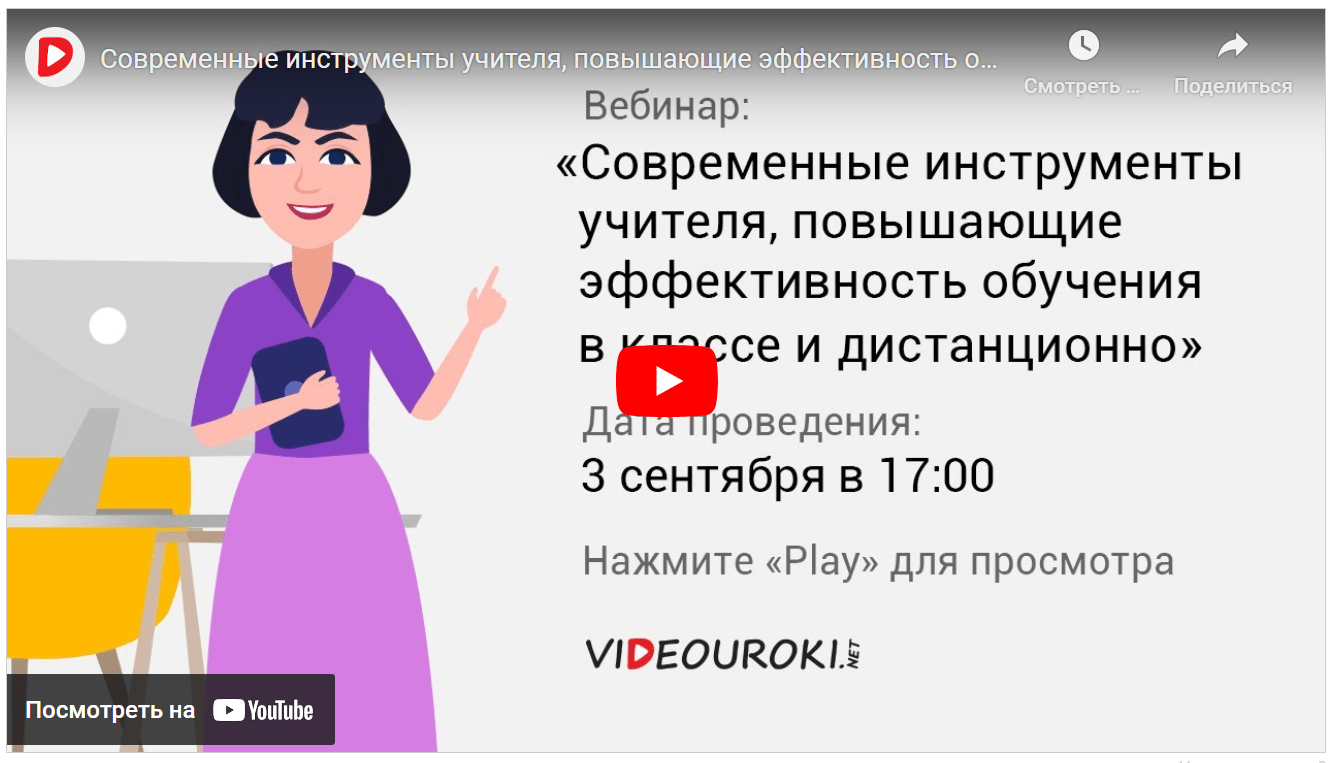
🎓 Свидетельство об участии ✨БЕСПЛАТНО!✨