


Россия, Обнинск


СДЕЛАЙТЕ СВОИ УРОКИ ЕЩЁ ЭФФЕКТИВНЕЕ, А ЖИЗНЬ СВОБОДНЕЕ
Благодаря готовым учебным материалам для работы в классе и дистанционно
Скидки до 50 % на комплекты
только до
Готовые ключевые этапы урока всегда будут у вас под рукой
Организационный момент
Проверка знаний
Объяснение материала
Закрепление изученного
Итоги урока

Была в сети 22.08.2023 20:59

Исмаилова Парвина Обиджоновна
учитель английского языка
 1 705
 42 798

Местоположение
Специализация
День Благодарения.
Категория:
Английский язык
07.01.2022 00:19

Просмотр содержимого документа
«День Благодарения.»
Урок по теме: «История Дня Благодарения» в 10 классе по блоку «Праздники».
Цели урока: Цель-совершенствование умений устной речи (диалогической) по теме «Праздники»
Образовательные цели: расширение лингвистического кругозора учащихся, расширение социо-культурных знаний о праздниках в Америке.
Развивающие цели: развитие языковых способностей учащихся, умения самостоятельной работы, творческого мышления, готовности к коммуникации.
Воспитательные цели: создание условий для формирования у учащихся любви и уважения к иноязычной культуре и истории, поддержание интереса к учению.
Оборудование:
- компьютерное обеспечение (Интернет, Интернет-ресурсы,
- проектор;
-экран; раздаточный материал;
Ход урока:
1.Вступительное слово учителя. (2 минуты)
T: Good morning students, I’m so happy to see you at the lesson. I believe you are happy to see me too.
Well, today you are having an unusual lesson. We have a lot of guests and I believe you’ll do your best in the classroom, will you? I wonder, why you so reserved? Let me help you relax little bit.
2.Этап. Актуализация знаний для изучения нового учебного материала. (5 мин)
T: Ребята, Попытайтесь расшифровать тему нашего урока. (в головоломке зашифровано «The history of Thanksgiving Look at the blackboard and find the topic of our discussion “THEGIVINGTHANKSHISTORYOF”
T: Thank you. That’s correct!
By the way, do you know the history of this holiday?
That’s O.K. that you don’t know it. We havеn't studied about the history of this holiday yet.
I have found a video film on the Internet about its history. Now let’s enjoy watching the film, try to understand the main idea and events of the film, before watching study the new words.
У: Мы не изучали углубленно историю происхождения Дня Благодарения в Америке. Видеофильм из Интернета поможет вам узнать историю этого праздника.
Просмотр видео про День Благодарения
T: Please, repeat the new words after me. Guess the meaning. (новая лексика вводится при помощи наглядности. Если учащиеся не понимают значение слова, учитель использует перевод или объяснение на английском языке)
Bountiful, abundant
Dried fruit-
Plums
Venison-
To be opposed
Community
To declare
Wampanoag
3. Этап предъявления нового материала. (3 минуты)
Контроль понимания. Исправь утверждения.( 4 минуты)
Учащиеся читают текст самостоятельно.
4 Организация тренировки. (8 минут)
In 1620, a boat the Mayflower filled with more than one hundred people sailed across the Atlantic Ocean to settle in the New World. This religious group wanted to escape religious persecution. The Pilgrims settled in Plymouth Rock, what is now the state of Massachusetts. Their first winter in the New World was very difficult. They had arrived too late to grow many crops, and without fresh food, half the colony died from disease. The following spring the Iroquois Indians taught them how to grow corn (maize), a new food for the colonists. They showed them other crops to grow in the unfamiliar soil and how to hunt and fish.
In the autumn of 1621, bountiful crops of corn, barley, beans and pumpkins were harvested. The colonists had much to be thankful for, so a feast was planned. They invited the local Indian chief and 90 Indians. The Indians brought deer to roast with the turkeys and other wild animals offered by the colonists. The colonists had learned how to cook cranberries and different kinds of corn and squash dishes from the Indians. To this first Thanksgiving, the Indians had even brought popcorn. The feast lasted three days.
This "thanksgiving" feast was not repeated the following year. Many years passed before the event was repeated. It wasn't until June of 1676 that another Day of thanksgiving was proclaimed.
A hundred years later, in October of 1777 all 13 colonies joined in a thanksgiving celebration. It also commemorated the patriotic victory over the British at Saratoga. But it was a one-time affair.
George Washington proclaimed a National Day of Thanksgiving in 1789, although some were opposed to it. President Thomas Jefferson opposed the idea of having a day of thanksgiving.
In 1863, President Lincoln proclaimed the last Thursday in November as a national day of Thanksgiving.
In 1941, Thanksgiving was finally sanctioned by Congress as a legal holiday, as the fourth Thursday in November»
(Даны новые лексические единицы к тексту):
Persecution гонения
Bountiful-большой
Barley-ячмень
Harvest- урожай
Cranberries-
squashdishes-блюдаизкабачков.
После работы над текстом учащиеся заполняют таблицу, работая в группах (6 минут)
Who
What
When
Why (the reason)
What happened
Historical events
Modern time
Statements “True or False” Компьютерная презентация. Слайд №3.
1. The first winter killed half of the Pilgrims.
2. Native Indians taught The Pilgrims (Colonists) how to cook.
3. The Pilgrims could survive the harsh winter without the Indians.
4. By autumn of 1621 colonists had collected enough food to feed the community.
5. The Pilgrims’ first Thanksgiving feast lasted four days.
6. American colonists didn’t invite the Indians to celebrate their first harvest.
T: Thank you. You are right.
Учащимся дается ситуация, из которой дети должны найти выход и обьяснить.
5 Этап. Организация применения. (10 мин)
Учащиеся придумывают своё блюдо, пишут на стикерах по одному ингредиенту, входящий в состав этого блюда. Затем клеят на тарелку и называют это блюдо.
Затем все вместе по отдельности голосуют за лучшее блюдо для Дня Благодарения.
Ладошки.
На ладошках написать –За что вы благодарны. I’m thankful for….\ I’d like to thank….
Затем ученики клеят на ватман свои ладошки.
Описание.
Учащиеся описывают картинки касающиеся Дня Благодарения.
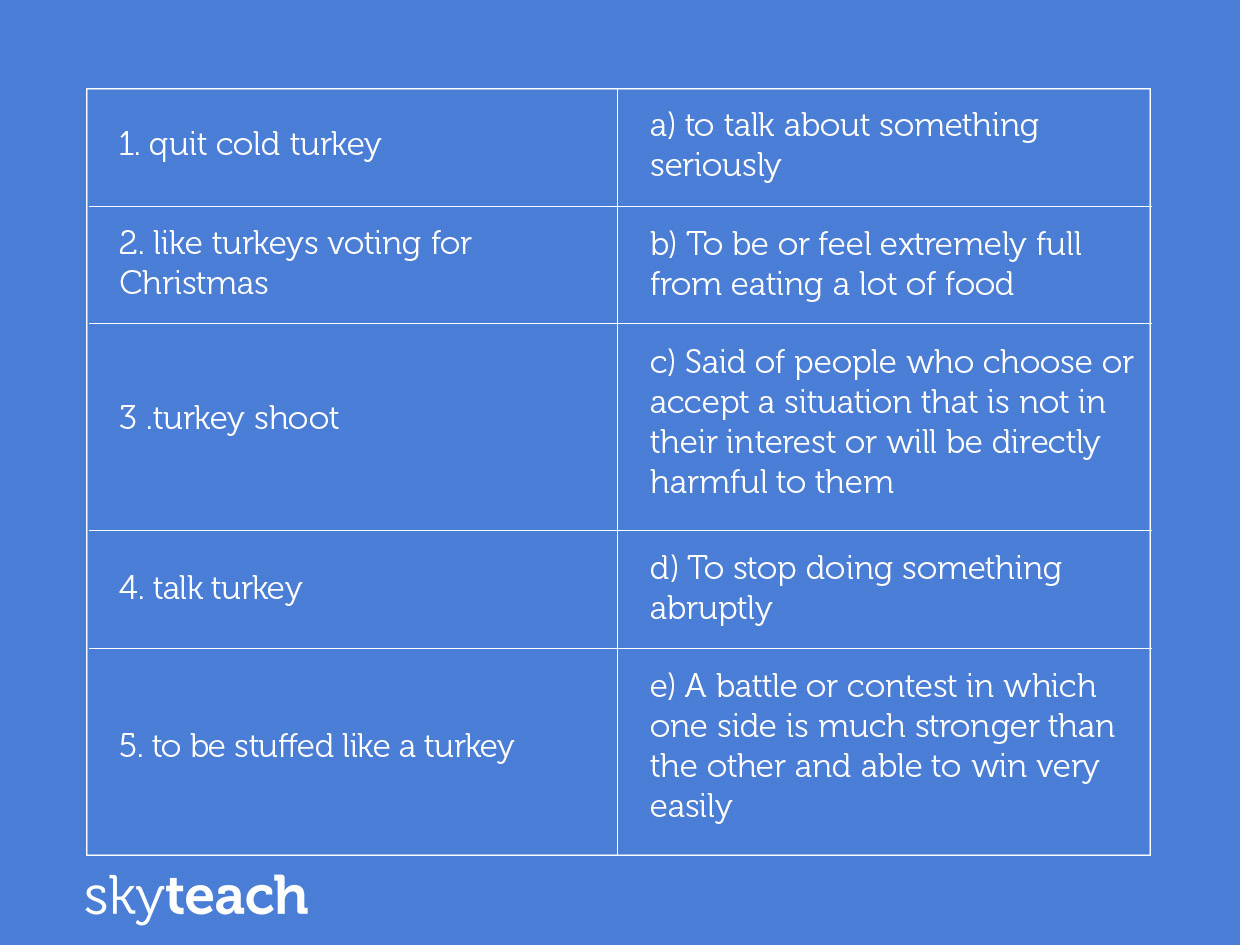
Сопоставление.
Сопоставить идиомы с их значениями о Дне Благодарения.
6. Домашнее задание:( 2 минуты)
-пересказ о происхождении Дня Благодарения.





Вебинар для учителей

🎓 Свидетельство об участии ✨БЕСПЛАТНО!✨



